

From Opulence to Experience
For decades, the playbook for luxury real estate in India was straightforward: a prime address, a large square footage, and a lobby adorned with chandeliers and Italian marble. Developers competed on visible opulence, and amenities were often limited
to a standard gym and swimming pool. This approach catered to a generation for whom a luxury home was primarily a status symbol. However, the modern affluent Indian is no longer impressed by grandeur alone. The post-pandemic world, coupled with global exposure and hybrid work models, has fundamentally altered expectations. Today's buyers are investing in a holistic living experience rather than just a physical asset, forcing developers to rethink their entire strategy.
Wellness as the New Wealth
The single biggest shift in developer priorities is the focus on wellness. Affluent homebuyers are increasingly willing to pay a premium for properties that promote physical and mental well-being. Developers are moving beyond basic gyms to create comprehensive wellness hubs. These now include dedicated yoga and meditation zones, spa and sauna facilities, temperature-controlled pools, and even on-site therapy rooms. The focus extends indoors, with an emphasis on features that enhance the living environment, such as advanced air and water purification systems, biophilic design that incorporates nature, and layouts that maximize natural light and ventilation. The home is no longer just a place to live, but a sanctuary for health and rejuvenation.
Sustainability Becomes a Standard
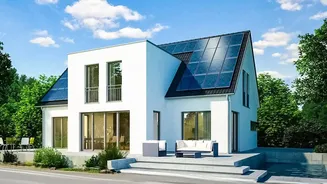
Eco-consciousness is no longer a niche interest; it's a core expectation in the luxury segment. Developers are finding that green building certifications like LEED (Leadership in Energy and Environmental Design) or IGBC (Indian Green Building Council) are powerful selling points. These certifications are guarantees of energy and water efficiency, leading to lower utility bills and a healthier indoor environment. As a result, new luxury projects are increasingly integrating features like rainwater harvesting, solar panels, waste recycling plants, and the use of sustainable, non-toxic building materials. For today's buyer, sustainability is not just about environmental responsibility but also about long-term value and aligning with global standards of responsible luxury.
The Demand for Smart, Private Spaces
The rise of remote and hybrid work has made the home a multifunctional space for work, family, and leisure. This has created an urgent demand for larger homes with flexible layouts and dedicated home offices. Privacy has also become a top priority, leading to a preference for low-density developments over crowded towers. Alongside space, technology is now a given. Nearly 75% of luxury homebuyers expect advanced smart home features. Developers are responding by making integrated home automation a standard offering. This includes app-controlled lighting and climate, biometric security, video doorbells, and EV charging stations in parking areas, ensuring convenience and security are built-in.
Curated Lifestyles and Branded Residences
Another emerging trend is the focus on providing a curated lifestyle and sense of community. Developers are now offering hotel-style services like concierge desks, valet parking, and even arrangements for private chefs. Community spaces are also being reimagined to include co-working lounges, private cinemas, rooftop gardens, and entertainment zones that encourage social interaction. This has fueled the growth of branded residences, where real estate developers partner with luxury hospitality brands to offer a fully serviced living experience. These developments promise not just a well-appointed home, but a complete ecosystem of convenience, community, and exclusive services, reflecting the ultimate shift from owning a property to buying into a lifestyle.