



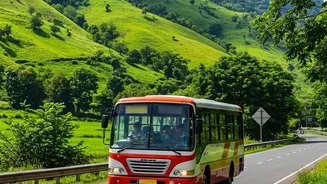
The Journey Becomes the Destination
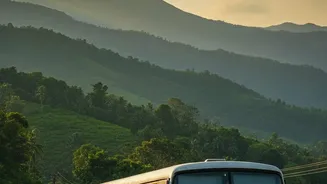
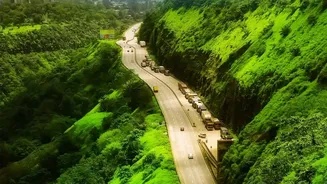
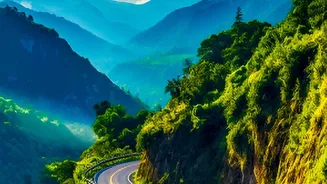
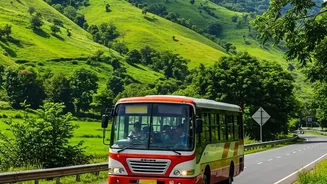
The very nature of driving in the Western Ghats encourages a slower, more deliberate pace. Unlike arrow-straight expressways, the routes here are a series of ghat roads, hairpin bends, and narrow lanes that demand your full attention. This isn't a landscape
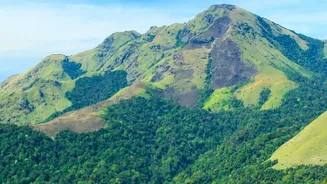
you rush through; it's one you absorb. A drive from Pollachi to Valparai in Tamil Nadu, for instance, involves navigating 40 hairpin bends, each revealing a new, breathtaking vista of the Anamalai Hills. This forced deceleration is the first step towards mindful travel. It shifts the focus from merely reaching a destination to savouring the moments in between—stopping for a cascading monsoon waterfall in Amboli Ghat, pulling over to watch the mist roll into the valleys of Chorla Ghat, or simply pausing to breathe in the crisp, clean air.
A Living Library of Biodiversity
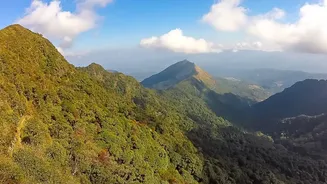
A road trip here is a journey through one of the planet's eight 'hottest hotspots' of biological diversity. Recognized as a UNESCO World Heritage Site, the Western Ghats are a treasure trove of life, home to thousands of species of plants, birds, amphibians, and mammals, many of which are found nowhere else on Earth. Driving through this region means you are travelling within a living, breathing ecosystem. You might spot the endangered Nilgiri Tahr near Valparai, catch a glimpse of an elephant herd in Mudumalai, or see the vibrant Malabar gliding frog. This proximity to nature is a powerful tool for mindfulness. An eco-conscious traveller can appreciate that their journey is through vital conservation areas like the Periyar Tiger Reserve in Kerala or the Anaimalai Tiger Reserve in Tamil Nadu, fostering a deeper connection to the environment.
Offbeat Paths and Conscious Stays
The Ghats excel at hiding their best secrets from the main tourist trail. An offbeat trip means choosing the road less travelled, like the route through Agumbe in Karnataka, known as the 'Cherrapunji of the South' for its heavy rainfall and dense rainforests. These routes lead to authentic experiences and accommodations that align with an eco-conscious mindset. Instead of commercial hotels, the region is dotted with sustainable farm stays, heritage bungalows, and eco-lodges that are deeply integrated with their surroundings. You can stay in a restored 1905 bungalow in the Nilgiris, a farmstead in Coorg that runs on organic principles, or an eco-resort in Wayanad built with rammed earth and other natural materials. These stays not only minimize your environmental footprint but also offer immersive experiences like participating in organic farming, learning about local conservation, or simply enjoying meals made from locally sourced produce.
Three Routes for the Mindful Traveller
1. The Plantation & Rainforest Route (Tamil Nadu & Kerala): Start from Pollachi and ascend the 40 hairpin bends to Valparai, surrounded by tea estates. From there, continue through dense forests to the majestic Athirapally Falls in Kerala.
This route combines stunning mountain scenery with the chance to see wildlife and stay in plantation bungalows.
2. The Coffee & Culture Route (Karnataka): Explore the Malnad region, starting from Hassan. Visit the Hoysala temples at Belur and Halebeed before driving through the coffee estates of Chikmagalur and the dense greenery of Kudremukh National Park towards Sringeri, a serene temple town.
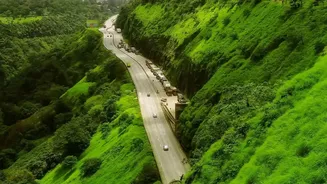
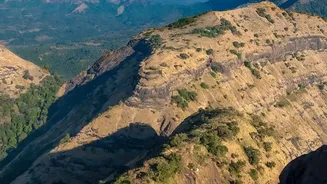
3. The Monsoon Magic Route (Maharashtra): During the rains, the Malshej Ghat comes alive. The drive from Mumbai or Pune is relatively short but packed with waterfalls gushing onto the highway itself, misty cliffs, and panoramic views of the Sahyadri range. It's an ideal weekend trip for embracing the dramatic beauty of the monsoon.