





Nature’s Living Wall
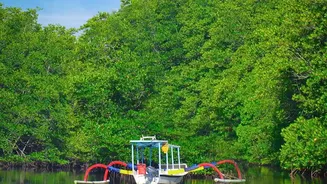
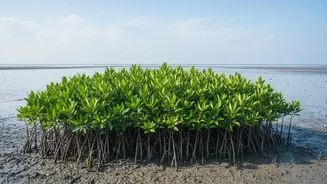
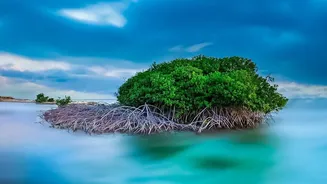
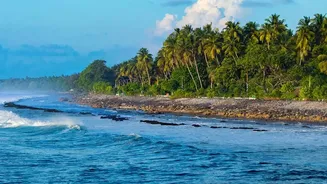
Mangroves are more than just coastal forests; they are a living, breathing bio-shield. Their dense, tangled root systems anchor the shoreline, acting as a natural barrier that dissipates the immense energy of waves and tidal surges. Studies have shown
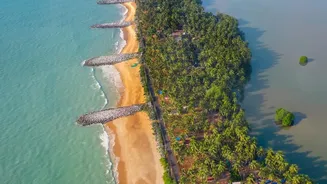
that a healthy mangrove forest can significantly reduce wave height and slow down the speed of storm-driven water, preventing widespread flooding and erosion. During catastrophic events like the 2004 Indian Ocean tsunami, villages shielded by intact mangrove forests, such as those near Pichavaram in Tamil Nadu, suffered demonstrably less damage than exposed neighbouring areas. This natural defence system not only saves lives and property but does so while sustaining the local environment.
Community-Led Restoration on the Frontlines
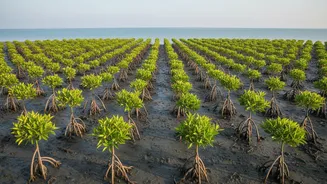
The success of these bio-shields is not just a story about trees, but about people. Across states like Odisha, Andhra Pradesh, and Tamil Nadu, community-led initiatives are at the heart of mangrove revival. Organisations like the M. S. Swaminathan Research Foundation (MSSRF) have been working for decades to empower coastal communities, particularly women, to take the lead in conservation. These programs train villagers in everything from raising saplings in nurseries to planting them along degraded coastlines and digging channels to restore vital tidal flows. In the Sundarbans, a region frequently battered by cyclones, thousands of women organised into groups have restored vast tracts of coastline, creating green embankments that have proven their worth during recent storms like Cyclone Amphan.
Beyond Protection: A Boost for Livelihoods
The benefits of mangrove restoration extend far beyond disaster mitigation. These unique ecosystems are critical breeding and nursery grounds for a wide variety of fish, crabs, and prawns. For fishing communities, a healthier mangrove forest means more abundant catches and greater economic security. Furthermore, these projects create direct employment opportunities in nursery management and planting. Some initiatives are even pioneering innovative models like integrated mangrove-fishery farming systems, which combine conservation with sustainable aquaculture, providing a dual income stream for local families. This holistic approach links the ecological security of the coast directly to the livelihood security of its people, creating a powerful incentive for long-term stewardship.
The Path to a Resilient Coast
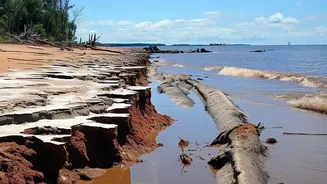
Despite the clear successes, challenges remain. Mangrove ecosystems are still threatened by pollution, land conversion for aquaculture and agriculture, and changes in freshwater flow. The long-term success of these bio-shield programs depends on sustained effort, supportive government policies, and continued community involvement. Programs like India's MISHTI (Mangrove Initiative for Shoreline Habitats & Tangible Incomes) signal a growing recognition at the national level of the importance of these ecosystems. By investing in these nature-based solutions, India is not just planting trees; it is building a more resilient future for its coastal populations, proving that sometimes the best defence is a living one.