






The Trouble with Just Counting Calories
For decades, the mantra for weight management has been 'calories in, calories out'. While this is a fundamental principle of energy balance, focusing solely on the numbers can be misleading and unsustainable. A 100-calorie snack of sugary biscuits affects
your body very differently than 100 calories of almonds. The former can lead to a quick energy spike and crash, leaving you hungry for more, while the latter provides sustained energy and nutrients. Strict calorie counting often ignores the quality of food, turning eating into a stressful maths problem rather than a nourishing experience. This obsession can lead to a poor relationship with food and ignores crucial factors like hormonal responses, nutrient density, and satiety – how full and satisfied a food makes you feel.
Enter Fibre: The Satiety Superstar
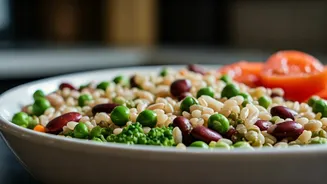
This is where dietary fibre shines. Fibre is a type of carbohydrate that the body can't digest. Instead of being broken down for energy, it passes through your system, working its magic along the way. There are two main types: soluble and insoluble. Soluble fibre dissolves in water to form a gel-like substance in your stomach. This gel slows down digestion, which is the key to why high-fibre foods are so filling. When you eat a meal rich in fibre, like a bowl of dal and brown rice, you feel fuller for longer. This natural appetite regulation means you are less likely to overeat or reach for unhealthy snacks between meals, effectively helping you manage your calorie intake without ever having to count them.
More Than Just Feeling Full
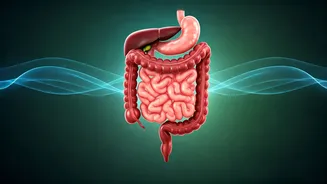
The benefits of fibre go far beyond just keeping you full. This powerhouse nutrient is crucial for digestive health, acting as a 'prebiotic' that feeds the beneficial bacteria in your gut. A healthy gut microbiome is linked to everything from a stronger immune system and better mood to more efficient metabolism and weight regulation. Furthermore, fibre, particularly the soluble kind, plays a vital role in stabilising blood sugar levels. By slowing the absorption of sugar into the bloodstream, it prevents the sharp spikes and subsequent crashes in energy that trigger cravings for more sugary or processed foods. This stable energy supply not only helps you feel better throughout the day but also breaks the cycle of craving and overconsumption that often sabotages weight management goals.
The Mindset Shift: Adding, Not Subtracting
Perhaps the most powerful aspect of a fibre-focused approach is the psychological shift it creates. Instead of obsessing over what to restrict or remove from your diet, the goal becomes to *add* more beneficial foods. This positive and abundant mindset is far more enjoyable and sustainable than a restrictive one. You start looking for opportunities to incorporate more fibre, rather than punishing yourself for eating a 'high-calorie' food. This simple change transforms your relationship with eating from one of deprivation to one of nourishment. You start prioritising whole, unprocessed foods naturally, because that's where the fibre is.
How to Easily Boost Your Fibre Intake
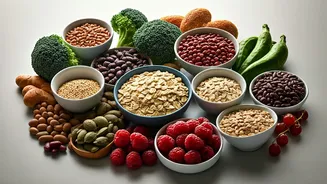
Increasing your fibre intake doesn't require a radical diet overhaul. It's about making simple, intelligent swaps. Start your day with oats or a millet-based porridge instead of processed cereal. Choose whole wheat rotis over refined flour versions. Ensure every lunch and dinner includes a generous portion of dal, legumes like chickpeas (chana) or kidney beans (rajma), and a colourful variety of seasonal vegetables. Snack on fruits like apples, guavas, and pears (with the skin on), or a handful of nuts and seeds. By focusing on adding these foods, you'll naturally crowd out the less nutritious, low-fibre options, improving your overall diet quality without the mental fatigue of tracking every single calorie.