

The 'Use-First' Mindset
The core of this strategy is creating a dedicated, visible space in your refrigerator for items that need to be eaten soon. This isn't just about organisation; it's a mental shift. Instead of asking, "What do I feel like eating?" you start by asking, "What needs
to be used up first?" This simple change in perspective is the key to reducing waste and ensuring the food you buy actually gets eaten. An 'eat first' bin serves as a visual reminder, guiding your meal prep and snacking choices before anything gets lost in the back of a drawer.
Identify Your Delicate Produce
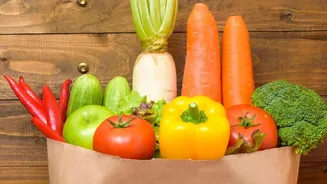
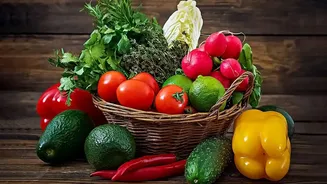
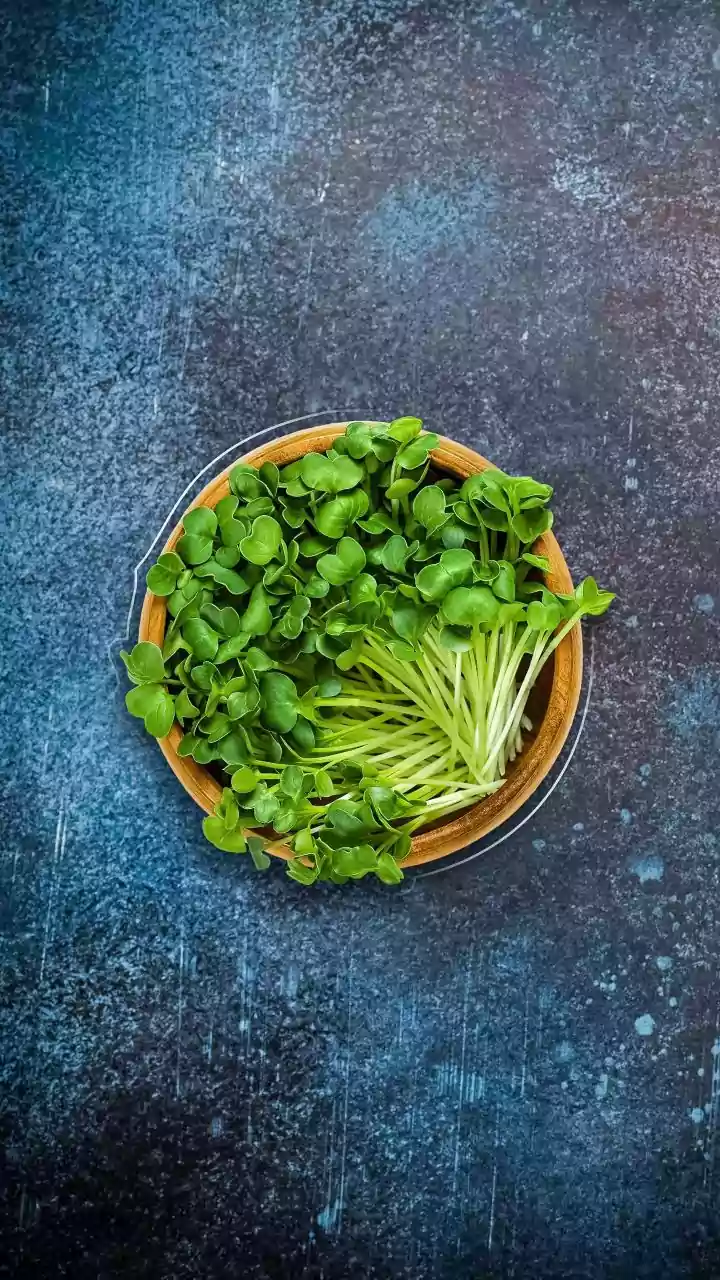
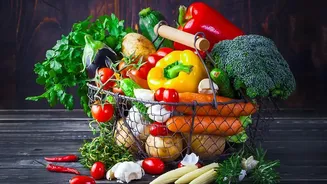
Not all vegetables are created equal in terms of shelf life. Some are far more fragile than others. Leafy greens like spinach (palak), fenugreek (methi), and coriander (dhania) are famously quick to wilt. Similarly, mushrooms, berries, broccoli, and corn should be used within a day or two of purchase. Other items that belong in this high-priority category include fresh herbs like curry leaves, ripe tomatoes that have turned soft, and avocados. Hardy root vegetables like potatoes, carrots, and gourds can wait, but these delicate items are your top priority.
Create Your 'Use-First' Box
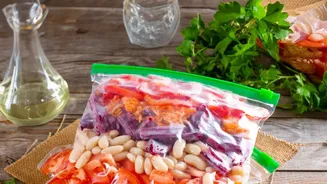
Designating a 'use-first' zone is straightforward. Choose a clear container or simply dedicate a specific, eye-level shelf in your fridge. This should be the first thing you see when you open the door. This box is not just for delicate vegetables. It's also the perfect home for leftovers, half-used onions or lemons, open packets of paneer, or a carton of milk nearing its expiry date. Using a clear, labelled bin helps you see exactly what you have at a glance, taking the guesswork out of what needs immediate attention.
Plan Meals Around the Box
Once your box is established, let it dictate the start of your weekly meal plan. If you have coriander, methi, and tomatoes, your first day’s meals could be a dal with methi, a fresh tomato-coriander chutney for your rotis, and a simple tomato salad. Those mushrooms can become a quick stir-fry or omelette for breakfast the next day. The goal is to empty the 'use-first' box within the first few days after your grocery trip. This ensures you consume the most perishable items at their peak freshness, leaving the longer-lasting produce for later in the week.
Store Everything Else for Longevity
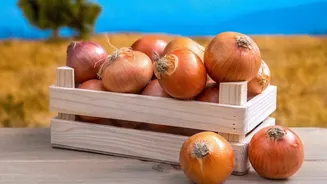
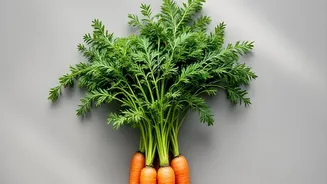
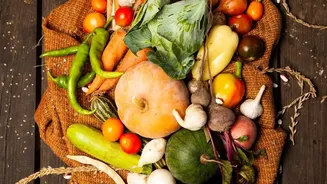
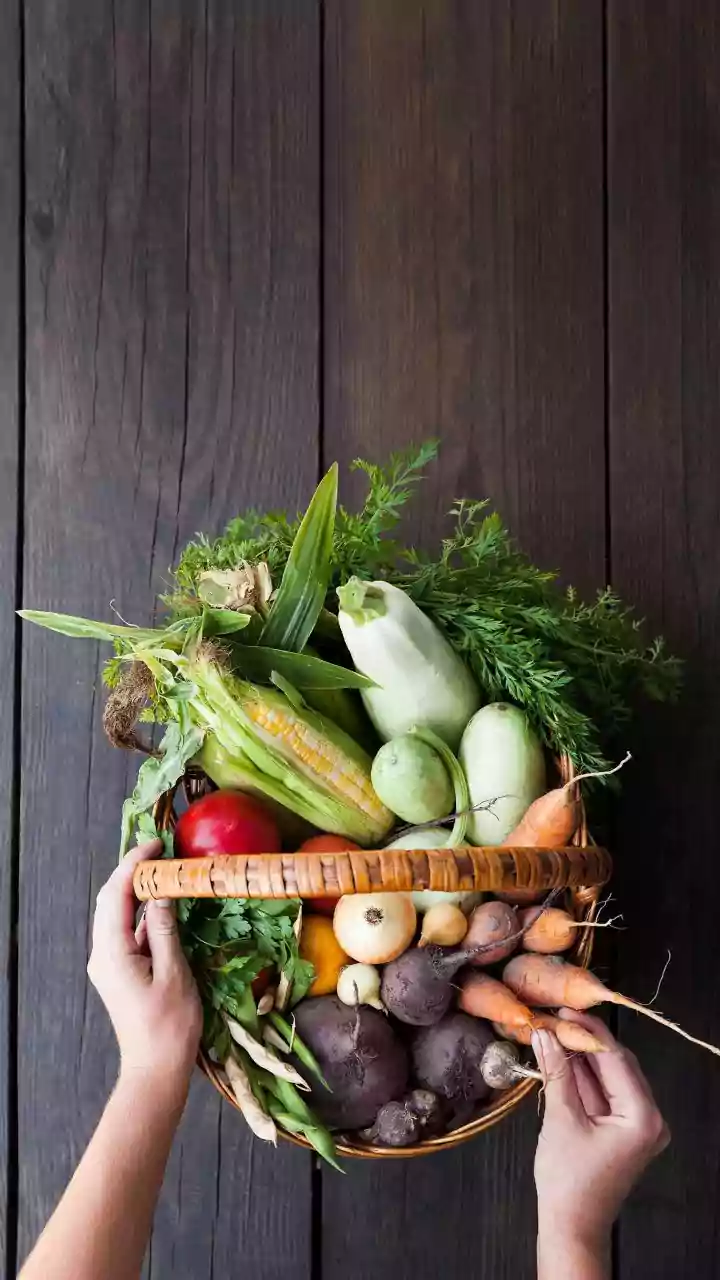
While your delicate items get prime real estate, proper storage of hardier vegetables is also crucial. Keep root vegetables like carrots and beets in the crisper drawer. Potatoes, onions, and garlic should be stored in a cool, dark, and dry place outside the fridge, but keep them separate, as onions can cause potatoes to sprout. For leafy greens that don't fit in the 'use-first' box, you can extend their life by wrapping them loosely in a damp cloth or paper towel before placing them in the fridge. This two-tiered approach ensures that both your immediate-use and longer-term produce are kept in optimal conditions.