








Harness the Power of Hyper-Local Weather Tech
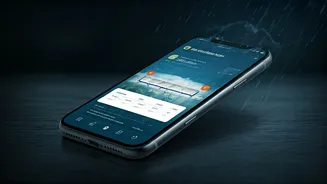
The default weather app on your phone is fine for deciding if you need a jacket, but for travel, you need to upgrade your intelligence. Modern weather apps provide a level of granular detail that can transform your planning. Apps like AccuWeather and
The Weather Channel offer hyperlocal, minute-by-minute precipitation forecasts, allowing you to find a two-hour rain-free window for that walk you wanted to take. Many travellers also swear by apps with advanced radar maps, which let you visually track a storm’s path and speed, helping you decide whether to wait it out or move to a different part of town. Set up custom alerts for your destination before you even leave home. Getting a notification about incoming rain or high winds an hour in advance gives you precious time to pivot, turning a potential disaster into a minor inconvenience. This isn't about predicting the weather a week out; it's about making smart, informed decisions in real-time on the ground.
Become a Flexible Booking Expert
One of the most significant shifts in the travel industry, accelerated by the pandemic, has been the rise of flexible booking options. Gone are the days of being locked into non-refundable rates with no recourse. Today, savvy travellers prioritise flexibility above all else. When booking hotels or stays, use the “free cancellation” filter religiously. This allows you to cancel or change your booking, sometimes up to the day before arrival, giving you an escape route if a major weather system is forecast to hit. For flights, while the cheapest basic economy fares are still restrictive, many standard economy and premium tickets now offer free changes (you may have to pay the fare difference). The key is to read the fine print *before* you click “purchase.” For rental cars and major tours, booking directly with the provider often yields more lenient cancellation policies than going through a third-party aggregator. This flexibility is your greatest defence against a ruined trip.
Demystify Your Travel Insurance
Travel insurance can feel like a complex, jargon-filled maze, but understanding two key concepts can save your holiday. First is 'Trip Interruption'. This is different from trip cancellation. If a severe weather event, like a cyclone or blizzard, forces you to cut your trip short or causes you to miss a prepaid, non-refundable tour, this coverage can reimburse you for the unused portion of your trip. Second, and most powerfully, is the 'Cancel For Any Reason' (CFAR) add-on. This is a premium upgrade, but it provides the ultimate safety net. While standard policies only cover specific, named perils, CFAR allows you to cancel your trip for literally any reason—including a bad weather forecast—and get a significant portion of your non-refundable costs back (typically 50-75%). It costs more, but for a big-ticket, once-in-a-lifetime trip, the peace of mind can be invaluable. Don't just buy the first policy you see; compare options and understand exactly what is and isn't covered when it comes to weather.
Always Have a 'Rainy Day' Plan
The best way to beat bad weather is to be prepared for it. Before you travel, spend an hour researching fantastic indoor activities at your destination. This isn't about planning a pessimistic trip; it's about building a robust one. Create a separate list in your notes app for 'Plan B.' What are the city's best museums or art galleries? Is there a famous indoor market? Are there any quirky independent cinemas, cosy bookstores with cafes, or even fun cooking classes you could join? Having a pre-vetted list of exciting alternatives means a rainy day doesn't send you into a panic, endlessly scrolling your phone for something to do. Instead, you can simply pivot. A cancelled beach day can become an amazing culinary adventure. A rained-out hike can become a fascinating afternoon exploring local history in a museum. This simple preparation turns a potential holiday-killer into a mere change of plans.
Adopt an Adventurous Mindset
Ultimately, the most powerful tool is your own perspective. A rigid itinerary is brittle; it shatters the moment something goes wrong. A flexible mindset, however, turns challenges into opportunities. A sudden downpour isn't a failure; it's a cue from the universe to duck into that tiny, crowded local eatery you would have otherwise walked past, where you might have the best meal of your trip. A fogged-in viewpoint is a chance to drive down the mountain and discover a charming village that wasn't in your guidebook. Travel is, at its heart, about discovery and adapting to the unknown. By embracing weather changes as part of the adventure, you free yourself from the anxiety of a perfectly executed plan. The most memorable travel stories often don't come from things going exactly right, but from the spontaneous detours you take when they go a little bit wrong.