




The Cardio Conundrum
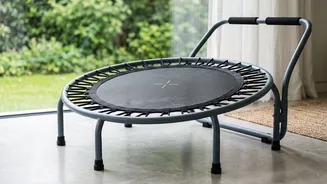
When it comes to cardiovascular exercise, the goal is to elevate your heart rate and sustain it. This strengthens your heart muscle, improves circulation, and boosts overall endurance. Both traditional aerobics and trampolining (also known as rebounding)
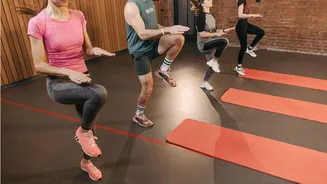
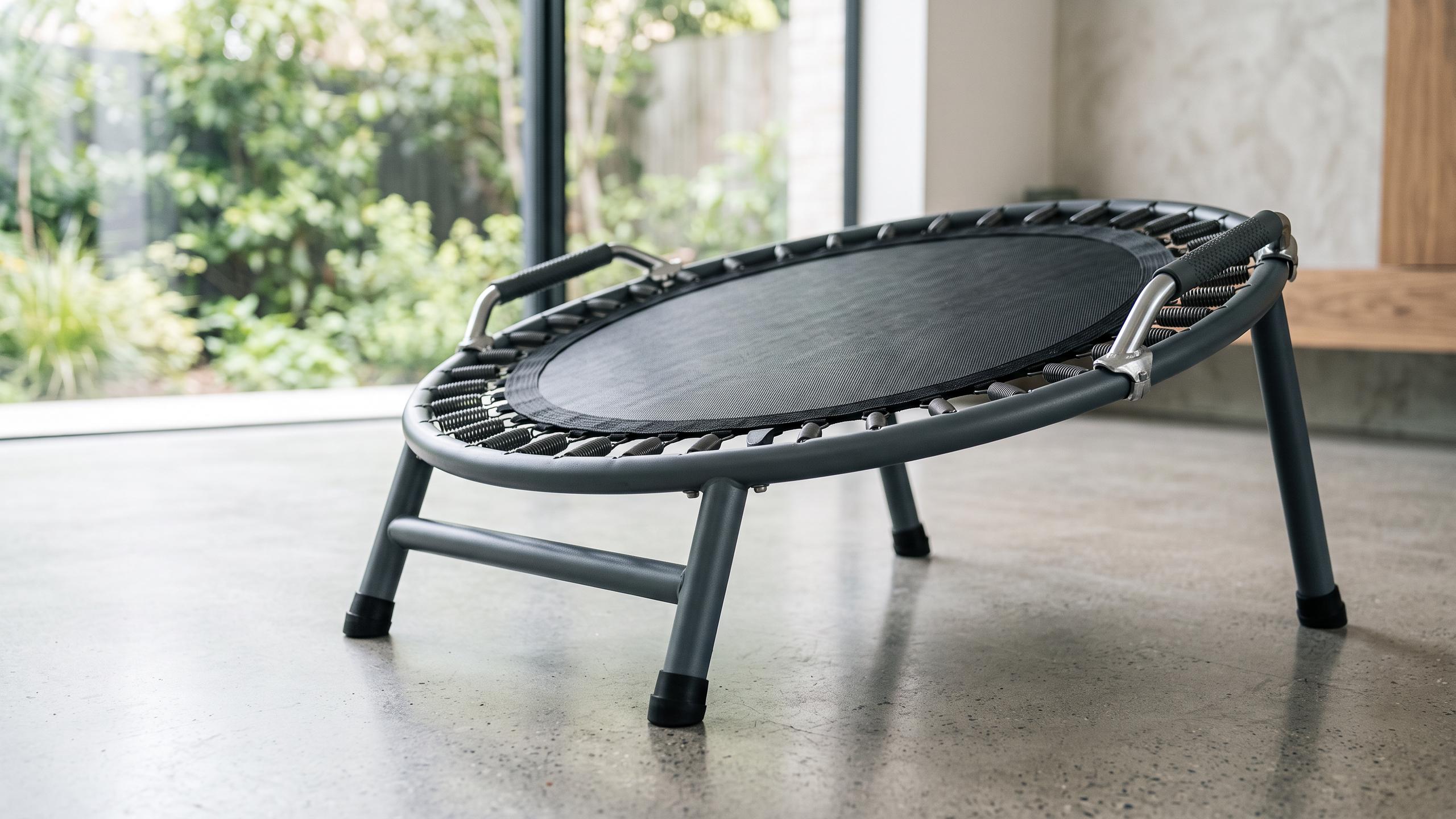
are fantastic ways to achieve this. Aerobics, with its choreographed steps and high-energy music, has been a fitness staple for decades. Trampolining, performed on a mini-trampoline or 'rebounder', offers a bouncy, dynamic alternative that many find less like a workout and more like play. But to see real benefits from either, you need to put in the work.
Joint Impact: The Great Divide
Perhaps the most significant difference between the two lies in how they treat your joints. High-impact aerobics, which involves running, jumping, and hopping on a hard surface, can be stressful on the knees, ankles, and hips. While effective, this can be a barrier for those with existing joint pain or anyone looking for a more sustainable, long-term routine. Trampolining is the clear winner for joint health. The flexible surface of the rebounder absorbs the majority of the impact — some studies suggest up to 80% — protecting your body from the jarring force of each landing. This makes it an excellent, safe choice for people of all ages and fitness levels, including those concerned about joint strain.
Calorie Burn and Heart Health
Both activities provide a stellar cardiovascular workout, but the calorie burn depends entirely on your effort. A high-intensity aerobics class can burn upwards of 500-600 calories an hour. Similarly, vigorous rebounding can burn a comparable amount. Some research, including a well-known 1980 NASA study, found that rebounding can be a highly efficient form of exercise, potentially offering greater cardiovascular benefits in less time than jogging. The key takeaway is that intensity matters more than the specific activity. A half-hearted aerobics class will be less effective than an intense trampoline session, and vice versa. Pushing yourself to a moderate or vigorous heart rate is what delivers results in either discipline.
Beyond Cardio: Other Health Perks
Your workout should do more than just get your heart pumping. Trampolining shines here with unique benefits. The unstable surface forces you to constantly engage your core and stabilizer muscles to maintain balance, improving coordination and strength. Furthermore, the vertical bouncing motion is celebrated for stimulating the lymphatic system, which helps your body flush out toxins and waste. Aerobics, especially dance-based routines, also enhances coordination and rhythm. Structured classes often incorporate movements that specifically target and tone major muscle groups in the legs, glutes, and core, providing a well-rounded workout.
Effort, Consistency, and the Fun Factor
This brings us to the core of the issue: effort and consistency. The 'best' workout is the one you will actually do regularly and with enough intensity to challenge yourself. This is where personal preference is paramount. Do you thrive in a social, high-energy class environment with a motivating instructor and loud music? Aerobics might be your perfect match. Do you prefer a playful, solo workout you can do at home anytime? A rebounder could be your new best friend. Many people find the sheer joy of bouncing makes trampolining feel less like a chore, leading to greater long-term adherence. Ultimately, if you don't enjoy your workout, you won't stick with it, and consistency is the true secret to achieving any fitness goal.