







More Than Just Muddy Roads
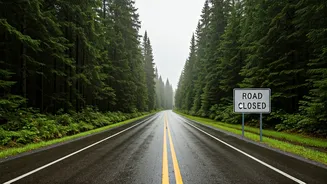
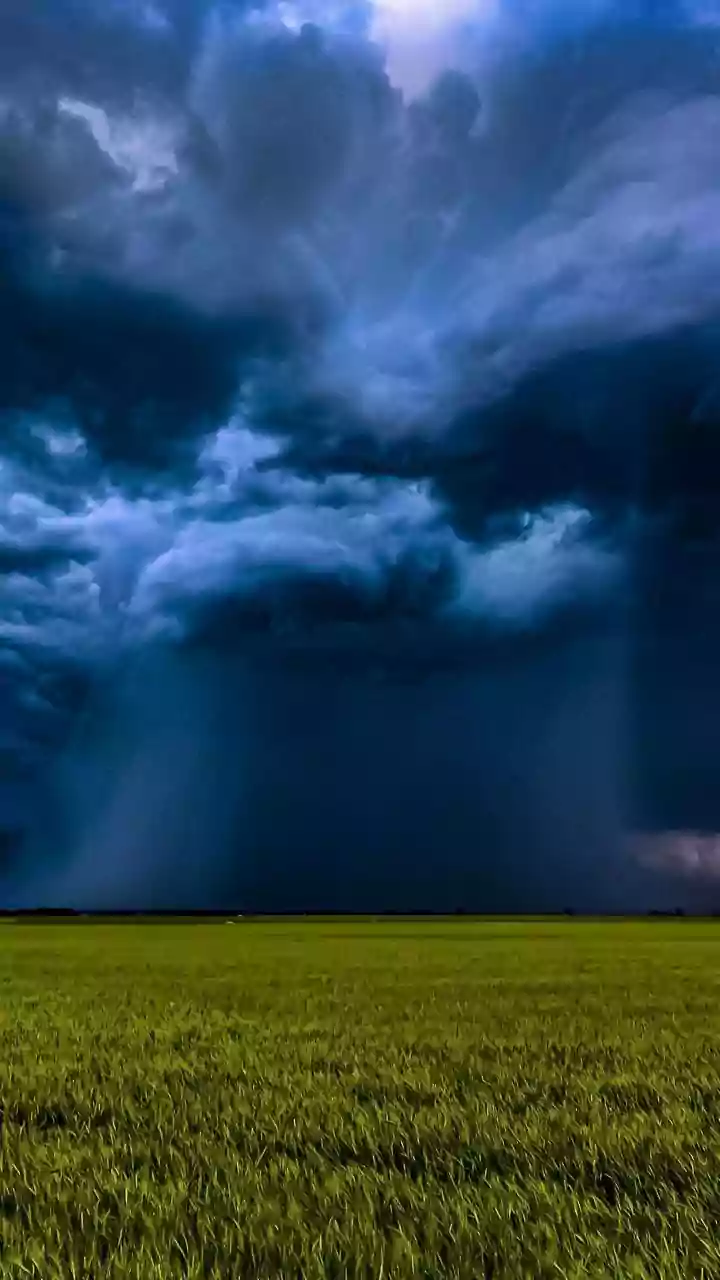
The most visible reason for shutting national parks during the monsoon is logistical. Heavy and persistent rains, which drench most of the subcontinent from June to September, turn the dirt tracks used for safaris into impassable slush pits. Rivers and streams
swell, sometimes flooding entire sections of the forest and making travel extremely hazardous for both tourists and park staff. The risk of safari vehicles getting stranded is high, and the lush, dense undergrowth that springs up reduces visibility, increasing the chances of dangerous, surprise encounters with wildlife. For the safety of visitors and staff, closing the parks is the most sensible operational decision. However, these practical challenges are only part of the story.
A Time for Privacy and Procreation
A far more critical reason for the closure is that the monsoon is the principal breeding season for a vast array of wildlife. While tigers can mate year-round, activity often peaks at different times, and the rainy season provides an ideal, undisturbed environment for many species to court, mate, and raise their young. The forest becomes a nursery. With vehicle traffic and human presence removed, animals are less stressed and can engage in natural behaviours essential for the propagation of their species. The National Tiger Conservation Authority (NTCA) has explicitly cited the breeding period as a key factor in its guidelines recommending the closure of reserves for a minimum of three months. This quiet period ensures that mothers can care for their vulnerable newborns in peace, a crucial factor in helping populations grow.
Letting the Forest Heal
The monsoon is nature's reset button. After the scorching heat of the Indian summer, the rains bring a dramatic transformation. The parched forest floor is replenished, and a vibrant green canopy quickly emerges. This period of rejuvenation is vital for the health of the entire ecosystem. The closure allows the flora to regenerate without the pressure of constant vehicle movement, which can compact soil and damage delicate vegetation. This natural revival ensures a plentiful supply of food for herbivores, which in turn supports the predator population, including tigers. The break also gives park authorities an opportunity to carry out essential maintenance on trails, bridges, and other infrastructure, ensuring everything is ready and safe for when tourists return.
A Mandated Conservation Strategy
The decision to close parks is not arbitrary; it is a formal conservation policy. The NTCA, the governing body for tiger conservation in India, has long advised a seasonal shutdown to protect wildlife and their habitats. While states have some discretion based on local conditions, the core zones of most major tiger reserves—such as Corbett, Ranthambore, Kanha, and Bandhavgarh—adhere to this closure from roughly July to September. Interestingly, some buffer zones or specific gates of these parks may remain open for tourism, offering a different, though limited, monsoon wildlife experience. This regulated approach also helps curb poaching, as the monsoon can be a vulnerable time when illegal activities increase under the cover of bad weather and inaccessibility. The focus of forest staff can shift entirely to protection and surveillance during these critical months.