






From Hand-Me-Downs to High Fashion
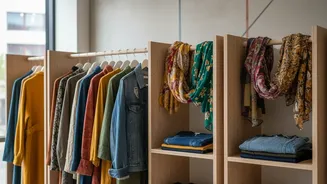
Thrifting in India is undergoing a major rebranding. What was once associated with necessity or dusty flea markets is now a conscious, stylish choice led by Gen Z and millennials. Forget the stigma; today’s thrifting is about curated collections, vintage
gems, and a definitive move away from the mass-produced uniformity of fast fashion. It's no longer just about saving money, though affordability is a key factor for students and young professionals. It’s a culture driven by a desire for sustainability, individuality, and a deeper connection to the clothes we wear.
The Instagram-Powered Marketplace
Social media, particularly Instagram, has become the backbone of India's thrift economy. The platform has transformed how pre-loved clothing is discovered and sold, creating a vibrant digital-first movement. Entrepreneurs, often young people themselves, curate and sell clothing through 'drops'—timed releases of new collections that often sell out within minutes. This online ecosystem has made thrifting accessible, turning it into a trend everyone can participate in. The process is simple: follow a store, wait for a drop, and be the first to comment or DM to secure a unique piece.
A Statement of Sustainability
For many young Indians, thrifting is a form of activism. The fast-fashion industry is a major contributor to global carbon emissions, water pollution, and textile waste. With India generating thousands of kilotons of textile waste annually, shoppers are becoming acutely aware of their environmental footprint. Choosing second-hand is a direct way to participate in the circular economy, extending a garment's life and reducing the demand for new production. This conscious choice reflects a broader generational shift towards mindful consumption and a rejection of the 'take-make-dispose' model.
The Quest for Individuality
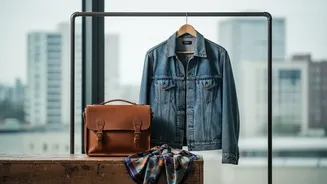
In a world saturated with fast-fashion clones, thrifting offers an antidote: uniqueness. A major driver for this trend is the desire to build a personal style that stands out. Thrift stores are treasure troves of rare denim, retro graphic tees, and one-of-a-kind vintage pieces that ensure you won't bump into someone with the same outfit. This isn't just about clothes; it's about self-expression. Each pre-loved item has a history, adding a layer of storytelling and authenticity to a wardrobe that mass-market retail simply cannot replicate.
Challenges on the Circular Path
Despite its rapid growth, the Indian thrift market is not without its hurdles. The industry is highly fragmented, with a lack of standardized quality control, sizing, and regulation. While online stores have boomed, offline thrifting can still be a disorganized experience, and sellers face challenges like supply inconsistency and the risk of counterfeit goods. Furthermore, some societal stigma around second-hand items persists, though it is rapidly fading among urban youth who see thrifting as trendy and responsible.