







The Lifeline Under Pressure
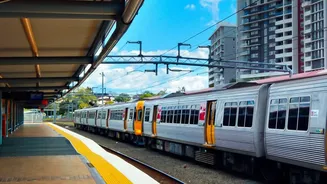
Mumbai's suburban railway is more than just a transport network; it's the city's heartbeat, ferrying over 6 million people daily. The system operates more than 3,200 services a day, but for commuters packed into coaches during peak hours, it often feels
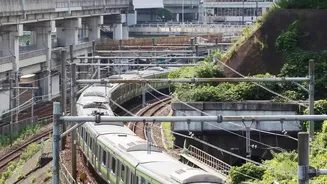
strained to its absolute limit. For decades, this network has been a shared battleground for both passenger locals and long-distance goods trains. This mix is a primary cause of congestion, slowing down both freight and, more critically, the daily commuter services that millions depend on. The need for a separate, dedicated path for freight has never been more urgent.
A Separate Highway for Goods Trains
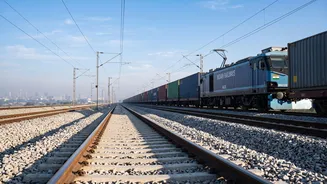
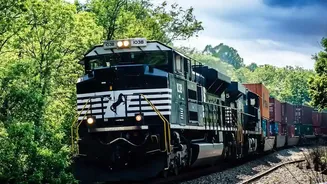
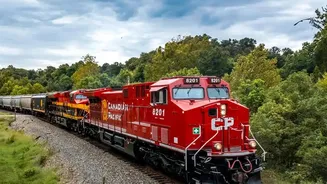
Enter the Dedicated Freight Corridors (DFCs), a project nearly two decades in the making. The focus for Mumbai is the Western Dedicated Freight Corridor (WDFC), a 1,506-km electrified, double-track route stretching from Dadri in Uttar Pradesh to Jawaharlal Nehru Port (JNPT) in Navi Mumbai. After years of construction and overcoming numerous challenges, the final sections of the WDFC were inaugurated on September 8, 2026, making the entire corridor fully operational. This high-capacity, high-speed rail line is designed exclusively for goods trains, including double-stack container trains that can carry the load of 250 trucks in a single trip. Its completion marks a historic moment in India's logistics infrastructure.
How It Frees Up Mumbai's Tracks
The logic is simple but transformative. By shifting freight trains from the crowded suburban lines onto the new, parallel WDFC, immense capacity is unlocked on the existing network. Previously, local trains and goods trains competed for the same track 'paths', forcing suburban services to be delayed or spaced further apart to accommodate the slower, heavier freight traffic. With goods trains now on their own dedicated 'highway', the conventional tracks are freed up almost exclusively for passenger services. Railway officials have stated this separation will decongest Mumbai's railway network, creating additional capacity for more local trains and improving the overall utilisation of the infrastructure.
More Services, Better Punctuality
The most significant impact for the average Mumbaikar will be an increase in the frequency and reliability of local train services. While exact numbers for new services are part of a broader expansion plan, the newly available capacity is a critical enabler. With fewer conflicts between freight and passenger trains, punctuality is expected to improve dramatically. The segregation of traffic allows for a more predictable and efficient timetable. Furthermore, this move supports the ongoing Mumbai Urban Transport Projects (MUTP), which aim to add hundreds of new air-conditioned rakes and expand platform infrastructure across the city. The DFC provides the clear tracks needed for these new services to run effectively, paving the way to increase daily services from 3,200 toward a goal of 3,500 by 2030.
Beyond the Daily Commute
The benefits of the completed WDFC extend far beyond passenger capacity. By directly connecting industrial hubs in North India to JNPT, the corridor slashes transit times for cargo, in some cases from three days by road to just 12 hours by rail. This boosts India's export-import capabilities and makes industries more competitive. Officials project that the efficiency gains from the DFC network will help reduce India's logistics costs from around 14% of GDP to a globally competitive 7-9%. This enhances trade, reduces road congestion and pollution, and strengthens Mumbai's position as a premier logistics gateway for the country.