


Embrace the True Season
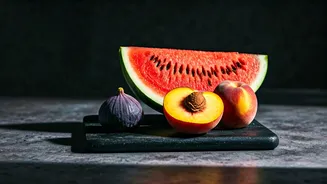
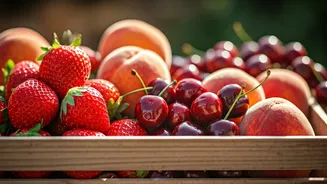
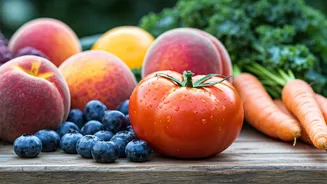
The secret to the best fruit isn't a secret at all: buy what’s actually in season. Summer is the undisputed champion for specific categories. This is the time for stone fruits like peaches, nectarines, plums, and apricots, which reach peak sweetness and juiciness
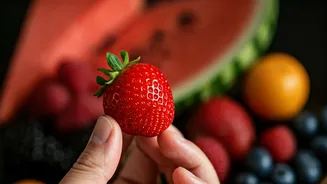
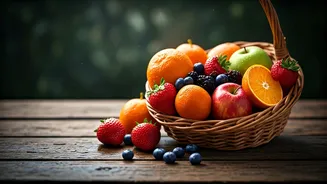
from June through August. It’s also the season for berries of all kinds—strawberries, blueberries, raspberries, and blackberries are never better or cheaper than they are right now. And of course, there are the melons. Watermelons, cantaloupes, and honeydews are at their most flavorful and hydrating during the hottest months. Shopping in season means you’re getting produce at its peak flavor profile, with the highest nutritional value, and often at the lowest price because of its availability. Trying to buy a peach in December is a recipe for a sad, mealy, and expensive experience. Stick to the summer superstars.
Use Your Senses, Not Just Your Eyes
The supermarket is designed to make everything look perfect, but your other senses are often a more reliable guide to quality. When choosing stone fruit, the feel and smell are paramount. A ripe peach or plum should have a slight give when pressed gently near the stem and will emit a sweet, fragrant aroma. If it’s rock-hard and smells like nothing, it was picked too early. For melons, the heft-to-size ratio is key; a good melon should feel heavy for its size, indicating high water content. Give a cantaloupe a sniff at the blossom end (opposite the stem); it should smell sweet and musky. For a watermelon, look for a creamy yellow patch on its underside—the “field spot”—where it rested on the ground to ripen.
Beware the Humidity Trap
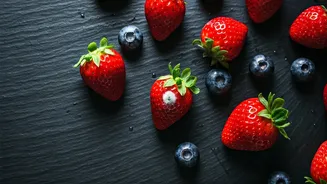
Summer's heat and humidity—our version of a monsoon climate—can be a killer for fresh fruit. Moisture is the enemy, especially for delicate items like berries, which are prone to mold. The plastic clamshell they are sold in can trap moisture and accelerate decay. To combat this, get your berries out of their container as soon as you get home. Inspect them for any moldy or mushy individuals and remove them immediately, as they will contaminate the rest. Store them unwashed in a single layer on a paper-towel-lined tray in the refrigerator. Wash them only right before you plan to eat them, as washing earlier encourages spoilage. This small step can extend the life of your expensive berry purchase by days.
Look for 'Ugly' Fruit and Seconds
Smart shopping is often about value, not just perfection. Head to a local farmer's market and ask if they have any “seconds” or “ugly” fruit. These are items that are cosmetically imperfect—maybe a little bruised, misshapen, or smaller than average—but are perfectly ripe and delicious. Farmers often sell these at a steep discount. While they might not be ideal for a pristine fruit platter, they are the absolute best candidates for smoothies, jams, pies, cobblers, or sauces. You get incredible flavor for a fraction of the cost, and you also help reduce food waste. It’s a win-win that lets you enjoy peak-season flavor without the peak-season price tag.
Plan Your Purchases to Prevent Waste
The sheer bounty of summer fruit can lead to over-enthusiastic purchasing. It’s easy to come home with three pounds of perfect peaches or two giant watermelons, only to watch them sadly decline on your counter. Go to the store with a plan. Know how much fruit your family can realistically eat in a few days. If you see a bulk deal that’s too good to pass up, have a preservation strategy ready. Are you going to freeze the berries for winter smoothies? Can you chop and freeze chunks of melon for frozen cocktails or sorbets? Will you be making a batch of peach jam this weekend? Buying in bulk is only smart if you use it all. A little forethought prevents your money—and that beautiful fruit—from ending up in the compost bin.