







The Science of Speed and Size
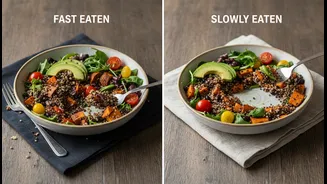
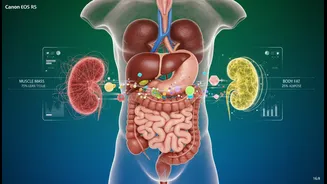
It might sound simple, but multiple studies confirm the connection: eating faster is linked to a higher Body Mass Index (BMI) and increased body fat. One cross-sectional study found that fast eaters had significantly higher BMI and visceral fat levels
compared to those who ate at a moderate or slow pace. Another review of 23 studies concluded that fast eaters were roughly twice as likely to be obese. This isn't just an adult phenomenon; the association between rapid eating and higher body weight has been observed even in preschool children, suggesting it's a fundamental behavioural link. The evidence consistently points to the idea that how you eat is a powerful, yet often overlooked, factor in managing body composition.
The Brain-Gut Connection
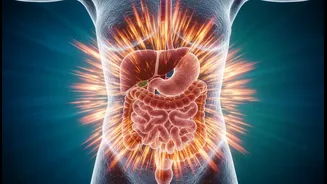
So, why does eating speed matter so much? It all comes down to a crucial delay in communication between your stomach and your brain. It takes approximately 20 minutes for your brain to receive and process satiety signals—the hormones that tell you you're full. When you eat quickly, you can easily consume far more food than your body needs before your brain gets the message to stop. Slowing down gives this intricate hormonal system, involving peptides like GLP-1 and PYY, enough time to work. This allows you to recognise fullness cues more accurately, leading to reduced calorie intake and a greater sense of satisfaction from your meal.
The Danger of Visceral Fat
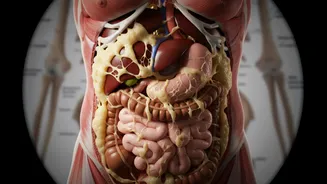
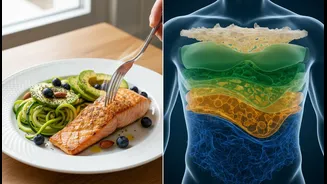
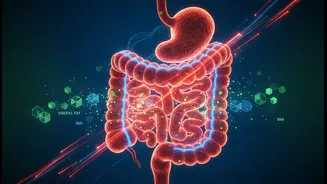
The link between fast eating and higher BMI is concerning, but its association with visceral fat is particularly alarming. Visceral fat isn't the fat you can pinch (that's subcutaneous fat); it's a deeper, more dangerous fat that wraps around your internal organs like the liver and intestines. This type of fat is metabolically active, meaning it can release inflammatory proteins and disrupt normal hormone functions. Excessive visceral fat is strongly linked to a higher risk for serious health issues, including heart disease, type 2 diabetes, stroke, and even certain cancers. One study found that individuals with the most visceral fat were three times as likely to develop precancerous polyps. Therefore, any habit that contributes to its accumulation, like eating too quickly, warrants serious attention.
How to Slow Down and Savour
Breaking the habit of fast eating might seem daunting, but it can be achieved with small, conscious changes. The goal is to be more mindful and give your body the time it needs. A good target is to make meals last at least 20-30 minutes. One of the most effective techniques is to simply chew your food more thoroughly—aiming for 15 to 30 chews per bite, depending on the food. Another simple trick is to put your fork down between bites. This creates a natural pause, breaking the rhythm of constant eating. Sipping water throughout your meal also helps to slow your pace and aids in feeling full. Finally, try to eliminate distractions. Turn off the TV, put your phone away, and focus on the flavours and textures of your food. This practice of mindful eating not only helps slow you down but also increases your enjoyment and satisfaction with the meal.