




A New Benchmark for Urban Mobility
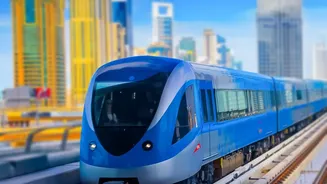
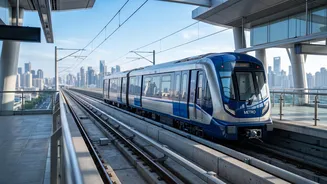
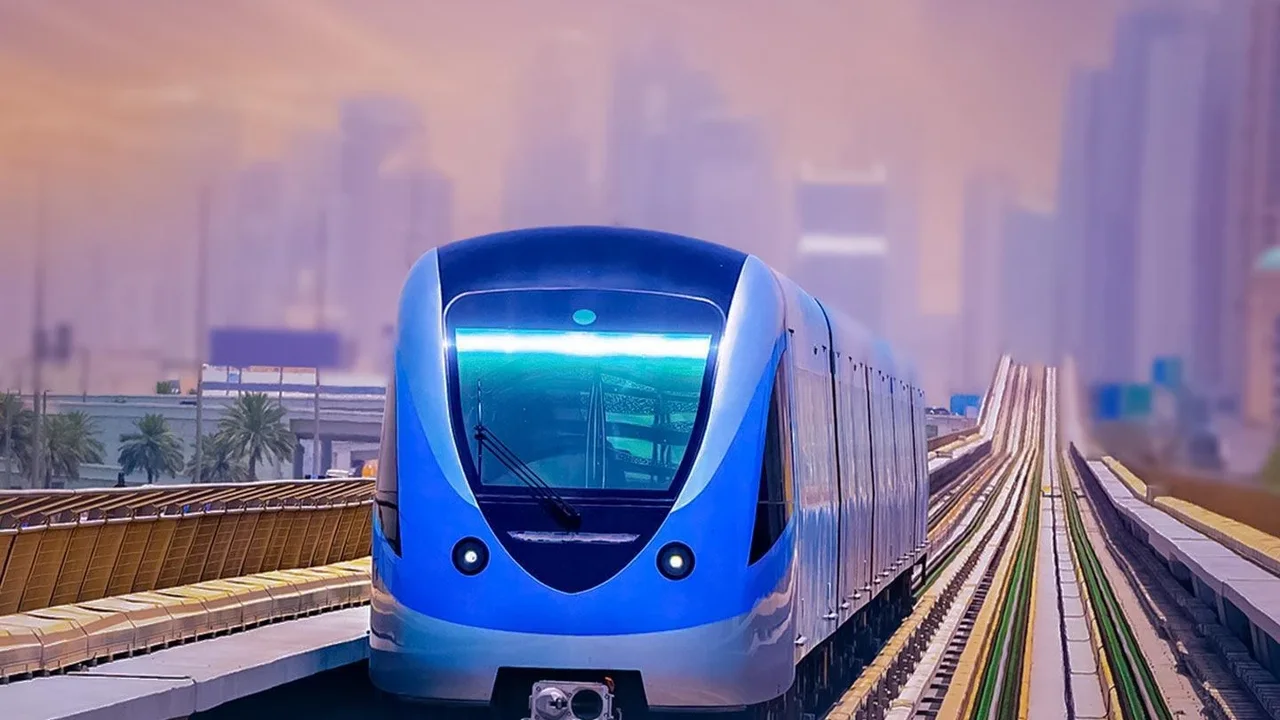
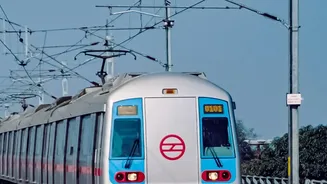
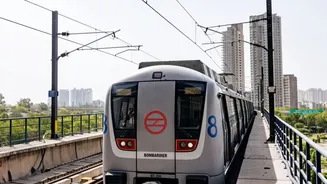
The Delhi Metro Rail Corporation (DMRC) has cemented its place as a global leader in automated transit by expanding its fleet of Unattended Train Operation (UTO) trains to 100. These trains now serve the entirety of the Pink and Magenta lines, which together
cover a distance of about 120 kilometres, or nearly 30 percent of the entire network. The achievement was highlighted by a significant ridership milestone on November 2, when the driverless network served a staggering 1.6 million passengers in a single day during the pre-Diwali rush. This figure accounted for roughly one in every five passengers across the entire Delhi Metro system, demonstrating a growing reliance on and acceptance of this advanced technology.
The Technology Driving the Change
At the heart of this futuristic system is Communications-Based Train Control (CBTC). Unlike traditional signalling that uses fixed sections of track to determine train locations, CBTC employs a 'moving block' principle. Each train uses high-precision technology to continuously calculate its exact position and speed, transmitting this data in real-time to a central control system. This constant communication allows trains to safely operate much closer to one another, reducing the time between services to as little as 90 seconds. For commuters, this means less waiting on the platform and more frequent services, especially during peak hours. The system, graded as Grade of Automation 4 (GoA4), represents the highest level of automation, where trains are run entirely without human intervention on board.
More Than Just Convenience
The benefits of driverless operations extend far beyond just increased frequency. According to DMRC Managing Director Vikas Kumar, the system enhances flexibility, reduces the scope for human error, and improves the overall availability of train coaches for service. Each train performs exhaustive self-tests before beginning its daily runs, a measure that has significantly boosted the fleet's reliability. This precision also leads to smoother acceleration and braking, improving passenger comfort and optimising energy consumption. From a safety perspective, the automated system eliminates risks associated with human fatigue or error, with computers making split-second decisions to ensure safe operations at all times.
Addressing Concerns and Redeploying Skills
The transition to automation has naturally raised questions about the future of train operators. However, the DMRC has confirmed that no staff have been laid off since driverless operations began in 2020. Instead, the roughly 3,000 train operators have been strategically redeployed to other crucial roles. Their skills and system knowledge are now being utilised in areas like station management and crowd control, ensuring their expertise remains integral to the metro's functioning. This approach addresses employment concerns while leveraging human resources where they can provide the most value in a modernised system.
The Road Ahead for India's Metros
Delhi's success serves as a powerful case study for other metro networks operating in 26 Indian cities. With plans to expand its own driverless network to nearly 198 kilometres, the DMRC is setting a precedent. While some experts caution that India, with its different staffing cost structures compared to other countries, must perform its own cost-benefit analysis rather than simply following global trends, the operational advantages are undeniable. As cities like Bengaluru and Chennai also begin to introduce their own driverless trains, it's clear that the future of mass urban transit in India is rapidly becoming more automated, efficient, and intelligent.