




In the quest for upper-body strength, it's easy to focus on what's in the mirror: the chest and shoulders. But a truly strong and functional physique is built on balance. Enter the seated row, the unsung hero of a complete training programme.
What is the Seated Row?
The seated
row is a compound exercise, meaning it works multiple joints and muscle groups at once. Typically performed on a cable machine, you sit with your feet braced and pull a weighted handle towards your torso in a horizontal motion. This simple-looking movement is a powerhouse for developing the back. The primary muscles worked are the latissimus dorsi (lats), which create back width, and the rhomboids and middle trapezius, the muscles between your shoulder blades that are crucial for posture. Secondary muscles like the biceps, forearms, and rear deltoids also get a great workout, making it a highly efficient exercise.
The Key to Better Posture
Many of us spend hours a day with our arms in front of us—typing, driving, or looking at our phones. This can lead to tight chest muscles and weak upper back muscles, resulting in the slumped, rounded-shoulder posture that is all too common. The seated row directly counteracts this by strengthening the muscles responsible for pulling your shoulder blades back and together. Regular practice of seated rows helps correct these imbalances, allowing you to sit and stand taller, which can alleviate upper back and neck tension.
Mastering the Form
Proper form is essential for maximising benefits and preventing injury. Sit on the bench with your feet firmly on the footpads, knees slightly bent. Grasp the handle with your arms fully extended, and sit upright with a straight, neutral spine. Before you pull, engage your core and retract your shoulder blades—imagine trying to pinch a pencil between them. Exhale and pull the handle towards your stomach, keeping your elbows tucked close to your body. Your torso should remain stationary; avoid leaning back or using momentum to move the weight. Pause for a second to squeeze your back muscles before slowly returning the handle to the starting position.
Common Mistakes to Avoid
A few common errors can undermine your efforts. The most frequent is using momentum by rocking your torso back and forth. This takes the load off the target muscles and increases injury risk. Another mistake is shrugging your shoulders up towards your ears, which shifts the work to your traps instead of your mid-back. Also, watch out for rounding your back or pulling primarily with your biceps instead of initiating the movement from your back. If you find yourself making these mistakes, reduce the weight and focus on a controlled, deliberate movement.
Balancing Your 'Push' and 'Pull'
Many popular gym exercises—like the bench press, overhead press, and pushups—are 'push' movements. While fantastic for building the chest and shoulders, overemphasising them without enough 'pull' work creates muscular imbalances. Pulling exercises, like the seated row, strengthen the posterior chain (the back side of your body). A balanced routine that includes both push and pull movements is crucial for joint health, stability, and preventing injuries, especially in the shoulders. For every pushing exercise in your programme, you should have a corresponding pulling motion.
Adding Rows to Your Routine
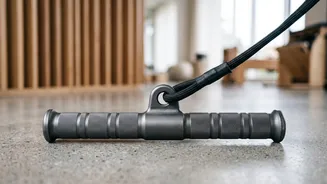
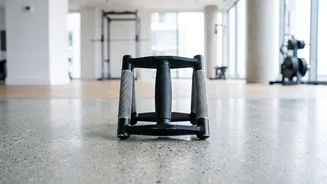
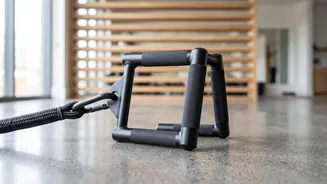
The seated row is versatile enough to fit into any workout split. You can include it on a dedicated 'back day' or as part of a full body workout. Aim for 1–2 sessions per week. A good starting point is 3 sets of 8–12 repetitions, using a weight that challenges you while allowing you to maintain perfect form. You can also vary your grip to target muscles slightly differently. A narrow, neutral V–handle focuses more on the lats, while a wider bar will engage the upper back and rear deltoids more.