







First, Prep Your Pots
Before you sow a single seed, success starts with the right setup. The biggest challenge during monsoon is not a lack of water, but too much of it. Waterlogged soil can lead to root rot, killing your plants before they have a chance to thrive. First,
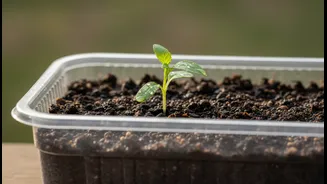
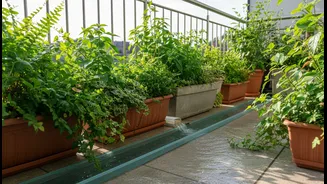
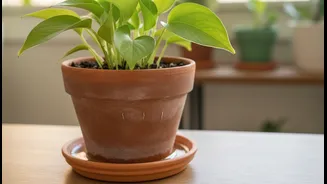
ensure every pot has at least one, preferably multiple, drainage holes at the bottom. To further improve drainage, you can elevate your pots on bricks or stands. This prevents them from sitting in puddles on your balcony floor. Use a light, well-draining potting mix. A combination of garden soil, compost, and coco peat or sand is ideal, as it provides nutrients while preventing compaction and waterlogging.
Spinach (Palak)
A staple in Indian kitchens, spinach thrives in the moderate temperatures and high humidity of the monsoon. It's a cool-weather green that can be harvested multiple times from a single plant. For container gardening, choose a wide, shallow pot or tray. Sow seeds directly into the pot and cover with a thin layer of soil. Keep the soil consistently moist until germination. Spinach requires about four to six hours of sunlight daily but benefits from some afternoon shade to prevent it from flowering prematurely, which can make the leaves bitter. You can start harvesting the outer leaves once the plant is established, allowing the inner leaves to continue growing for a continuous supply.
Malabar Spinach (Poi Saag)
Not a true spinach, Malabar spinach is a tropical vine that loves the heat and humidity of the Indian monsoon, making it an excellent choice for this season. It can be grown easily from seeds or cuttings. This fast-growing climber needs a support structure like a trellis or railing to sprawl on. Plant it in a medium-sized container with rich, well-drained soil in a spot that receives strong sunlight. While it loves moisture, ensure the pot doesn't get waterlogged. Its fleshy, succulent leaves are not only delicious but also rich in vitamins and calcium, making it a nutritious addition to your monsoon diet.
Amaranth (Chaulai/Lal Saag)
Amaranth, known locally as Chaulai or Lal Maat, is another resilient green that flourishes during the rains. Available in both green and red varieties, its vibrant leaves add colour and nutrition to your meals. Amaranth is rich in protein and antioxidants. Like spinach, it grows well in wide, shallow containers. Scatter the seeds evenly and cover with a light layer of soil. This green is not very demanding and grows quickly in moist conditions with partial sunlight. You can begin harvesting the leaves in just a few weeks, cutting them as needed while the plant continues to produce more.
Coriander (Dhania)
No Indian kitchen is complete without fresh coriander, and the monsoon is an ideal time to grow this fragrant herb. To improve germination, lightly crush whole coriander seeds and soak them overnight before planting. Sow them in a pot with well-draining soil, placed in a spot that receives four to six hours of indirect sunlight. Be careful not to overwater; check if the top inch of soil is dry before watering again, especially if there has been rainfall. You can start snipping off leaves once the plant is about six inches tall. Regular harvesting encourages bushier growth, giving you a steady supply for your curries and chutneys.
Mint (Pudina)
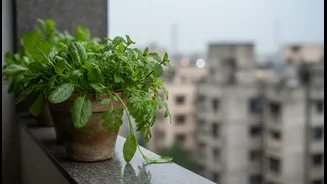
Mint is one of the easiest herbs to grow and is particularly vigorous during the monsoon. The simplest way to start is by planting cuttings from a healthy bunch of mint bought from the market. Plant the stems in a pot, ensuring a distance of about 15 centimetres between them. Mint prefers consistently moist soil and partial sunlight. It spreads quickly, so it's best to give it its own container. Regular trimming will encourage the plant to grow fuller and provide you with fresh leaves for chutneys, teas, and garnishes all season long.
Monsoon Pest Patrol
The high humidity and moisture of the rainy season can unfortunately invite pests like aphids, slugs, and snails, as well as fungal diseases. Regular inspection is your first line of defense. Check under leaves for any signs of trouble. Ensure good air circulation around your plants by not overcrowding them. For a simple, organic pest deterrent, a spray made from neem oil mixed with water and a drop of mild soap can be very effective against common pests. Removing any dead leaves or debris from the pots also helps keep your garden clean and less attractive to unwanted visitors.