



From Limited Menus to a Culinary Map
For years, ordering food online meant choosing between a familiar rotation of North Indian curries, Indo-Chinese staples, and pizza. While comforting, these options represented only a fraction of India’s vast culinary landscape. Consumers in metro cities,
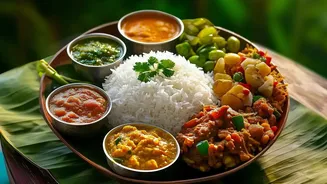
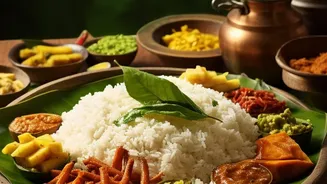
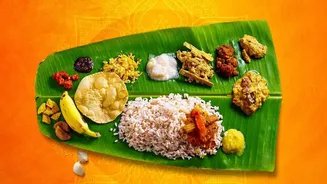
increasingly exposed to diverse cultures through travel and social media, began seeking more genuine and varied food experiences. This growing curiosity for flavours beyond the mainstream set the stage for a delicious disruption, with diners looking for food that tells a story of its origin. Food delivery platforms, noticing the shift, became the enablers of this new culinary exploration.
The Engine Room: Cloud Kitchens
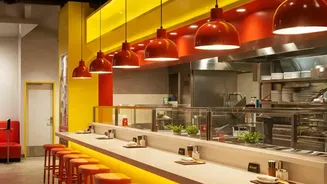
A major catalyst in this transformation has been the rise of the cloud kitchen. Also known as ghost kitchens, these are delivery-only establishments without a physical dine-in space. This model significantly lowers the financial barrier to entry, as entrepreneurs don't need to invest in expensive real estate and front-of-house staff. This lean setup is perfect for niche businesses. A chef can launch a brand focusing solely on Odia delicacies or Naga specialties, testing the market with minimal risk. Technology plays a key role, with digital recipe management and kitchen automation ensuring that dishes maintain their authentic taste consistently, even as the business scales. The Indian cloud kitchen market was valued at over USD 1 billion in 2024 and is projected to grow significantly, proving its vital role in the food ecosystem.
The Heart of Authenticity: Empowering Home Chefs
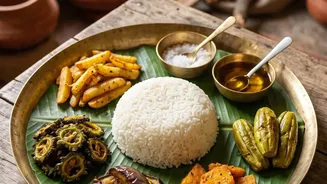
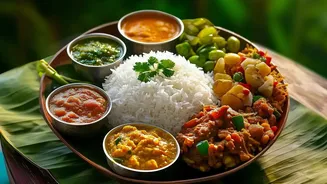
While cloud kitchens provide scale, the gold standard for authenticity often comes from home kitchens. Major platforms like Zomato and Swiggy have introduced dedicated programmes that allow home-based cooks to register and sell on their apps. This has empowered a new wave of food entrepreneurs, many of them women, turning their culinary skills into a source of income. To get started, a home chef needs an FSSAI registration and a clean, dedicated cooking space. These platforms give them access to a massive customer base that was previously unreachable. In return, city dwellers get access to 'ghar ka khana' — genuine, home-cooked meals that range from daily tiffin services to festive specialities, prepared with traditional recipes.
A Two-Way Cultural Exchange
The trend is more than just a matter of convenience; it’s a cultural phenomenon. For the millions who migrate to metro cities for work and education, these apps offer a comforting taste of home. Finding a specialty dish from their home state, prepared just the way they remember it, can be a powerful emotional connection. At the same time, it introduces lifelong residents of cities like Delhi or Mumbai to the subtle flavours of cuisines they may have never encountered. Social media further amplifies this exchange, as food bloggers and influencers spotlight hyper-regional dishes, creating a narrative that goes beyond the meal itself. This digital word-of-mouth transforms a simple order into a discovery.