
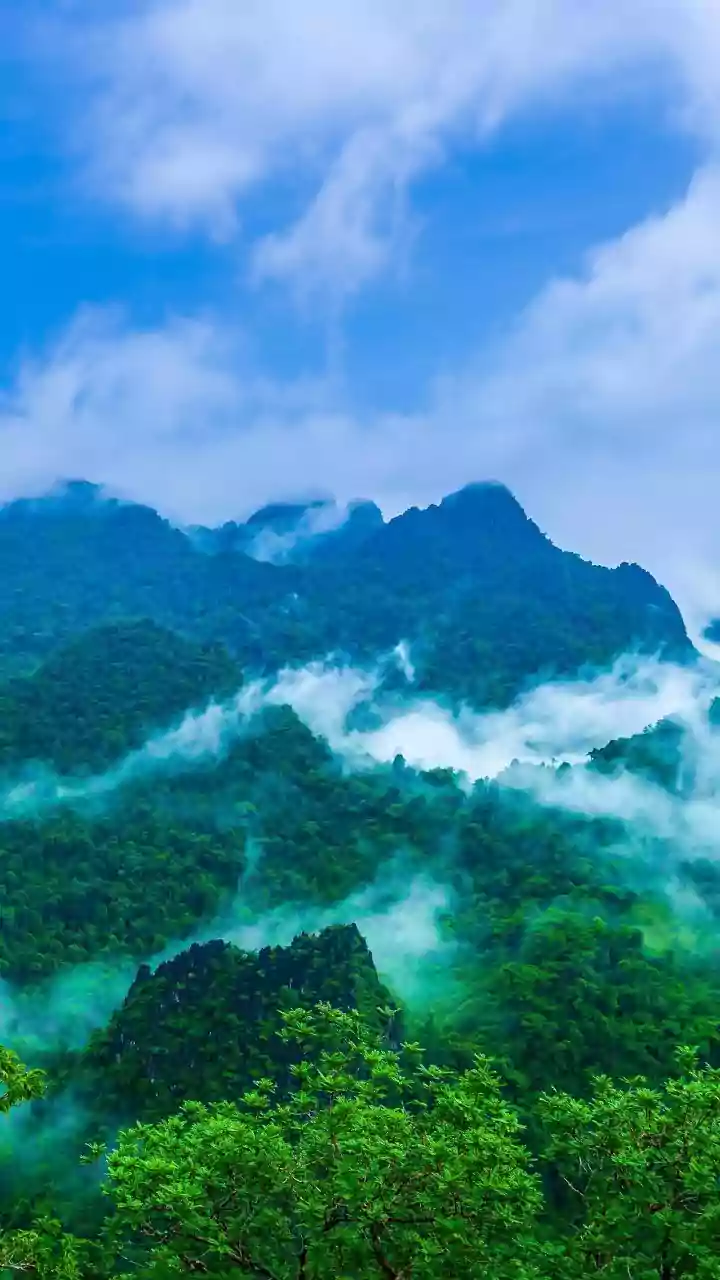
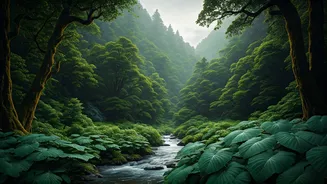



The Forest That Glows
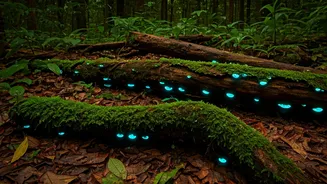
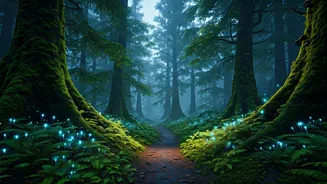
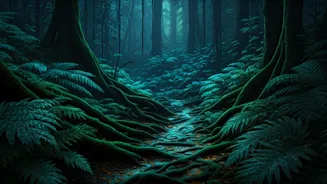
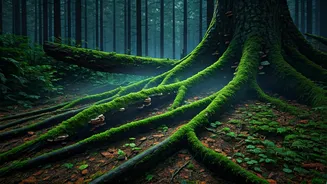
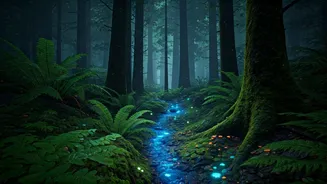
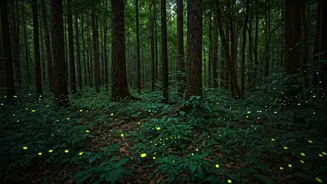
Imagine walking through a dense forest after dusk, with the scent of rain-soaked earth filling the air. Your torch is off, and as your eyes adjust to the darkness, you begin to see it: faint, ethereal patches of green and blue light emanating from the forest floor.
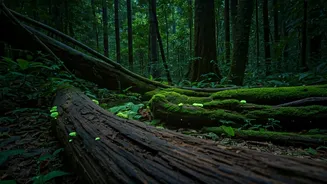
It’s not a trick of the light or a stray torch beam. It’s life. Rotting logs, damp leaves, and twisted branches are aglow with a silent, steady light, transforming the familiar landscape into a scene from a fantasy film. This mesmerising phenomenon is bioluminescence, and during the monsoon, it turns parts of the Western Ghats into a natural wonderland, leading to a surge in demand for guided night safaris and jungle walks.
The Science Behind the Magic
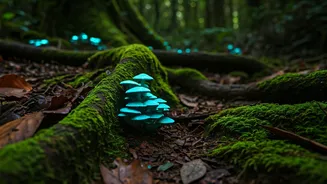
What causes this magical glow? The primary culprit is a type of fungus, often from the genus *Mycena*. These fungi are decomposers, breaking down dead organic matter like wood and leaves. The light is a byproduct of a chemical reaction within the fungus involving an enzyme called luciferase. While scientists are still debating the exact evolutionary purpose, theories suggest the glow might attract insects that help spread the fungus's spores, or it could be a warning to deter animals from eating it. It’s nature’s very own set of neon signs, operating on the forest floor. This phenomenon, often called 'foxfire,' is entirely different from the blinking lights of fireflies, another common source of bioluminescence in the Ghats, which use their light for mating signals.
A Monsoon Spectacle
This spectacle is inextricably linked to the Indian monsoon. The high humidity and consistent moisture from June to October create the perfect conditions for these fungi to thrive and, more importantly, to glow. The dampness activates the chemical reaction, making the light brighter and more widespread. While the fungus is present year-round, its luminous activity peaks during these wet months. This makes the monsoon, often seen as a time to stay indoors, the ideal season for adventurous souls to head out into the wild and witness one of nature's most subtle yet profound displays. The forest, alive with the sound of rain and insects, becomes a multi-sensory experience capped by this visual feast.
Where to Witness the Glow
The Western Ghats, a UNESCO World Heritage Site, offers several hotspots for bioluminescence tourism. In Maharashtra, the Bhimashankar Wildlife Sanctuary, about 100 km from Pune, is one of the most famous locations. Guided night trails here are immensely popular. The region around the Andharban trek, which translates to 'Dark Forest', is another prime spot. Further south, parts of Goa, particularly the Mhadei Wildlife Sanctuary, and certain forest areas in Coorg and Agumbe in Karnataka also report stunning displays. Due to the rising interest, many local eco-tourism groups and forest departments now organise controlled, guided walks. Booking in advance is highly recommended, as the most popular tours fill up quickly, especially on weekends.
Responsible Ecotourism is Key
The surging popularity of these 'glowing forest' tours is a double-edged sword. While it fosters a deeper appreciation for biodiversity and provides livelihoods for local communities, it also brings risks. The ecosystems that support these fungi are incredibly delicate. Increased foot traffic, noise pollution, and litter can disrupt the environment. Responsible tourism is crucial. Visitors are urged to go with certified local guides, stick to marked trails, avoid using flash photography which ruins the experience for everyone, and maintain silence to respect the nocturnal wildlife. The goal is to leave the forest as untouched as you found it, ensuring that this magical glow can be witnessed by generations to come.