

The Building Blocks of Muscle
Protein is the undisputed king of muscle repair and growth, but what is protein really made of? The answer is amino acids. Think of them as tiny building blocks. Your body needs 20 different amino acids to function, but nine of them are called 'essential
amino acids' (EAAs) because your body can't make them on its own. You must get these nine—histidine, isoleucine, leucine, lysine, methionine, phenylalanine, threonine, tryptophan, and valine—from the food you eat. For anyone lifting weights, especially those looking to build lean mass, getting a sufficient supply of all nine EAAs is non-negotiable. Leucine, in particular, plays a critical role in triggering muscle protein synthesis, the process that builds muscle tissue.
The 'Incomplete' Protein Myth
You may have heard that most plant proteins are 'incomplete', meaning they are low in one or more essential amino acids. This led to the old belief that vegetarians and vegans had to meticulously combine different proteins at every single meal to form a 'complete' protein. Thankfully, modern nutrition science has debunked this. Your body is smart; it maintains a pool of amino acids it can draw from throughout the day. So, while it's true that many plant foods have a less optimal amino acid distribution than animal products, you don't need to stress about pairing them at every meal. The goal is simply to eat a varied diet throughout the day to ensure you're getting a good mix of all the essential amino acids over time.
The Two Key Players: Lysine and Methionine
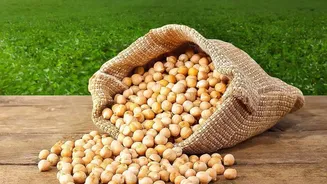
While you need all nine EAAs, two tend to be the most common limiting factors in plant-based diets: lysine and methionine. Generally speaking, grains are often lower in lysine, while legumes (beans, lentils, peas) can be lower in methionine. By being mindful of these two amino acids, you can easily create a diet that is rich in complete protein. Simply focus on pairing foods that compensate for each other's limitations, and you'll cover all your bases without complicated calculations.
Synergy Rule 1: Grains and Legumes
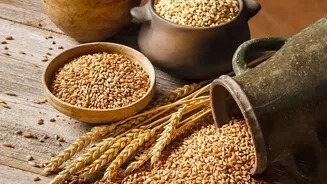
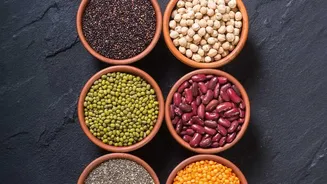
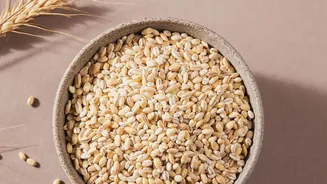
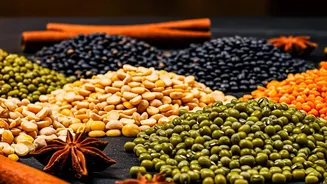
This is the most classic and effective pairing for a reason. Grains, which are often low in lysine, are complemented perfectly by legumes, which are packed with it. In turn, legumes are a bit lower in methionine, which grains have in greater supply. This synergy is why so many global cuisines have staple dishes that combine the two. Think of Indian dal with rice or roti, a Mexican bean burrito, a Middle Eastern hummus and pita platter, or a simple peanut butter sandwich on whole-grain bread. These aren't just delicious meals; they are nutritional powerhouses that provide a full spectrum of amino acids.
Synergy Rule 2: Embrace Complete Plant Proteins
Not all plant foods need a partner. Several plant-based options are considered 'complete' proteins all on their own, meaning they contain all nine essential amino acids in sufficient quantities. Incorporating these foods into your diet is a straightforward way to boost your protein quality. Standouts in this category include soy products (like tofu, tempeh, and edamame), quinoa, buckwheat, hemp seeds, and chia seeds. Soy is particularly notable for being a plant-based protein that stands up to animal sources in terms of its complete amino acid profile. A tofu stir-fry or a quinoa-based salad is an easy win for any vegetarian lifter.
Meeting the Demands of a Lifter
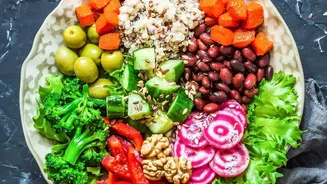
Athletes and active individuals, especially those focused on strength training, have higher protein needs than sedentary people. While a typical adult might need around 0.8 grams of protein per kilogram of body weight, recommendations for strength athletes often range from 1.6 to 2.2 grams per kilogram (or roughly 0.7 to 1.0 grams per pound) daily. For a 70 kg (154 lb) lifter, this translates to about 112-154 grams of protein per day. Hitting these higher targets on a vegetarian diet requires planning. Prioritizing protein-dense foods like lentils, beans, tofu, tempeh, seitan, and high-quality plant-based protein powders can make meeting these goals much more achievable.