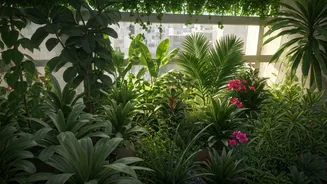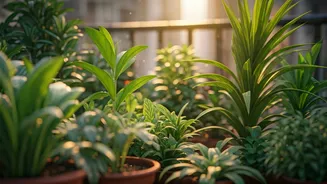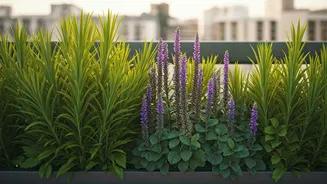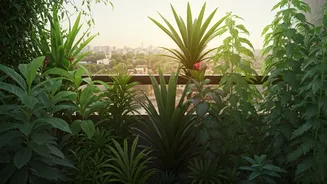








A Shift in Urban Greenery
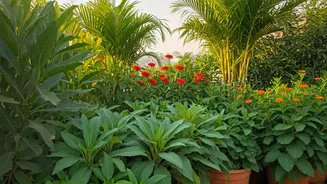
Look closely at the green patches dotting India's urban landscape, and you might notice a subtle but significant change. The once-manicured lawns and collections of popular, often non-native, ornamental plants are increasingly making way for species that
are indigenous to the region. [20] From the balconies of Mumbai to the neighbourhood parks of Bengaluru, urban gardeners are cultivating everything from the sacred Tulsi (Ocimum sanctum) and medicinal Neem (Azadirachta indica) to flowering beauties like Parijat (Nyctanthes arbor-tristis) and Amaltas (Cassia fistula). [5, 3] This movement is more than just a gardening trend; it represents a deeper shift in environmental consciousness and a desire to forge a more meaningful connection with the natural world. [13]
The Roots of the Movement
So, why the sudden surge in popularity for native plants? The reasons are as diverse as the flora itself. A primary driver is sustainability. [20] Native plants have evolved over millennia to be perfectly adapted to local climate and soil conditions. [10] This means they generally require less water—a crucial benefit in a country facing increasing water scarcity—and fewer chemical fertilisers and pesticides. [2, 11] For the busy urban dweller, this translates into low-maintenance gardening that is both cost-effective and environmentally friendly. [19] Furthermore, there is a growing awareness of the ecological havoc wreaked by some non-native, invasive species that can out-compete and overwhelm local ecosystems. [11] The trend also taps into a cultural desire to reconnect with heritage, as many native plants are deeply intertwined with India's traditions, whether in medicine, cuisine, or spiritual practices. [9, 14]
More Than Just a Pretty Plant
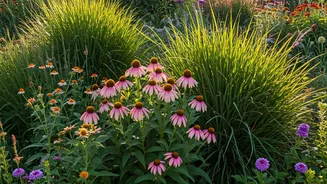
The benefits of this green shift extend far beyond the individual garden. By planting native species, urbanites are becoming crucial custodians of biodiversity. [18] These plants provide essential food and habitat for local wildlife, including birds, butterflies, bees, and other pollinators that struggle to survive in cities dominated by concrete and exotic flora. [10, 13] A garden filled with native flowering plants like marigolds or hibiscus can become a bustling hub for pollinators, supporting the delicate urban food web. [2, 17] These green spaces act as 'stepping stones' or small habitat patches, creating vital corridors that allow wildlife to move between larger green areas like parks and forests. [7, 16] This restoration of local ecosystems, even on a small scale, is vital for the health and resilience of the entire city. [19]
Creating a Backyard Ecosystem
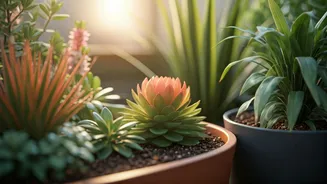
Experts note that the most effective native gardens mimic the structure of a natural forest, with layers of plants—tall trees, smaller sub-canopy trees, shrubs, and groundcover. [14] Even in a small space, this principle can be applied. A curry leaf plant (Murraya koenigii), a hibiscus shrub, and a pot of tulsi can create a multi-layered micro-habitat. [3] This approach not only maximises the garden's ecological function but also enhances its aesthetic appeal, creating a year-round succession of blooms and foliage. [14] The presence of native plants also helps improve soil health, prevent erosion with their deep root systems, and can even mitigate the urban heat island effect by providing shade and cooling. [2, 19]
Getting Your Hands Dirty
Joining the movement is becoming easier. While challenges remain, such as the limited availability of native species in some commercial nurseries, awareness is growing. [2] Online communities and local conservation groups are valuable resources for sourcing plants and sharing knowledge. [2] Experts advise starting small: replace a section of your garden with a few easy-to-grow native species. [2] It is also important to select plants that are native to your specific bioregion—a plant from the Western Ghats may not thrive in the northern plains. [14] Resources like the Botanical Survey of India provide regional species lists to help gardeners make informed choices. [14]