





The Land of High Passes and Ancient Remedies
Nestled in the Himalayas, Ladakh is a land of stark beauty and profound traditions. For centuries, its people have relied on a sophisticated system of traditional medicine known as Sowa-Rigpa. This 'Science of Healing,' with roots in Tibetan and Ayurvedic
practices, takes a holistic approach to wellness, using diet, meditation, and a vast knowledge of local plants to maintain health in a harsh environment. Local healers, called Amchis, have passed down knowledge of the region's unique flora for generations. They prepare remedies for everything from digestive issues to boosting immunity, often in the form of infusions and decoctions made from wild-harvested herbs. These practices are not just historical footnotes; they remain a vital part of primary healthcare for many in the region.
Decoding the Decoctions
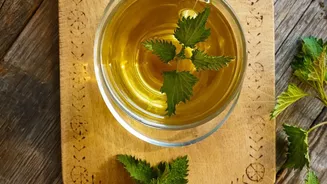
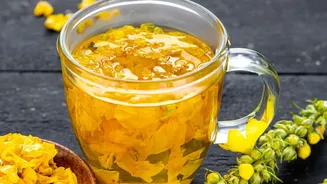
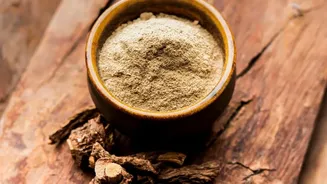
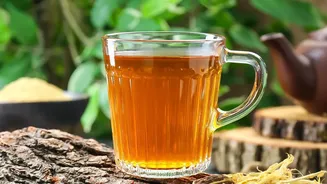
The term 'decoction' refers to a method of extracting compounds from tough plant materials like roots and bark by boiling them in water. While the headline mentions a 'smoked' preparation, this is a less common technique. More typically, Amchis prepare potent herbal teas and infusions. A wide array of plants is used, with many specifically targeting digestive wellness. Research has documented over 50 plant species used for stomach-related ailments in Ladakh alone. Prominent herbs include varieties of wild onion and thyme, sea buckthorn, and Rhodiola. These plants are adapted to extreme conditions, which causes them to produce a high concentration of beneficial secondary metabolites. These bioactive compounds are precisely what make them valuable in traditional medicine and of great interest to modern science.
The Microbiome Connection
So, how does this ancient practice connect to our modern understanding of the gut microbiome? The gut microbiome is a complex ecosystem of trillions of microorganisms in our digestive tract that influences everything from digestion to immunity. An imbalance can lead to various health issues. Many traditional herbal remedies, including those used in Sowa-Rigpa, are rich in compounds like polyphenols, flavonoids, and terpenoids. Modern research suggests these phytochemicals can act as 'prebiotics'—substances that feed beneficial gut bacteria like Bifidobacterium and Lactobacillus. By promoting the growth of helpful microbes and sometimes inhibiting harmful ones, these herbal preparations can help modulate and balance the gut environment. While direct studies on Ladakhi decoctions are still emerging, the principle is well-established: plant-based compounds can have a profound and positive impact on intestinal health.
A Holistic Approach to Gut Health
It would be a mistake to attribute the digestive health of Ladakhi people to herbal teas alone. Sowa-Rigpa emphasizes a holistic lifestyle where diet and daily habits are just as important as medicinal formulas. The traditional Ladakhi diet, historically rich in whole grains, fermented foods, and locally foraged vegetables, naturally supports a healthy gut. Wild edible plants play a significant role, providing nutrients and fibre that are often lacking in modern processed diets. The benefits observed are therefore a result of an entire system—the decoctions work in concert with a diet and lifestyle that have co-evolved over centuries to promote resilience and well-being. This integrated approach is a key lesson from traditional systems: wellness is not about a single magic bullet, but a balanced and mindful way of living.
Safety, Sustainability, and Science
The word 'safely' in the headline is crucial. The Amchis' expertise includes not only which plants to use, but also correct identification, dosage, and preparation—knowledge that has been refined over centuries. Self-medicating with wild herbs without this deep knowledge can be dangerous. Furthermore, the growing interest in traditional remedies brings challenges. Over-harvesting and environmental changes threaten many of these unique Ladakhi plants, with several species now considered vulnerable or endangered. To preserve this heritage, organizations like the National Institute of Sowa-Rigpa are working to cultivate these rare plants and document traditional knowledge. Integrating this ancient wisdom with modern science requires careful, respectful research to validate efficacy, ensure safety, and develop sustainable practices that protect both consumers and the fragile Ladakhi ecosystem.