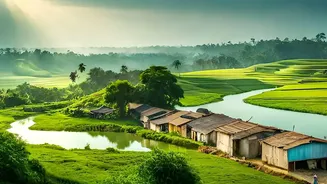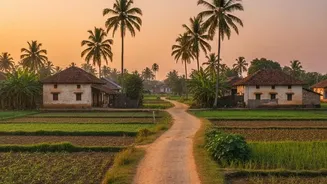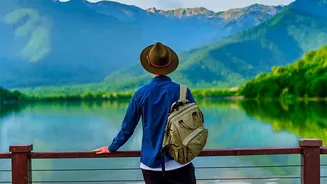

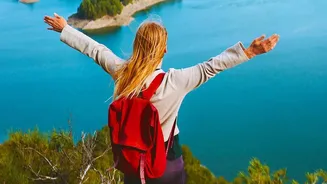
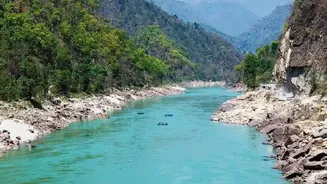
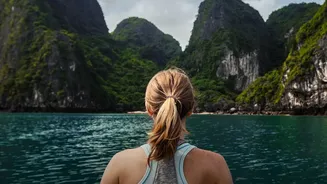
Ever returned from a holiday feeling like you need another one just to recover? You’re not alone. The pressure to see and do everything can be exhausting. But there’s a better way to truly recharge: swapping the city-hopping for a slow rural escape.
The Problem with 'Checklist Tourism'
Many
of us treat vacations like a project to be managed. We create detailed itineraries, book back-to-back tours, and race between landmarks, determined to 'make the most' of our precious time off. The result is often the opposite of restful. This style of travel, sometimes called 'checklist tourism', keeps our minds in the same state of busyness that we're trying to escape. Research shows that for many, the inability to switch off is a real behavioural pattern; one study found 55% of people simply don't know how to 'do nothing'. This can lead to feeling guilty or stressed when not actively occupied, even on holiday. The constant decision-making, navigating unfamiliar cities, and adhering to a tight schedule can be mentally draining, leaving us with a collection of photos but little genuine restoration.
The Science of Slowing Down
A rural immersion offers a powerful antidote to modern hustle. From a psychological perspective, slowing down means our senses are less overloaded. When fewer stimuli are competing for our attention, the brain has more capacity to notice details and relax. Studies have consistently shown that spending time in nature reduces cortisol, the body's primary stress hormone. Even 20 minutes in a natural setting can lower stress markers like heart rate and blood pressure. This is partly due to what scientists call 'soft fascination' — the gentle, restorative attention that nature engages, allowing our minds to recover from the fatigue of constant focus. This process enhances cognitive functions like memory and creativity, which are often depleted by urban life.
What Rural Immersion Really Means
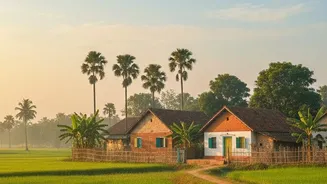
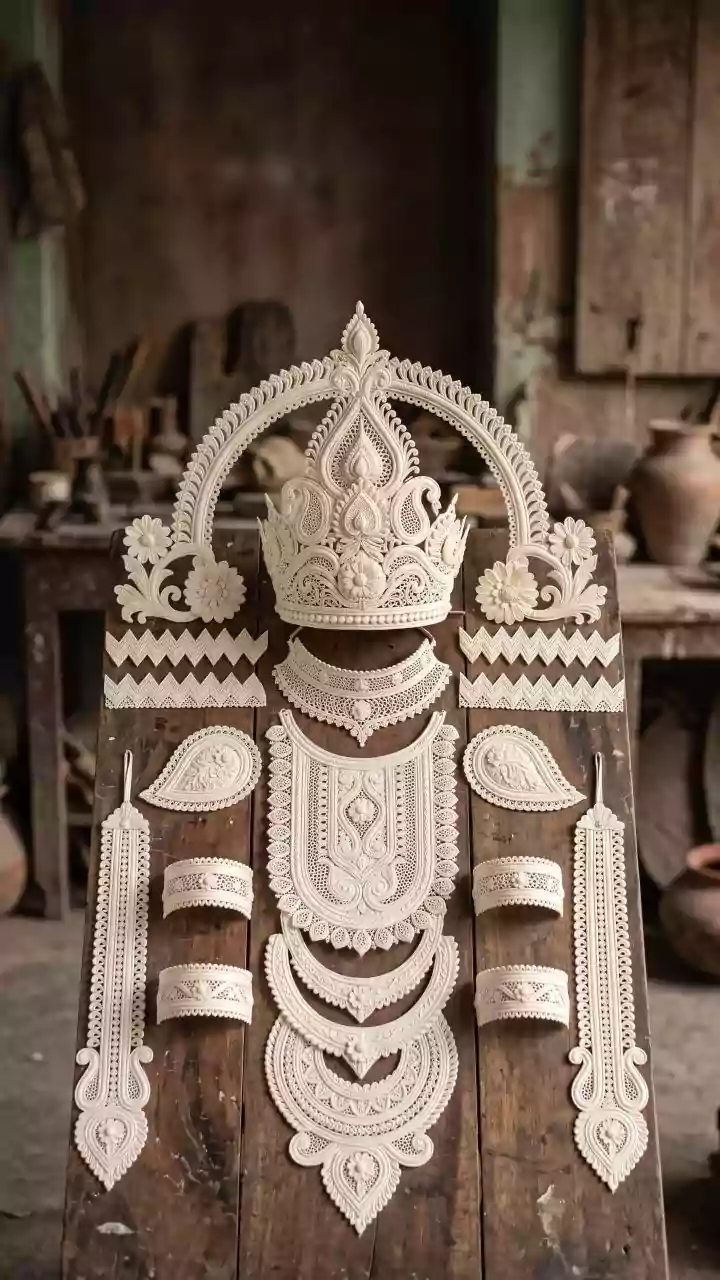
A true rural immersion is about more than just a change of scenery. It is a mindset shift from 'seeing' to 'being'. It means swapping a checklist of sights for a handful of meaningful experiences. This could involve staying in a village homestay, learning a local craft, or simply spending an afternoon walking without a destination. The goal is to connect more deeply with a place, its culture, and its natural rhythms. Instead of the anonymity of a bustling city, rural travel often fosters a stronger sense of community and connection, which can combat feelings of loneliness and enhance wellbeing. By prioritising presence over productivity, you allow your nervous system the space to genuinely unwind and heal from chronic stress.
Trading Your Itinerary for Experience
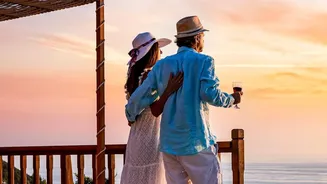
Imagine a holiday where your main activity is watching the sun set, enjoying long meals made with fresh, local produce, or having an unhurried conversation with your host. This is the essence of a restorative trip. In a rural setting, you are naturally encouraged to be more active in a gentle way—whether it's walking along a village path, gardening, or cycling through open spaces. This kind of movement boosts mood-enhancing neurochemicals like serotonin and dopamine. The focus shifts from external validation (posting the perfect picture) to internal restoration (feeling a sense of calm and clarity). You stop consuming places and start connecting with them, creating memories that are not just visual, but deeply felt.
How to Plan a Truly Restful Escape
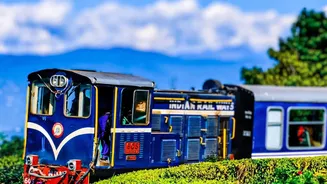
Planning a rural immersion doesn't have to be complicated. Start by defining what kind of rest you need: quiet and solitude, or gentle social connection? India has a vast landscape of rural tourism opportunities, from homestays in the tea plantations of the Nilgiris to farm stays in Punjab or tranquil village experiences in the Himalayas. Look for community-based tourism projects, which ensure your money directly supports local families and cultural preservation. The key is to under-schedule your time. Pick one or two 'anchor' activities for your trip and leave the rest open for spontaneity. Most importantly, give yourself permission to do nothing at all. True relaxation is a skill, and like any skill, it gets easier with practice.