
The Achilles' Heel of Modern Solar
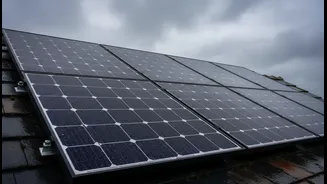
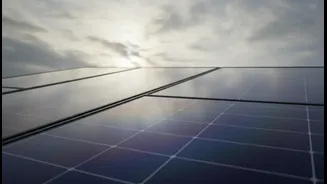
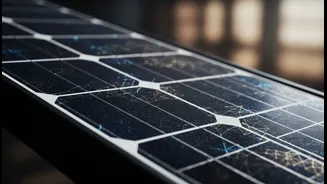
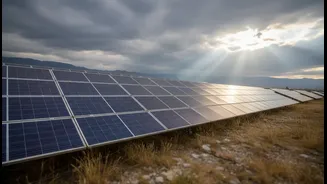
Solar installations are built to live outdoors for 25 years or more, but their performance and structural integrity are increasingly tested by severe weather. Events like hailstorms can cause microcracks in photovoltaic cells, high winds can rip panels
from their mountings, and heavy snow loads can cause structural failure. Even if panels aren't destroyed, this damage leads to significant financial losses from repairs and reduced energy production. A study from the National Renewable Energy Laboratory (NREL) found that each severe weather event can decrease a solar installation's annual productivity by about 1%, an effect that accumulates over time. This vulnerability is a growing concern for homeowners, businesses, and utility operators who have made significant investments in solar infrastructure.
What Makes a Panel 'Weather-Resilient'?
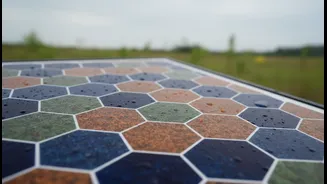
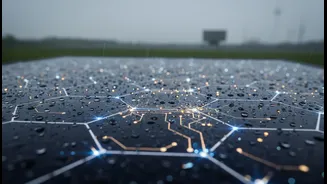
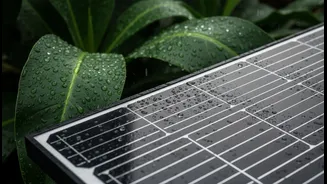
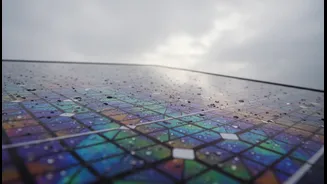
A weather-resilient solar panel isn't just slightly tougher; it's engineered from the ground up for durability. These panels undergo rigorous testing to earn certifications like IEC 61215 and UL 1703, which simulate long-term exposure to environmental stress. Key innovations include using stronger tempered glass, reinforced frames, and advanced encapsulants that protect against moisture and extreme temperature fluctuations. Some manufacturers use materials and designs capable of withstanding impacts from hailstones an inch or more in diameter or wind speeds exceeding 140 miles per hour. Other breakthroughs include self-healing coatings that can automatically repair minor scratches and hydrophobic surfaces that repel dust and water, maintaining efficiency in harsh climates.
The Business Case for Durability
While resilient panels may come with a higher upfront cost, they offer a compelling financial argument based on total cost of ownership. The business case rests on long-term savings from reduced maintenance, fewer repairs, and lower insurance premiums. For large-scale solar farms and commercial installations, where downtime translates directly into lost revenue, the value of uninterrupted power generation is immense. As climate patterns become more unpredictable, investors and developers are realizing that designing for resilience is not an added luxury but a core part of risk management. This shift in thinking prioritizes lifetime value over the lowest initial capital cost, ensuring that a solar project remains a productive asset for its entire lifespan.
Climate and Market Forces Driving Demand
The trend towards weather-resilient panels is being driven by two powerful forces: climate change and market economics. The increasing frequency of severe weather events has made the limitations of standard panels painfully clear. In response, new, more stringent testing protocols are being developed to better simulate real-world storm conditions and help buyers differentiate products based on durability. At the same time, the global solar market is booming, with projections showing it could reach over $350 billion by 2033. In this competitive landscape, manufacturers are using durability as a key selling point. For India, a country with diverse and extreme weather—from coastal cyclones and heavy monsoons to Himalayan snow and desert heat—the need for resilient infrastructure is particularly acute, creating a prime market for these advanced solar technologies.
The Future is Smart and Tough
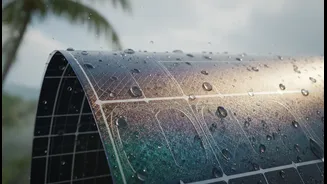
Innovation isn't limited to materials alone. The next generation of resilient systems incorporates smart technology. For instance, researchers have developed systems with tracking mounts that can automatically fold panels into a flat, protected position when storm warnings are issued. This combination of mechanical ingenuity and weather-forecasting data represents a leap forward in active defense against damage. Other advancements focus on flexible and lightweight solar fabrics that are inherently more durable and can be deployed in a wider range of applications, from emergency shelters to sails on a boat. These developments suggest a future where solar installations are not just passive energy generators but active, intelligent systems capable of protecting themselves.