
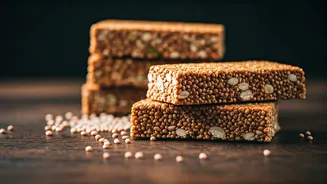


The Humble Powerhouse Called Alsi
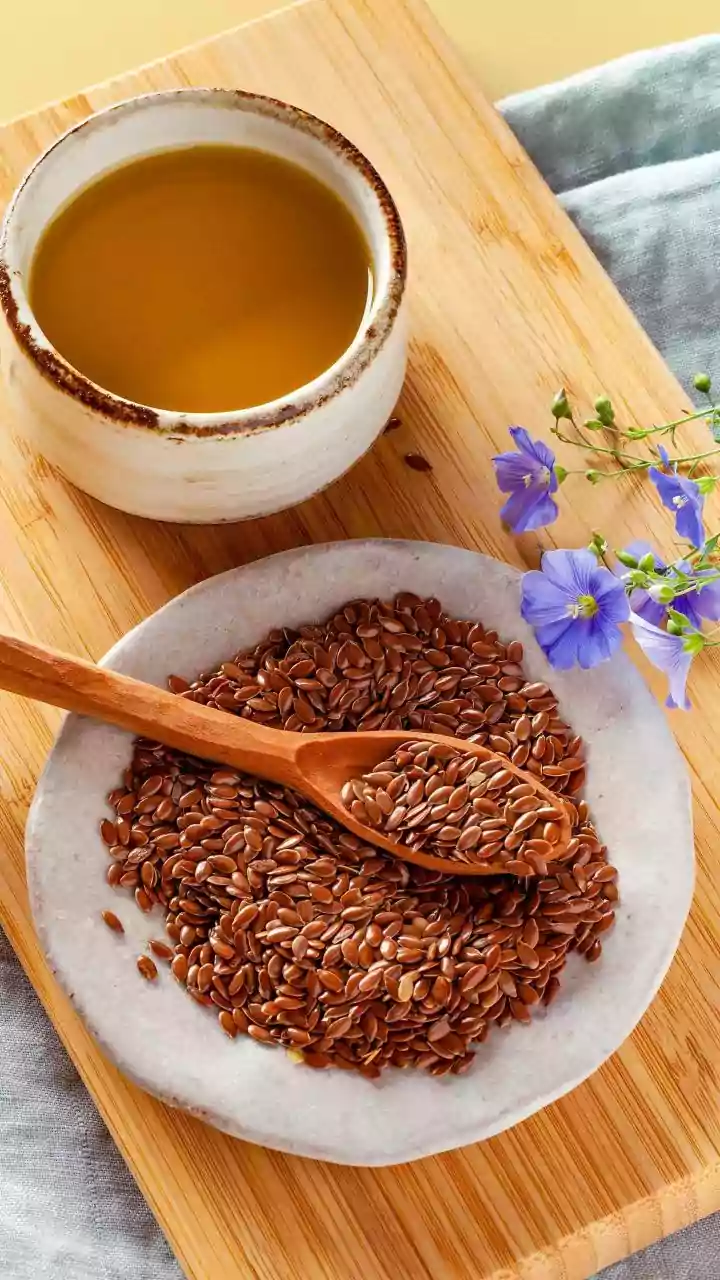
Flaxseeds, known in India as 'alsi', are tiny, oil-rich seeds that have been part of traditional diets for centuries. Often overlooked in modern kitchens, these small brown or golden seeds are one of nature's most concentrated sources of vital nutrients.
While they might look unassuming, they pack a serious punch when it comes to health benefits. For years, they’ve been celebrated in Ayurvedic practices for their warming properties and health-giving qualities. Today, modern nutrition science is catching up, confirming what our grandmothers seemed to know all along: a little bit of alsi goes a long way. But to unlock their full potential, you can't just toss the whole seeds into your food. The secret lies in a simple two-step process: roasting and grinding.
Why Roast and Grind? The Flavour and Nutrition Secret
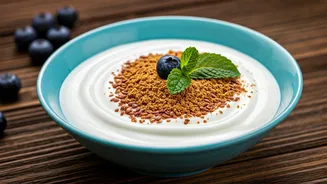
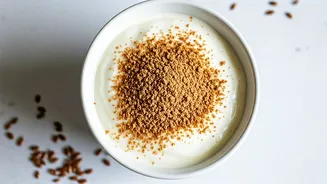
Eating whole flaxseeds is largely ineffective because their tough outer shells prevent your body from digesting them and absorbing their nutrients. They simply pass through your system. Grinding breaks them down, making the good stuff inside—like healthy fats and fibre—bioavailable. So, why roast them first? Roasting does two wonderful things. First, it transforms the flavour from slightly earthy and raw to wonderfully nutty and toasted, making the powder a delicious addition rather than a health chore. This deeper flavour profile beautifully complements the tang of yogurt. Second, light roasting can help reduce anti-nutrients present in the raw seeds, potentially making them even easier to digest. It’s a simple step that elevates both the taste and the nutritional access of this humble superfood.
A Nutritional Knockout for Your Body
So, what exactly are you getting in each spoonful? Flaxseed powder is celebrated for three key components. First, it's one of the best plant-based sources of alpha-linolenic acid (ALA), a type of omega-3 fatty acid crucial for heart and brain health. Second, it is loaded with dietary fibre—both soluble and insoluble. This helps promote digestive regularity, keeps you feeling full for longer, and can aid in managing blood sugar levels. Finally, flaxseeds are the richest known dietary source of lignans, a type of polyphenol with powerful antioxidant properties that help protect your cells from damage. Adding just a tablespoon of this powder to your dahi is an effortless way to incorporate these powerful benefits into your daily diet without drastically changing your habits.
How to Make Your Own Roasted Flaxseed Powder
Making your own powder at home is incredibly simple and ensures maximum freshness. All you need are flaxseeds and a pan. 1. **Heat a heavy-bottomed pan** or kadai on medium heat. There's no need for oil or ghee. 2. **Add the flaxseeds** and dry roast them, stirring continuously to prevent burning. After a few minutes, you’ll hear them start to pop and crackle, and a pleasant, nutty aroma will fill your kitchen. This should take about 3-5 minutes. 3. **Turn off the heat** and transfer the seeds to a plate to cool down completely. This step is crucial, as grinding hot seeds can turn them into a paste. 4. **Grind the cooled seeds** in a coffee grinder or a small mixer jar. Use short pulses to turn them into a coarse, crumbly powder. Avoid over-grinding, which can release too much oil and create a clump.
Beyond the Yogurt Bowl: More Ways to Use It
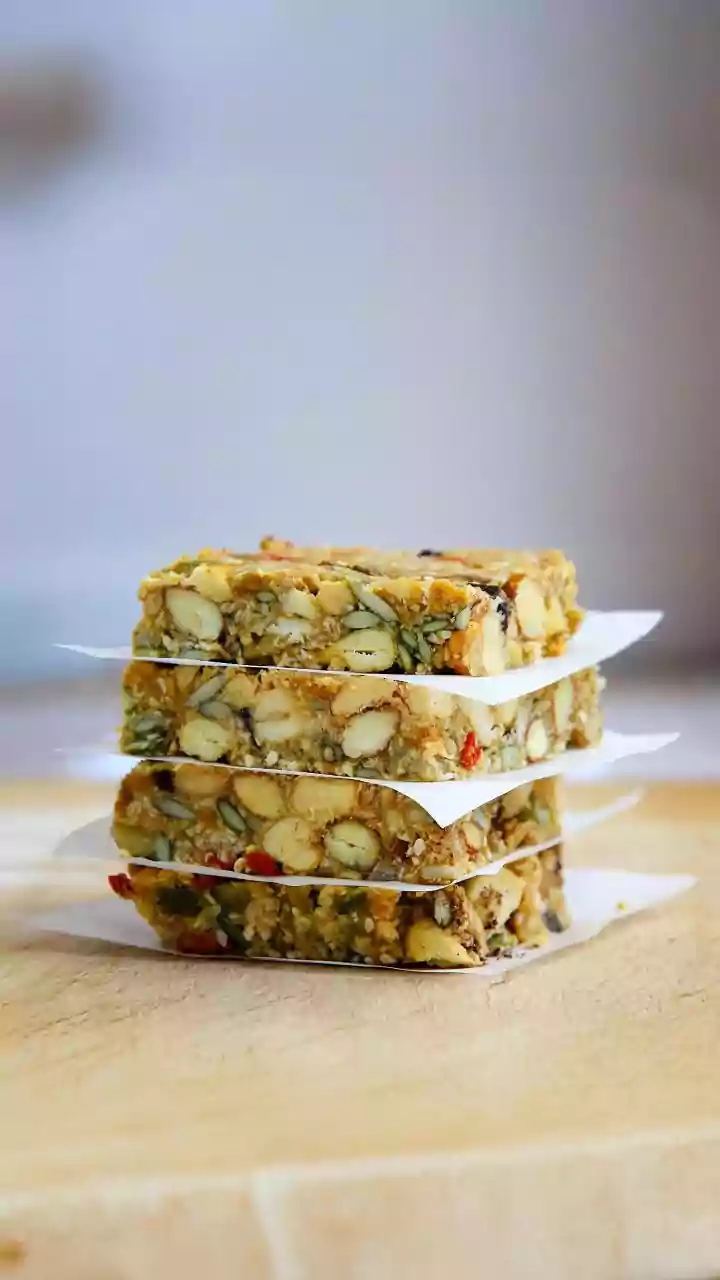
Your daily dahi is just the beginning. The versatility of roasted flaxseed powder is one of its greatest strengths. You can sprinkle it over your morning oatmeal or porridge for a nutty crunch. Mix a tablespoon into your atta when making rotis or parathas to boost their fibre content without altering the texture much. Blend it into smoothies for an invisible hit of omega-3s and fibre. You can even use it as a thickener in chutneys and gravies or as a topping for salads and roasted vegetables. Its mild, pleasant flavour allows it to blend seamlessly into a wide variety of both sweet and savoury dishes.
Storing Your Golden Powder for Freshness
Because flaxseeds are high in delicate omega-3 fats, the ground powder can go rancid if not stored properly. The enemies are light, heat, and air. To preserve its nutritional value and fresh taste, store your homemade powder in an airtight container in the refrigerator. This will keep it fresh for several weeks. It’s best to make small batches that you can use up within a month to ensure you’re always getting the best flavour and the most potent health benefits. This simple storage habit protects your effort and the goodness of the seeds.