





The Annual Pilgrimage
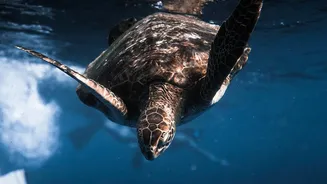
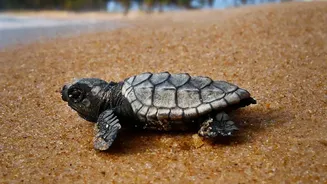
The Olive Ridley sea turtle is one of the smallest and most numerous sea turtles in the world, yet it is classified as a vulnerable species. Every winter, from around October to May, female turtles undertake an incredible journey back to the very beaches
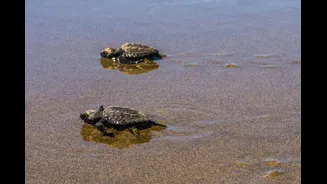
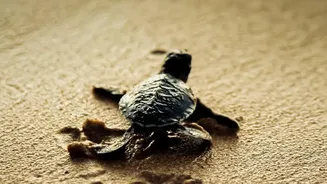
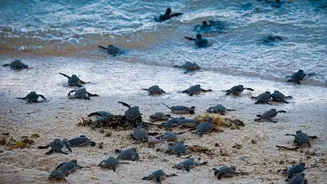
where they were born to lay their eggs. Goa is one of the important solitary nesting sites on India's west coast. This annual nesting is a fragile process. A single female digs a nest in the sand, lays around a hundred eggs, and returns to the sea, leaving the hatchlings to face their perilous journey alone. It is estimated that only one in a thousand hatchlings survives to adulthood, making the protection of these nesting grounds absolutely critical.
Identifying the Key Sanctuaries
Historically, Goa has recognised four key beaches as crucial turtle nesting sites: Morjim and Mandrem in North Goa, and Agonda and Galgibaga in South Goa. These beaches, particularly Morjim, often called 'Turtle Beach', and Galgibaga, have been the focus of conservation efforts for years. However, citing a decline in nesting numbers in recent seasons, the state's Forest Department has proposed a major expansion of these protected zones. The new plan seeks to designate a total of 24 beaches—10 in the north and 14 in the south—as official turtle nesting sites under the Coastal Regulation Zone (CRZ) Notification. This list includes popular tourist destinations like Calangute, Baga, Candolim, and Palolem, signifying a major step-up in the state's conservation policy.
Threats Along the Coastline
The need for stricter protection stems from numerous threats, most of them human-induced. Bright, artificial lights from beach shacks and resorts can disorient nesting females and, more critically, lure newly hatched turtles away from the sea, leading them to exhaustion and predators. Unregulated construction, high-decibel music, and even vehicle movement on the sand can destroy nests or prevent turtles from coming ashore altogether. Furthermore, discarded fishing nets, known as 'ghost gear', and plastic pollution pose a lethal entanglement risk for both adult turtles and hatchlings. By expanding the protected areas, the plan aims to implement stricter controls on these activities during the crucial nesting season.
The Proposed Protection Measures
Under the proposed plan, designated nesting sites would see tighter regulations. This includes controls on artificial lighting, noise levels, and commercial activities like beach shacks, especially at night. The Goa Coastal Zone Management Authority (GCZMA) has previously designated the four main beaches as 'Silence Zones' to minimise disturbance. The new, expanded plan would apply similar principles more broadly. This involves creating buffer zones and potentially restricting development in ecologically sensitive areas. The Forest Department, aided by local volunteers and lifeguards, already patrols beaches, relocates vulnerable eggs to secure hatchery enclosures, and ensures hatchlings are safely released into the sea. The new proposal would strengthen the legal framework for these ongoing efforts.
Balancing Conservation and Livelihoods
The proposal has sparked a conversation among coastal communities. While there is widespread support for protecting the turtles, shack owners and traditional fishing communities have raised concerns about the potential impact on their livelihoods. They seek clarity on what the new regulations will entail, arguing that a blanket ban on activities could be impractical during the peak tourist season, which coincides with the nesting period. Conservationists and authorities acknowledge that community participation is vital for success. The most effective conservation models involve local stakeholders as partners, blending ecological needs with sustainable livelihood practices. The ongoing debate highlights the central challenge: creating a framework where tourism, traditional occupations, and turtle conservation can coexist and mutually thrive.