







When Skin Stays Wet Too Long
Walking around in wet socks and shoes does more than just feel uncomfortable; it weakens your skin's primary defence mechanism. When skin is exposed to moisture for prolonged periods, a process called maceration occurs. Think of how your fingers get pruney
after a long bath. On your feet, this waterlogged state makes the skin soft, white, and fragile. This weakened skin is far more susceptible to friction, leading to painful blisters and chafing. More importantly, it creates tiny breaks in the skin, rolling out the welcome mat for bacteria and fungi that thrive in damp, warm environments like the inside of your shoes.
The Unwanted Guests: Fungal and Bacterial Infections
The most common issue arising from damp feet is Athlete's Foot, or tinea pedis. This fungal infection thrives in the moist spaces between our toes, causing intense itching, redness, and peeling skin. If left unchecked, it can spread to the soles and even the toenails, leading to thick, discoloured, and brittle nails (onychomycosis). But fungi aren't the only problem. Bacteria also flourish in these conditions. One common bacterial infection is pitted keratolysis, which causes small, crater-like pits on the soles of the feet and is notorious for producing a strong, unpleasant odour. These infections are not just minor irritations; they can cause significant discomfort and are often stubborn to treat.
The Art of Properly Drying Your Feet
Preventing these issues starts with one simple, crucial step: thorough drying. It’s not enough to give your feet a quick wipe. After washing your feet or getting them wet in the rain, take a clean, dry towel and be meticulous. The most critical area is the space between each toe, as this is where moisture is most likely to get trapped, creating a perfect breeding ground for fungi. Gently pat the skin dry rather than rubbing aggressively, especially if the skin is already macerated. Once your feet are completely dry, let them air out for a few minutes before putting on socks and shoes. This small habit significantly reduces the risk of creating a damp environment where microbes can multiply.
Choosing the Right Gear for the Season
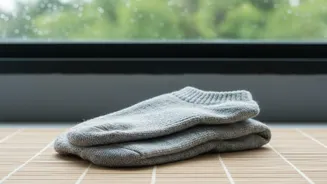
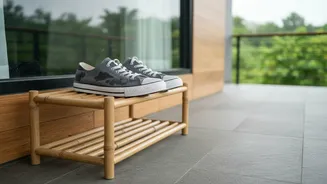
Your choice of footwear and socks plays a massive role in foot health during the monsoon. Opt for open-toed, waterproof footwear like sandals or floaters when possible, as they allow for better air circulation and faster drying. If you must wear closed shoes for work or school, choose materials that are breathable. Always have a spare pair of dry socks on hand. Cotton socks can hold moisture, so consider synthetic, moisture-wicking materials instead. If your shoes get soaked, don't wear them the next day. Stuff them with newspaper to absorb moisture and allow them to dry completely before wearing them again. Using an antifungal powder in your shoes can also help absorb excess moisture and prevent fungal growth.
Daily Habits for Healthy Monsoon Feet
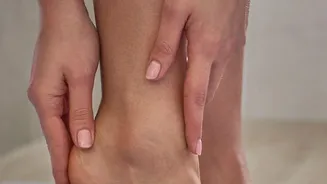
Incorporate a few extra steps into your daily routine to keep your feet in top condition. Inspect your feet daily for any signs of redness, peeling, or cracks, especially between the toes. After a long day, wash your feet with mild soap and warm water, and then dry them thoroughly. While moisturising is important to prevent cracked heels, avoid applying lotion between your toes, as this can trap moisture. Finally, never share towels, socks, or footwear, as this can easily spread fungal infections from one person to another. These simple, consistent actions are your best defence against the common foot problems that the rainy season brings.