






The Mandatory Move to Digital Arrival Cards
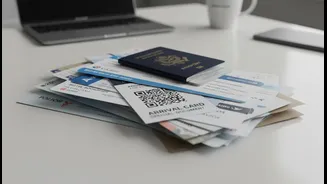
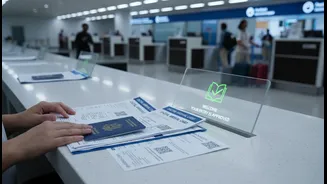
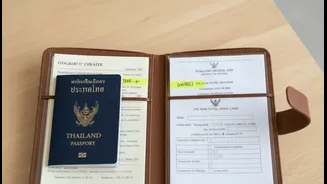
The era of fumbling for a pen to fill out a paper form mid-flight is over. Thailand has fully transitioned from the old paper-based TM6 form to the mandatory Thailand Digital Arrival Card (TDAC). This is not a visa but an electronic registration that
all foreign nationals must complete before arriving in the country, whether by air, land, or sea. The process is free and must be done via the official TDAC portal within 72 hours of your arrival. Once you submit your passport details, travel information, and accommodation address, you'll receive a QR code via email. This code is essential and will be scanned by immigration officers upon your arrival. Be wary of scam websites charging a fee for this service. The implementation of the TDAC is part of a broader push to digitise and streamline the entry process, enhancing both efficiency and security at the border.
Visa Status: No More Assumptions
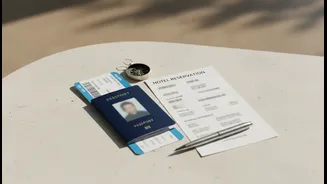
The visa landscape for Indian travellers has seen some changes. After a period of visa-free entry, the rules have been updated. As of mid-2026, Indian passport holders generally need to obtain a Visa on Arrival (VoA) for stays of up to 15 days, which involves a fee. The previous 60-day visa exemption scheme was revised as part of a broader immigration overhaul. This makes it vital to check the latest requirements before you book your travel. Immigration authorities are also applying greater scrutiny to combat visa misuse, such as individuals using back-to-back tourist entries to live and work in the country illegally. Having a confirmed return ticket, proof of accommodation, and a clear travel itinerary is no longer just a suggestion—it's a near necessity to prove your visit is for genuine tourism purposes.
The Proof-of-Funds Reality Check
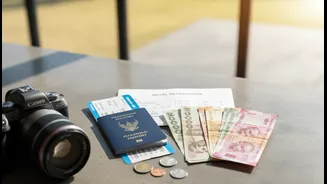
One of the most talked-about requirements is the proof-of-funds check. While this is not a new rule—it has been on the books for decades—its enforcement has become noticeably stricter. In early July 2026, the Tourism Authority of Thailand (TAT) issued an official reminder for travellers to be prepared to show they have sufficient funds for their stay. For those entering on a Visa on Arrival, the requirement is typically THB 10,000 per person or THB 20,000 per family. This can be in Thai Baht, an equivalent foreign currency, or other forms of proof of access to funds. While checks are still somewhat random, you should not risk being unprepared. Officials are using this check as a tool to filter genuine tourists from those who may be planning to work illegally or overstay their visa. Keep the funds or proof readily accessible in your carry-on, not in your checked luggage.
Why the Increased Scrutiny Now?
The increased emphasis on these checks isn't arbitrary. It signals a strategic shift in Thailand's approach to tourism. The country is moving towards a more managed model that prioritises 'quality tourism' over sheer volume. The goal is to streamline legal entry while curbing issues like illegal immigration, overstayers, and individuals working without proper permits. The digital arrival card system allows for better data collection and pre-screening of travellers. The stricter checks on visa status and funds help ensure that visitors can support themselves during their trip and intend to comply with the terms of their stay. This crackdown on loopholes, especially the misuse of visa runs, is part of a national directive to enhance security and maintain the integrity of the immigration system. For the average tourist, these measures are not meant to be a deterrent but a way to ensure a safer and more orderly experience for everyone.