
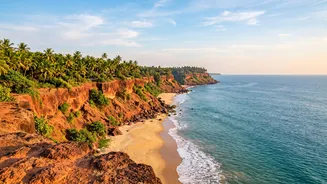
The Vibe: Wellness Hub vs. Rustic Retreat
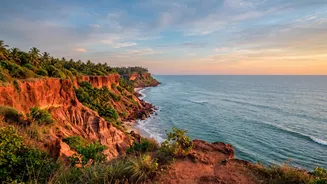
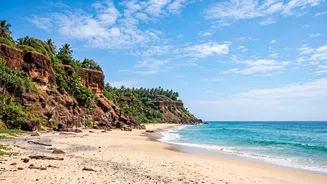
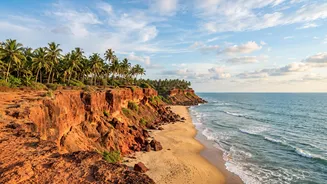
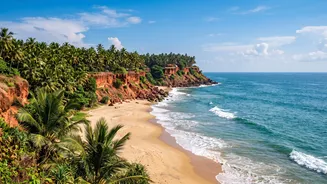
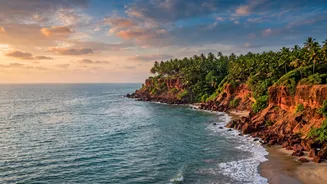
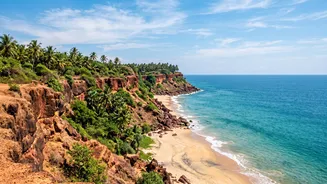
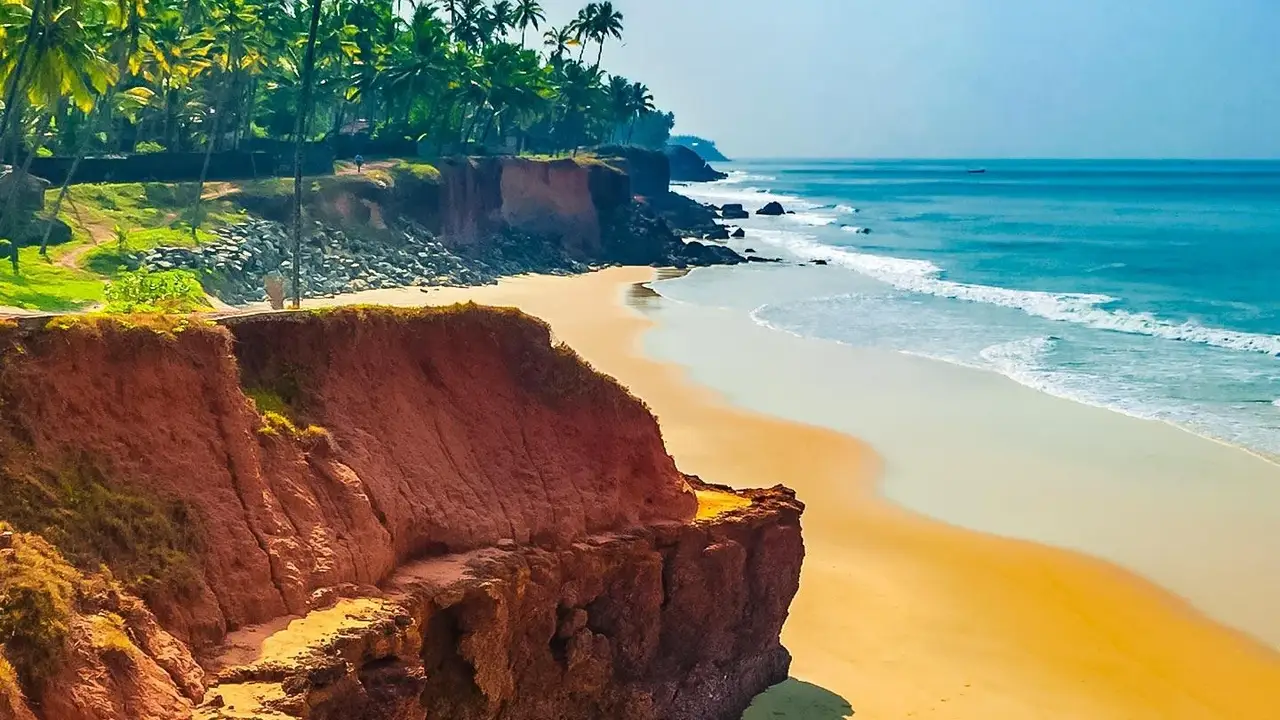
Choosing between Varkala and Gokarna often comes down to the atmosphere you seek. Varkala, perched on Kerala's dramatic red cliffs, has a distinct bohemian-chic feel. It's a magnet for yogis, wellness enthusiasts, and international travelers, creating
a social and cosmopolitan environment. The main cliff is a bustling promenade of cafes, shops, and yoga studios, making it easy to meet people and find activities. In contrast, Gokarna in Karnataka offers a more rustic and tranquil experience. Traditionally a Hindu pilgrimage site, it has retained a laid-back, backpacker-and-pilgrim vibe. Life here is slower, the beaches feel more secluded, and the overall mood is one of quiet solitude, appealing to those who want to disconnect from the hustle.
Digital Office: Connectivity and Cafes
For any workation, connectivity is non-negotiable. Varkala has a clear advantage here, with more reliable infrastructure. Many cafes along the cliff offer surprisingly solid Wi-Fi, with spots like AUM Cafe, Coffee Temple, and Cafe Kaapi becoming popular hubs for digital nomads. These places often provide power outlets and a work-friendly atmosphere. Additionally, fibre broadband services from providers like Airtel are available, offering speeds up to 100 Mbps or more for longer-term stays. Gokarna's connectivity is improving but can be less consistent. Remote workers often rely on a handful of cafes with Wi-Fi, such as Namaste Café, or use mobile hotspots. While major networks like Jio and Airtel offer decent coverage, power cuts can be more frequent, so having a backup power bank is wise. Gokarna is better suited for deep work that doesn't depend on constant, high-speed uploads.
Accommodation on a Shoestring
Both towns excel at providing budget-friendly lodging. In Varkala, you can find furnished homestays for a month for around ₹25,000 if you look slightly away from the main cliff. Hostels and guesthouses are plentiful, with prices that become more affordable the longer you stay. For the absolute lowest costs, Gokarna often comes out slightly cheaper. It is famous for its simple beach huts and budget guesthouses. Hostels like Zostel and Trippr offer affordable dorm beds and private rooms, fostering a communal atmosphere perfect for solo travelers. In both locations, booking a place for a few days and then searching for a long-term rental in person is a smart strategy to find the best deals.
Daily Costs and Local Living
Your daily expenditure will be low in both destinations, but your lifestyle will dictate the final bill. In Varkala, eating at the cliffside cafes catering to tourists is pricier, with meals costing between ₹300 and ₹500. However, just a short walk or scooter ride into Varkala town unlocks local eateries where you can eat for much less. Gokarna is generally considered more pocket-friendly, especially for food. Its beach shacks and local restaurants offer delicious meals at lower prices, with some long-term travelers managing on an average of just ₹500 per day. Local transport in Varkala is more organized with auto-rickshaws often using meters, while in Gokarna, prices can be higher between beaches, making trekking or renting a scooter a more economical choice.
Beyond the Laptop: Unwinding and Exploring
A workation is also about the 'vacation'. Varkala offers a wealth of organised activities. You can take up surfing lessons, join daily sunset yoga classes, walk the scenic cliff path, or indulge in Ayurvedic treatments. Gokarna’s leisure is more rugged and self-directed. The main activity is beach-hopping, with popular treks connecting Kudle Beach, Om Beach, and the secluded Paradise Beach. The vibe encourages slowing down, reading a book in a hammock, or joining a spontaneous beachside meditation group. Varkala provides more structured wellness and social options, while Gokarna is a paradise for those who prefer quiet exploration and natural beauty.