


More Than Just Saving Scraps
The conversation around food in urban Indian households is changing. For millennials, the generation that grew up amidst economic liberalisation and the digital boom, the kitchen has become a new frontier for self-expression and value alignment. Zero-waste
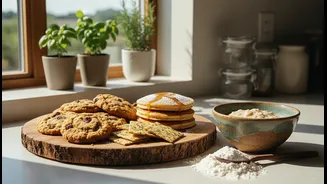
baking, a practice focused on using every part of an ingredient, has emerged as a focal point. It’s a philosophy that goes beyond simply composting peels; it’s about transforming what was once considered waste—fruit skins, vegetable pulp, and even whey from making paneer—into delicious, innovative baked goods. This movement is a direct response to a growing consciousness about food waste, with reports highlighting that Indian households generate significant amounts of discarded food annually. For many, this isn't just about being eco-friendly; it's a creative challenge to make the most of what they have.
The Economic Imperative
In major metropolitan hubs, where the cost of living continues to climb, financial prudence is a powerful motivator. Persistent food inflation has shaped household spending, forcing consumers to find clever ways to stretch their budgets. Zero-waste baking directly addresses this economic pressure. Using the whole ingredient means getting more value for money, a logic that resonates deeply with young professionals managing tight finances. Practices like turning stale bread into a bread pudding, using sour milk for cakes, or making stock from vegetable peels are both resourceful and economical. This frugal mindset is being reframed as a smart, modern approach to home economics, rather than a sign of scarcity. It’s about being resourceful by choice, not just by necessity.
A Modern Twist on Traditional Wisdom
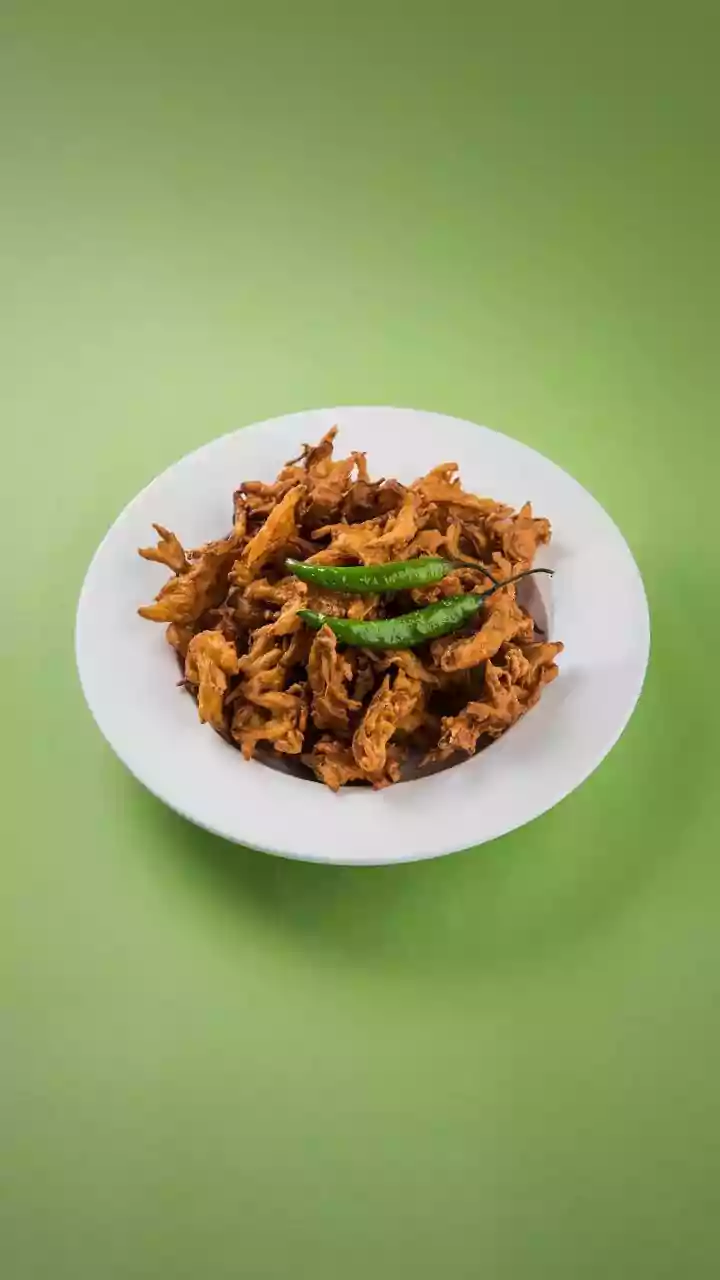
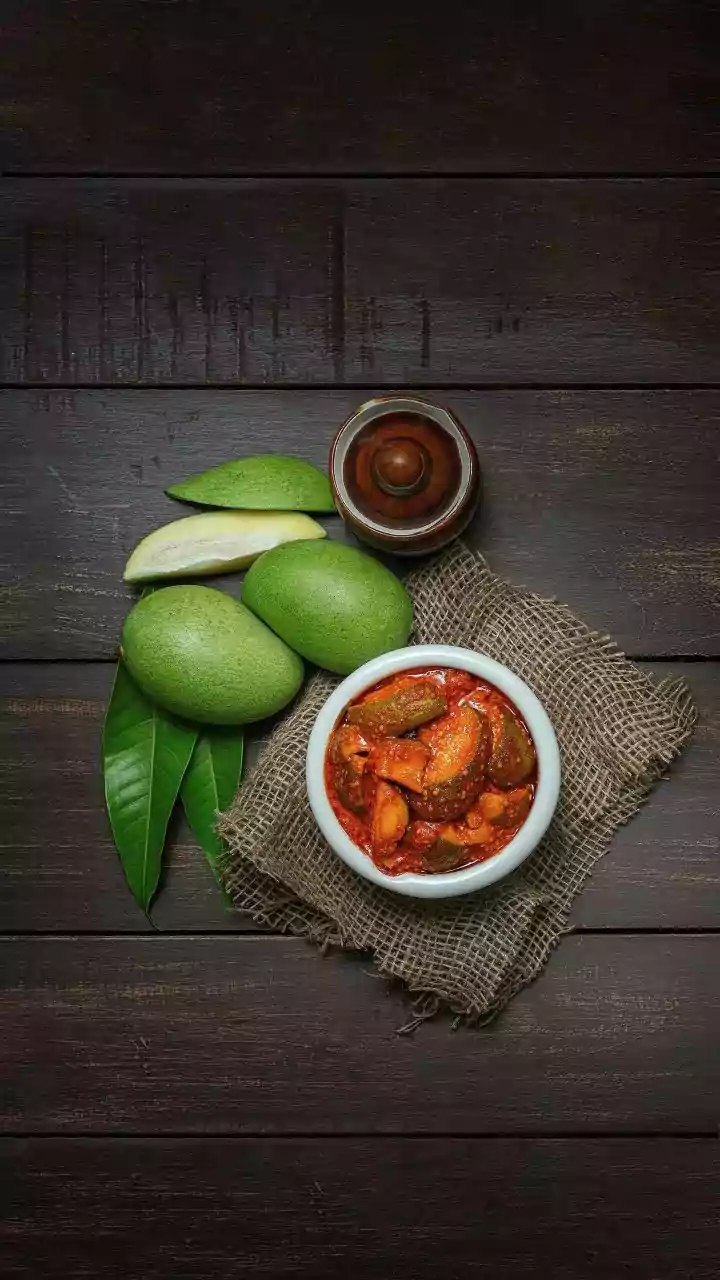
While the term 'zero-waste' is modern, the principle is deeply rooted in Indian culinary heritage. For generations, Indian kitchens have operated on a philosophy of 'waste not, want not'. Grandmothers and mothers were experts at turning peels, stems, and seeds into pickles, chutneys, and side dishes. Today’s millennials are rediscovering and reinterpreting this ancestral wisdom for the modern palate. They are taking traditional techniques and applying them to contemporary baking, like using watermelon rinds to make tutti-frutti for cakes or using the woody stems of cauliflower in savoury muffins. This revival connects them to their roots while allowing them to innovate, creating a powerful blend of nostalgia and novelty.
The Social Media Showcase
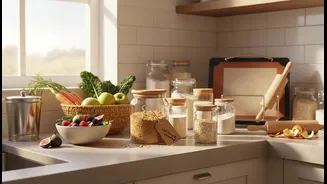
A trend's dominance in millennial conversations is almost always amplified by social media. Platforms like Instagram and YouTube have become virtual classrooms and showcases for zero-waste bakers. Visually appealing reels demonstrating how to turn potato peels into crispy, baked chips or how to create a rich cake from overripe bananas garner millions of views. The aesthetic is key: neatly organised pantries, beautifully plated dishes made from scraps, and time-lapses of creative transformations make sustainability look aspirational and chic. This digital ecosystem provides not just inspiration but also a sense of community, where users share their own hacks and celebrate each other's resourcefulness. For many, a successful zero-waste creation is not just a personal victory but also shareable content that reinforces their identity as conscious consumers.