


The Green Belief We All Bought Into
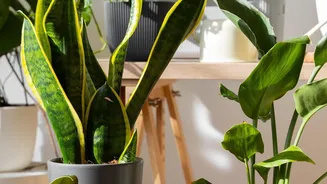
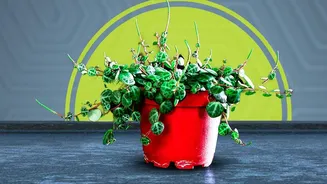
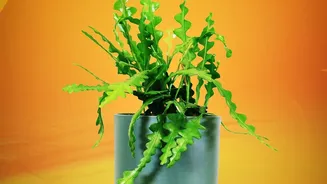
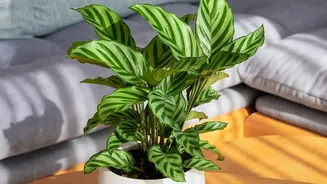
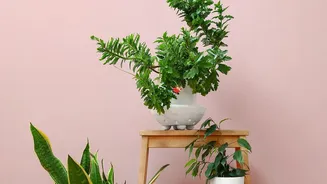
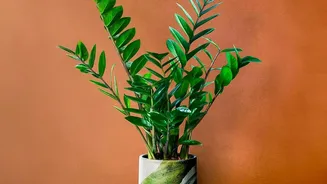
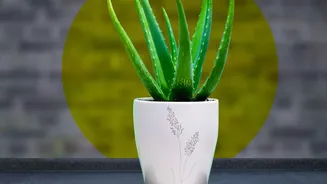
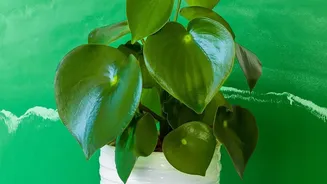
For decades, we’ve been told that bringing plants indoors is a brilliant, natural way to clean the air. This popular belief suggests that common houseplants are tiny green machines, diligently scrubbing harmful pollutants like formaldehyde and benzene
from our living spaces. This idea is so widespread that entire shopping decisions are based on it, with consumers seeking out specific “air-purifying” plants. The promise is simple and powerful: a beautiful home that is also a healthier one, thanks to a few well-placed pots. This narrative combines aesthetics with wellness, making it an easy and attractive concept for anyone looking to improve their home environment.
It All Started with a NASA Study
The origin of this belief can be traced back to a landmark 1989 NASA study. Faced with the challenge of keeping the air clean in sealed space stations, researchers tested the ability of common houseplants to remove volatile organic compounds (VOCs) from the air. In small, sealed laboratory chambers, they found that certain plants could indeed absorb pollutants like formaldehyde and benzene. The results were compelling and captured the public imagination. Lists of the best “NASA-approved” air-purifying plants, like Spider Plants and Peace Lilies, became a staple in lifestyle magazines and blogs, cementing the idea that what works for a space station must surely work for a living room.
New Science Adds a Dose of Reality
Here’s the twist: while the NASA study wasn't wrong, its findings don’t really apply to a typical home or office. More recent analyses and reviews of decades of research have put those early findings into perspective. A 2019 review concluded that for houseplants to significantly clean the air, the numbers required are staggering. Researchers calculated you would need anywhere from 10 to 1,000 plants per square meter of floor space to compete with a building's natural air exchange rate. In a standard 1,500 square foot home, that could mean needing nearly 700 plants to achieve a noticeable effect. The reality is that the normal ventilation in your home—from opening windows and doors or through an HVAC system—dilutes and removes pollutants far more effectively and quickly than a handful of plants ever could.
So, Should You Ditch Your Plants?
Absolutely not! Just because they aren't the air-purifying superheroes we thought they were doesn't mean they are useless. The benefits of having plants indoors are numerous and well-documented. Studies have shown that interacting with indoor plants can reduce stress, improve mood, and increase productivity and concentration. They bring a piece of nature indoors, which has a calming and restorative effect on our mental well-being. The simple act of caring for a living thing can be deeply rewarding. So, while they may not be scrubbing the air clean, they are certainly making our homes more beautiful, peaceful, and pleasant places to be.
Smarter Ways to Freshen Your Home
If clean air is your primary goal, it's better to focus on strategies that are proven to be effective. The single best thing you can do is improve ventilation. Open your windows and doors regularly to allow fresh air to circulate and flush out indoor pollutants. Use exhaust fans in kitchens and bathrooms to remove moisture and contaminants at the source. Regular cleaning, including dusting and vacuuming with a HEPA filter, can significantly reduce particulate matter. Be mindful of the products you bring into your home, opting for low-VOC paints and furniture when possible. For those with serious concerns about air quality or with respiratory sensitivities, a high-quality mechanical air purifier with a HEPA filter is a far more effective solution than a jungle of houseplants.