




The crisp winter air has settled over Central India, and with it comes the reopening of two of the country's most treasured wildernesses. For wildlife lovers, this is the season of magic in Madhya Pradesh's iconic national parks.
Why Winter Is Prime Time for Safaris
The winter months, from
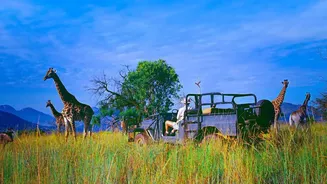
roughly October to February, are widely considered the best time for a wildlife safari in Central India. Following the monsoon, the landscape is refreshed, lush, and green. The weather is cool and pleasant, making the open-jeep safaris comfortable, especially during the crisp early mornings and golden afternoons. More importantly, the cooler temperatures mean animals are more active throughout the day. Tigers, leopards, and sloth bears, which often retreat into dense cover during the summer heat, are more likely to be seen walking along forest tracks or basking in the sun. Furthermore, as winter progresses, the vegetation begins to thin out, improving visibility and making it easier to spot wildlife from a distance. It is also a fantastic season for birdwatching, as many migratory species arrive to spend the winter, adding to the parks' already rich avian diversity.
Bandhavgarh: The Kingdom of the Tiger
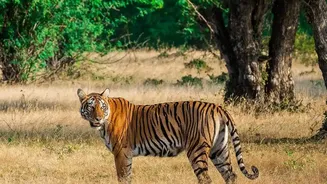
Bandhavgarh National Park has earned a legendary reputation for having one of the highest densities of tigers in India. This makes it a top destination for those whose primary goal is to see the magnificent Royal Bengal Tiger. A popular saying among guides is, 'In any other park, you are lucky if you see a tiger. In Bandhavgarh, you are unlucky if you don't'. The park’s compact size and rugged, hilly terrain, with ancient ruins and a fort creating a dramatic backdrop, contribute to more frequent sightings. Safaris in zones like Tala and Magadhi are particularly famous for tiger encounters. Beyond tigers, Bandhavgarh is home to leopards, sloth bears, sambar deer, spotted deer, and a healthy population of gaur (Indian bison), which were successfully reintroduced from Kanha.
Kanha: Kipling's Jungle and a Conservation Icon
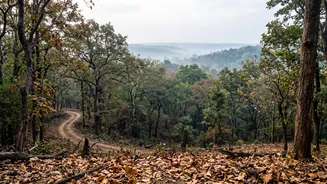
While Bandhavgarh offers dramatic tiger sightings, Kanha National Park provides a more expansive and holistic jungle experience. Its vast meadows, or 'maidans', interspersed with dense sal forests, are believed to have inspired Rudyard Kipling’s 'The Jungle Book'. Photographers and nature lovers are often captivated by the cinematic landscapes, especially in the misty morning light. Kanha is celebrated not just for its healthy tiger population but for its incredible biodiversity. It is the only place in the world where the hard-ground barasingha (swamp deer) is found. This species was brought back from the brink of extinction by decades of dedicated conservation efforts at Kanha, with its population growing from just 66 in the 1970s to over 1000 today. Visitors can also frequently spot leopards, wild dogs (dholes), and sloth bears.
Planning Your Winter Wildlife Adventure
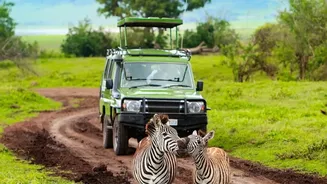
Both parks typically open their core zones around mid-October after the monsoon closure. Winter is peak season, so it is crucial to plan well in advance. Safari permits, especially for popular zones, should be booked online at least 60 to 120 days ahead, as they sell out quickly. Accommodation, ranging from luxury lodges to budget-friendly resorts, should also be secured early. For a winter safari, packing is key. Early morning game drives in an open jeep can be extremely cold, so dress in warm layers, including a jacket, cap, and gloves. Neutral-coloured clothing is recommended to blend in with the surroundings. Remember to carry essentials like binoculars for better viewing, sunscreen, and of course, your camera to capture the unforgettable moments.