

The Rise of Light Pollution
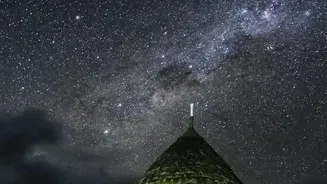
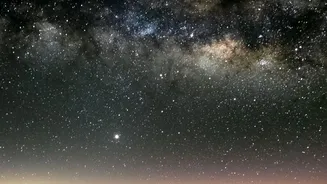
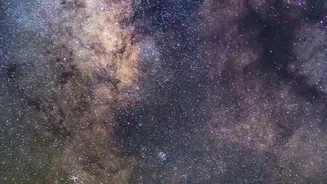
For most of human history, a clear view of the Milky Way was a universal experience. Today, for an estimated 80% of people, it's a rarity. The culprit is light pollution — the excessive and misdirected artificial light from cities and towns that creates
a persistent 'sky glow', washing out all but the brightest celestial objects. This isn't just a loss for amateur astronomers; it disrupts the natural cycles of nocturnal wildlife, impacts human health, and severs a long-standing connection to the cosmos. Recognizing this, a global movement to preserve natural darkness has gained momentum, leading to the designation of protected 'dark sky' areas around the world.
What is a Dark Sky Park?
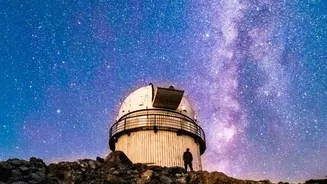
A Dark Sky Park is an area, typically around a park or observatory, that has exceptional starry nights and a protected nocturnal environment. These are places officially certified by bodies like DarkSky International for their commitment to combating light pollution through responsible lighting policies, public education, and conservation efforts. The goal is to create a sanctuary for darkness, allowing ecosystems to thrive naturally and providing a pristine canvas for stargazing. India has already seen success with this model. Pench Tiger Reserve in Maharashtra became the country's first Dark Sky Park, demonstrating a powerful combination of wildlife protection by day and celestial preservation by night.
Maharashtra’s Celestial Blueprint
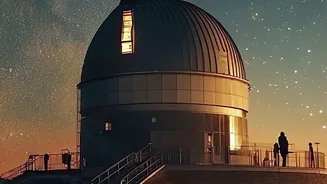
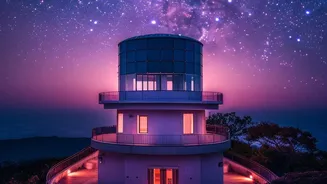
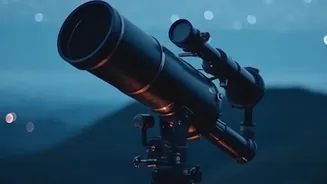
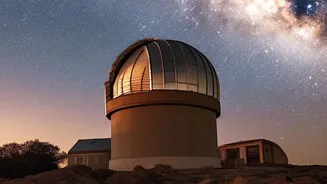
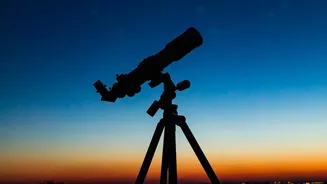
Building on this concept, the Maharashtra government has launched an ambitious 'Dark Sky' policy to develop a network of astro-tourism destinations. As part of its Vikasit Maharashtra 2047 vision, the state has identified 11 potential locations for development. While the headline mentions Udmal, which is a tribal village in Nashik on the list, the project is a statewide initiative. Other key sites include the famous Lonar Crater Lake, parts of the Sahyadri ranges, and areas near the Tadoba-Andhari and Pench Tiger Reserves. The plan involves not just promoting these areas but also developing infrastructure like observatories, viewing stations with telescopes, and eco-friendly accommodations, all while implementing strict lighting controls to protect the darkness.
The Boom in Astro-Tourism
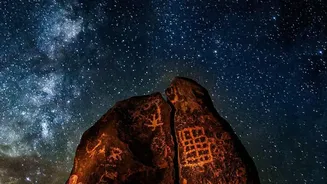
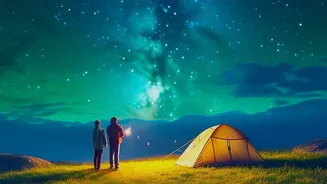
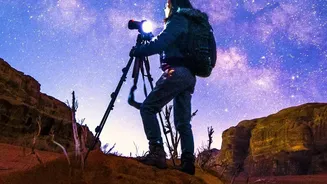
This investment is tapping into one of the fastest-growing niches in travel: astro-tourism. It's a form of tourism that brings visitors to remote, dark locations to experience the night sky through activities like guided stargazing, astrophotography workshops, and meteor shower viewings. The appeal is multi-fold. It offers a unique, screen-free experience that connects travellers with nature in a profound way. For rural communities, it provides a powerful engine for sustainable economic development. Astro-tourism creates local jobs for guides and hospitality workers, encourages the preservation of cultural heritage related to the stars, and diversifies the local economy without requiring heavy, disruptive infrastructure.
More Than Just Pretty Stars
The benefits of Maharashtra's policy extend far beyond tourism revenue. By actively managing light pollution, the state is protecting biodiversity. Many species of birds, insects, and mammals rely on natural darkness for navigation, foraging, and mating, and artificial light can be severely disorienting. Furthermore, the initiative aims to foster scientific temperament and astronomy education across the state. The new sites will serve as educational hubs, offering workshops and sessions for students and the public. This creates a virtuous cycle: tourism funds conservation and education, which in turn deepens the appreciation for the natural world and the night sky.