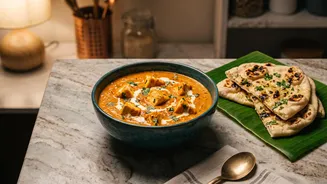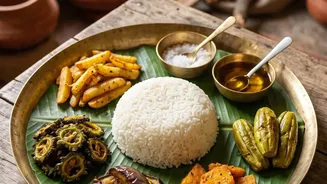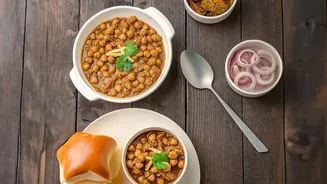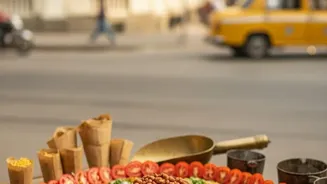


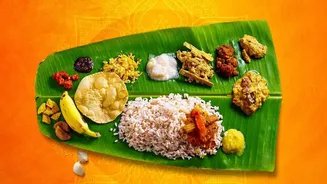
Ever scrolled a food app and stumbled upon Litti Chokha or Naga Smoked Pork next to the usual Butter Chicken? This isn't just a menu update; it’s a delicious revolution, as regional dishes find a new, hungry audience in India's biggest cities.
A Taste of Home, Miles Away
The story
of India's shifting palate begins with migration. For decades, young professionals have moved from their hometowns to metropolitan hubs for education and careers. While they embraced new lives, they deeply missed the flavours of home—dishes that weren't available in the generic 'North Indian' or 'South Indian' restaurants that dominated the urban landscape. This created a powerful, untapped demand. Cravings for the smoky sattu of Bihari litti, the pungent mustard oil in a Bengali fish curry, or the subtle spices of an Assamese khar were more than just about hunger; they were about nostalgia and identity. In cities like Delhi, Bengaluru, and Mumbai, migrant communities formed pockets, creating the first ecosystems where these foods could be shared and sold, initially on a small, informal scale among familiar faces.
From Home Kitchens to Cloud Kitchens
Technology turned this quiet craving into a booming business. The rise of social media and food delivery apps has been a game-changer for culinary entrepreneurs. Suddenly, a home chef with a mastery of their grandmother's recipes could reach thousands of customers without the massive investment of a traditional restaurant. Cloud kitchens, operating out of small, low-rent spaces, became launchpads for hyper-regional brands. Platforms like Zomato and Swiggy democratised the market, giving a small Bihari or Naga food business the same digital shelf space as a multinational pizza chain. This digital infrastructure not only connected supply with demand but also provided a space for storytelling, allowing chefs and restaurateurs to educate customers about the history and cultural significance of their food through Instagram pages and online menus.
An Appetite for Authenticity
The trend isn't driven solely by migrants. A new generation of urban Indian diners, tired of the same-old options, is actively seeking out new and authentic culinary experiences. Food bloggers and social media influencers play a crucial role here, demystifying once-unfamiliar cuisines and building excitement around them. What was once dismissed as 'smelly' or 'unusual', such as dishes with fermented bamboo shoots or pungent axone (fermented soybeans) from Nagaland, is now celebrated for its unique flavour profile. This curiosity has paved the way for restaurants to move beyond token representation and dive deep into regional specialities. Diners are no longer just ordering 'Northeastern food'; they are seeking out specific tribal dishes, learning the difference between Maithil and Bhojpuri cuisine, and exploring the coastal nuances of Malvani cooking.
The Dishes Leading the Charge
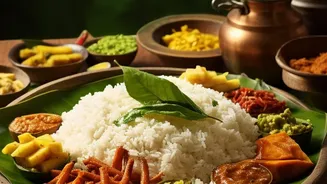
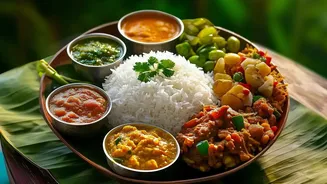
Several cuisines have become stars of this movement. Bihari food, once stereotyped as just Litti Chokha, is now being celebrated for its rich diversity, with dishes like Champaran Mutton and Ahuna Mutton finding premium spots on menus in Delhi and Gurugram. Similarly, Naga cuisine has seen a surge in popularity, with dozens of eateries in Delhi alone serving everything from smoked pork with axone to fiery chicken curries. This newfound recognition goes beyond just restaurants. Chef Aketoli Zhimomi, whose restaurant Ethnic Table won 'Best Indian Restaurant' in the regional category at the NDTV Food Awards 2026, noted that such platforms help bring Naga food into the national spotlight. Cuisines from Assam, with its light and herby preparations like Masor Tenga (sour fish curry), and Odisha are also gaining followers, introducing diners to a subtler, yet complex, side of Indian food.