



A Continent-Wide Meltdown
In late 2026, a bizarre wave of cyberattacks swept across Europe. It started in France, affecting up to 700 supermarkets, and quickly spread to at least a dozen other countries, including Germany, Sweden, Belgium, and Ireland. The targets were not registers
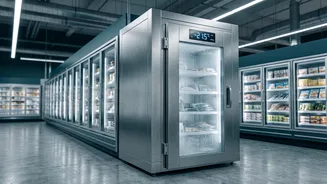
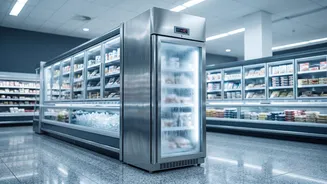
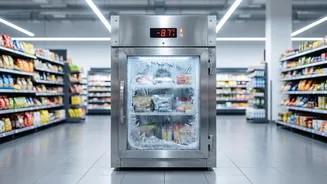
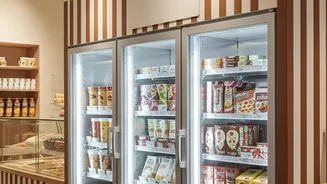
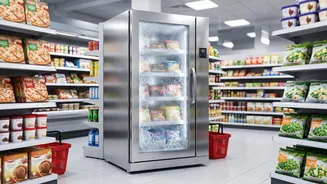
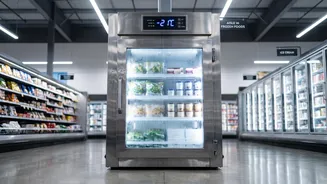
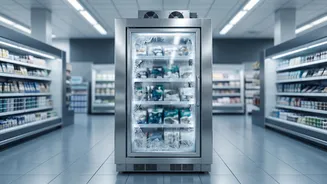
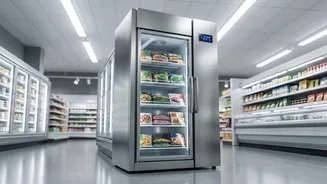
or databases, but commercial refrigeration systems. Attackers remotely seized control of freezers and refrigerators, overriding their settings to raise temperatures dramatically—in some cases to 50°C (122°F). The attacks were often timed for the middle of the night, disabling alarms and ensuring maximum damage before they were discovered. The result was millions of euros in spoiled meat, dairy, and frozen goods, forcing stores to discard entire inventories.
Why Connect a Freezer to the Internet?
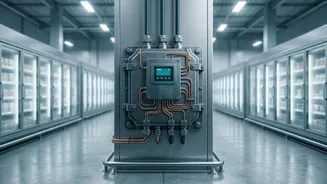
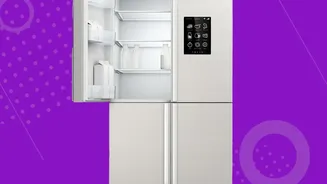
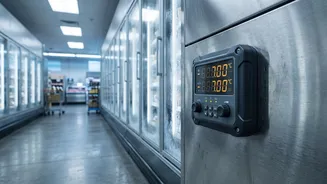
The idea of an 'internet-connected' freezer might seem strange, but for large retailers, it’s a matter of efficiency and cost-saving. These systems, part of the 'Internet of Things' (IoT), allow chains to remotely monitor temperatures across hundreds of stores from a central hub. This helps ensure food safety, predict maintenance needs, reduce energy costs, and allow technicians to fix faults without being physically present. It's an operational advantage that saves money and reduces food waste—until it becomes a liability. This reliance on connected 'operational technology' (OT) is what turned a piece of store equipment into a gateway for chaos.
The Open Door: How Hackers Got In
The vulnerability was not a sophisticated, state-of-the-art exploit. On the contrary, it was disturbingly simple. Security experts and authorities quickly determined that the attackers gained access through basic security failures. Many of the compromised refrigeration controllers were connected directly to the public internet, often secured with weak, guessable, or even default manufacturer passwords. Furthermore, many of these systems were older models that no longer received software or security updates, a problem known as 'technical debt'. It wasn't a case of breaking down a reinforced wall; it was like walking through a door that had been left wide open.
Motive and Mayhem
The precise motive remains unclear, but the impact was clear: disruption. EU officials called it a 'deliberate attempt to disrupt our food supply chain'. Unlike typical ransomware attacks where criminals demand payment, these incidents seemed focused on causing direct, physical damage and financial loss. The attacks demonstrate a worrying trend where cyber threats move beyond data theft to create real-world consequences. By targeting a critical part of the food supply chain, the attackers sowed chaos and undermined consumer confidence, proving that even the most mundane connected device can be weaponized.
A Wake-Up Call for the IoT Age
While no consumers were directly harmed and authorities stated the food supply was not at risk, the freezer hacks serve as a powerful cautionary tale. They highlight a fundamental challenge of the IoT era: convenience and connectivity often outpace security. Many IoT devices, from commercial systems to home gadgets, are designed with functionality as the top priority, with security as an afterthought. The incidents prompted warnings from government agencies, including in the U.S., urging all industries relying on commercial refrigeration—from grocery stores to hospitals—to immediately review their security practices. The advice was straightforward: change default passwords, disconnect systems from the public internet where possible, and keep software updated.