

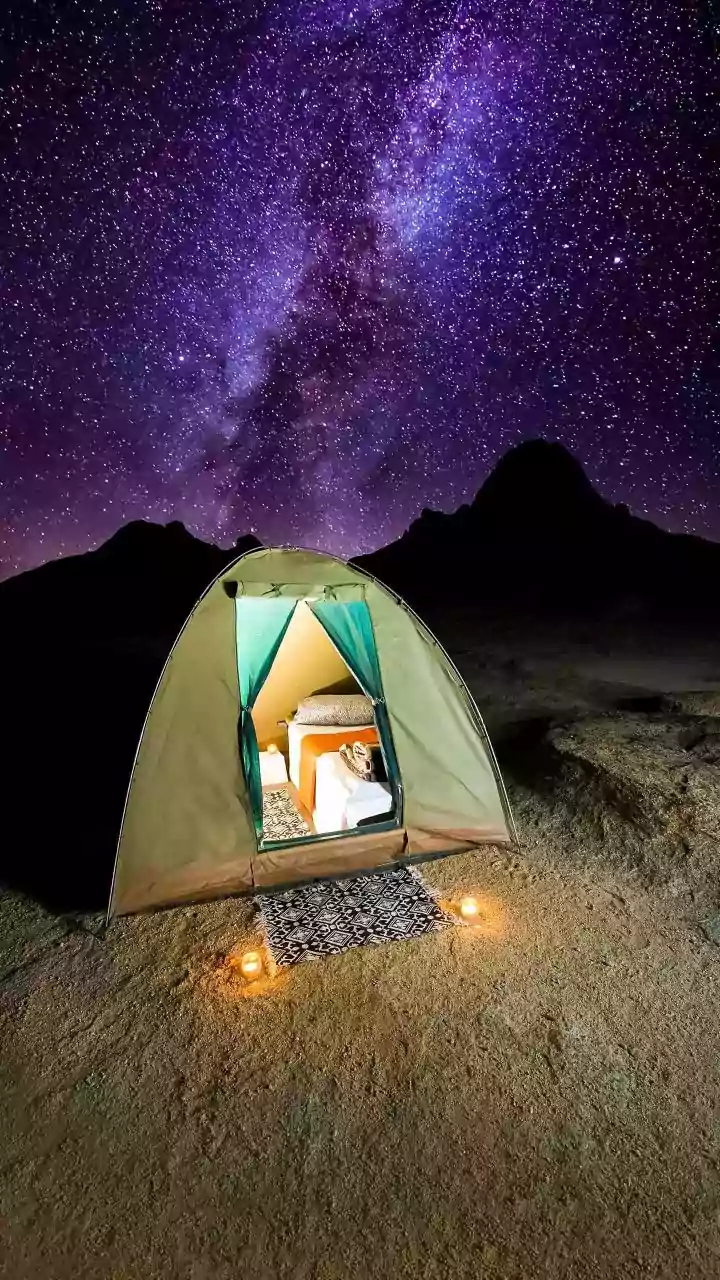
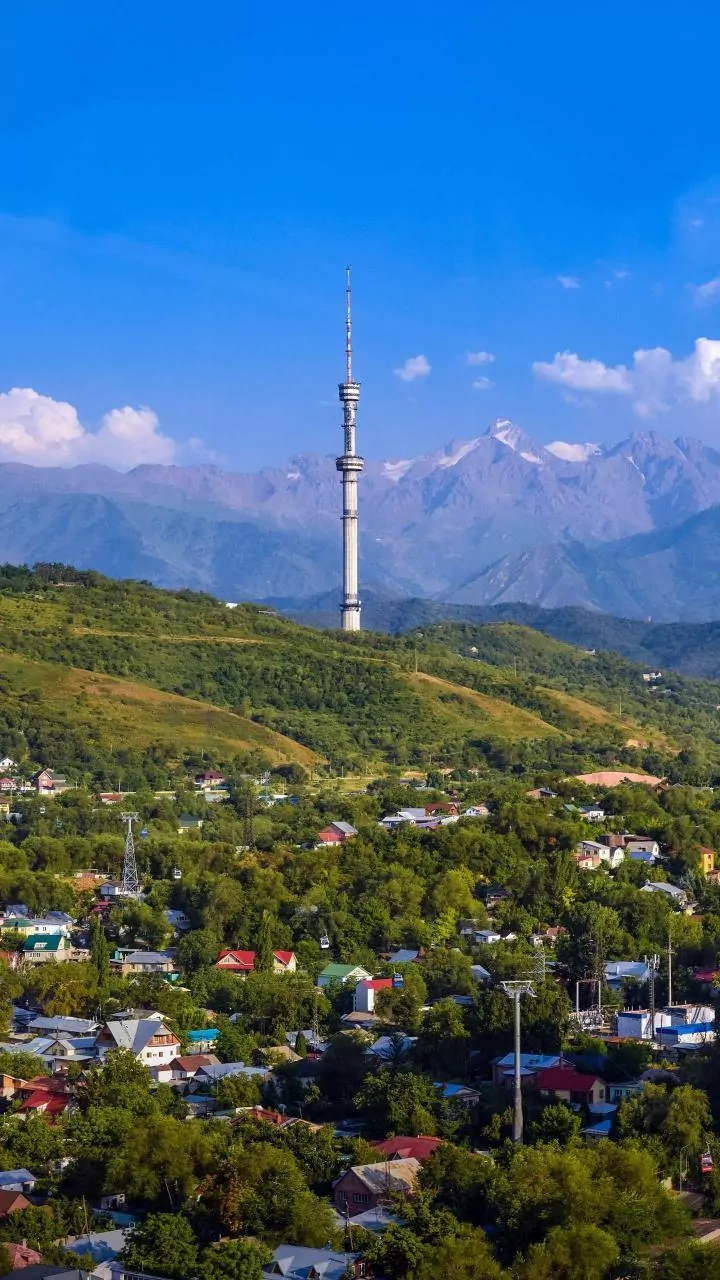





The Old Way Is Over
For years, planning a budget trip meant a familiar routine: toggling between travel portals, comparing inflated prices, and sifting through polished, often misleading, photos. The options were typically limited to hotels or commercially listed properties,
many of which lack local character. For the solo traveler, especially those seeking authentic experiences without breaking the bank, this process can be frustrating. The real gems—the quiet family-run homestay with amazing home-cooked food, the room with a stunning mountain view for a fraction of the hotel price—were often invisible, discoverable only through word-of-mouth.
Enter the Digital grapevine
This is where the new-age traveler’s ingenuity kicks in. Leveraging the power of community, solo travelers are creating and sharing crowdsourced digital maps. Think of it as a digital grapevine. These aren't fancy, venture-funded apps. Often, they are simple, collaborative Google My Maps layers, shared spreadsheets, or lists curated within dedicated Reddit communities, Facebook groups, and WhatsApp channels. A traveler finds a wonderful, cheap homestay in a remote village, gets the owner's contact details, and adds it to a shared map with a small note about their experience. The next traveler using the map can then benefit from this discovery, and potentially add their own.
More Than Just a Bargain
While the primary driver is affordability, the appeal of these crowdsourced maps goes much deeper. They represent a move towards a more conscious and community-centric mode of travel. The recommendations are built on trust and shared experiences, not marketing budgets. Users often find detailed, honest notes: “Aunty’s chai is the best,” “The last 2km of the road is tricky for cars,” or “Ask for the room on the left for the best sunrise view.” This level of personal insight is something commercial platforms can't replicate. It fosters a sense of connection to a place and its people, turning a simple stay into a memorable experience. It's about finding places that are not just cheap, but also rich in character.
How to Tap Into the Network
Finding these maps requires a bit of digital sleuthing. Start by joining online communities focused on solo travel, backpacking, or budget trips in India. Platforms like Reddit (look for subreddits like r/solotravel or r/Indiatravel) are treasure troves. Use search terms like “homestay map,” “crowdsourced list,” or “budget stays.” Many long-running threads evolve into community-managed documents or maps. Be an active participant. Don’t just take; when you discover a great place, contribute back to the list. This reciprocity is what keeps these resources alive and valuable. It’s a community effort, and every genuine addition strengthens the network for everyone.
Travel Smart and Stay Safe
The very nature of these maps—unregulated and community-driven—comes with risks. The information might be outdated, a contact number could be wrong, or a once-great place may have changed ownership. Unlike commercial platforms, there’s no customer service to call if things go wrong. Therefore, it’s crucial to use these maps as a starting point, not a final booking tool. Always try to verify the information. Call the homestay owner directly, ask for recent photos, and check for any recent online mentions or reviews. For solo travelers, especially women, safety is paramount. Inform a friend or family member of your exact location and trust your instincts. If a place feels off, it’s always better to walk away.