




We are all told to eat our greens, but navigating the world of 'superfoods' and miracle cures can be exhausting. Here’s a simple guide to enjoying the wealth of leafy greens in India, focusing on real nutrition and delicious, practical use.
The Real Reason to Eat Your Greens
Let's clear
the air: no single food is a magic bullet for health. The term 'superfood' is more of a marketing buzzword than a scientific category. The true power of leafy greens comes from their nutrient density. They are packed with essential vitamins like A, C, and K, minerals such as iron, calcium, and magnesium, and a healthy dose of dietary fibre. These nutrients work together as part of a balanced diet to support overall health. Regular consumption can contribute to better digestion, heart health, and a stronger immune system. The benefit isn't from one giant kale smoothie; it's from consistently including a variety of greens in your meals over time. The goal is a healthy pattern, not a single 'miracle' ingredient.
Beyond Palak: A World of Indian Greens
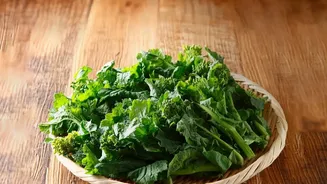
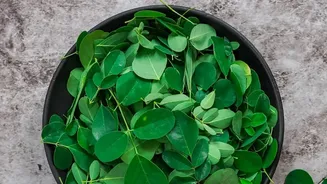
While spinach (palak) is a beloved staple, the Indian culinary landscape offers a staggering variety of leafy vegetables. Exploring them adds new flavours, textures, and nutrients to your plate. Look for fenugreek leaves (methi), which have a pleasant bitterness and are rich in iron. Mustard greens (sarson) provide a peppery kick, essential for the winter classic Sarson da Saag. Amaranth leaves (chaulai or laal maath) are tender, earthy, and a good source of iron and calcium. Other fantastic options include the tangy sorrel leaves (gongura), dill leaves (shepu) known to support bone health, and nutritious drumstick leaves (moringa). Many of these local greens are often more affordable and just as, if not more, nutritious than exotic imports.
Cook Smart to Preserve Nutrients
How you cook your greens matters. Over-boiling can strip them of water-soluble vitamins like Vitamin C. To retain the most nutrients, opt for quick cooking methods like light sautéing, steaming, or blanching. A quick stir-fry with garlic and a touch of oil not only tastes delicious but also helps your body absorb fat-soluble vitamins, like Vitamin A and K, more effectively. Don't be afraid of longer cooking times for heartier dishes like dal or saag; while some Vitamin C might be lost, the concentration of other nutrients and fibre in the cooked-down greens is significant. The key is to avoid aggressively boiling them in large amounts of water that you then discard.
Easy Ways to Add Greens to Every Meal
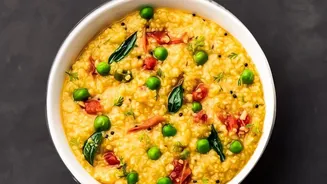
Incorporating more greens doesn't have to mean eating a boring salad every day. The trick is to seamlessly add them to dishes you already love. Finely chop methi or spinach and knead it into the dough for parathas or rotis. Wilt a handful of amaranth leaves into your dal in the last few minutes of cooking for an effortless nutrient boost. Blend a small amount of spinach into your dosa or idli batter; the taste is barely noticeable, but the nutritional value is there. Fresh herbs like mint (pudina) and coriander (dhania) also count! A vibrant mint chutney is a flavourful way to consume greens raw, preserving all their benefits. You can even stir chopped radish greens or curry leaves into simple vegetable stir-fries for added flavour and health perks.