


The Sattvic Staples of the North
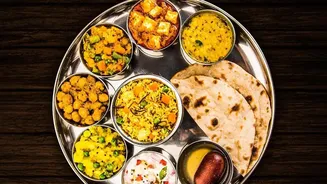
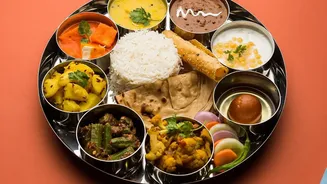
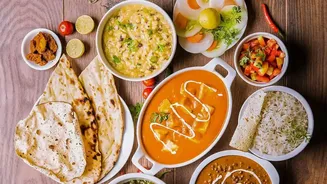
In North India, particularly in states like Punjab, Haryana, and Uttar Pradesh, Navratri fasting is predominantly sattvic, focusing on foods that are pure and light on the body. This means a temporary farewell to grains like wheat and rice, onions, garlic,
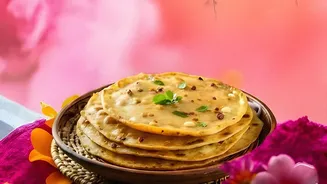
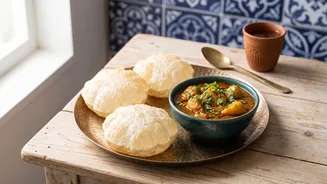
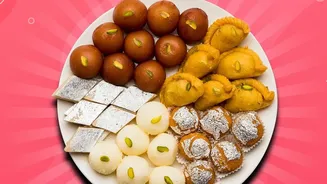
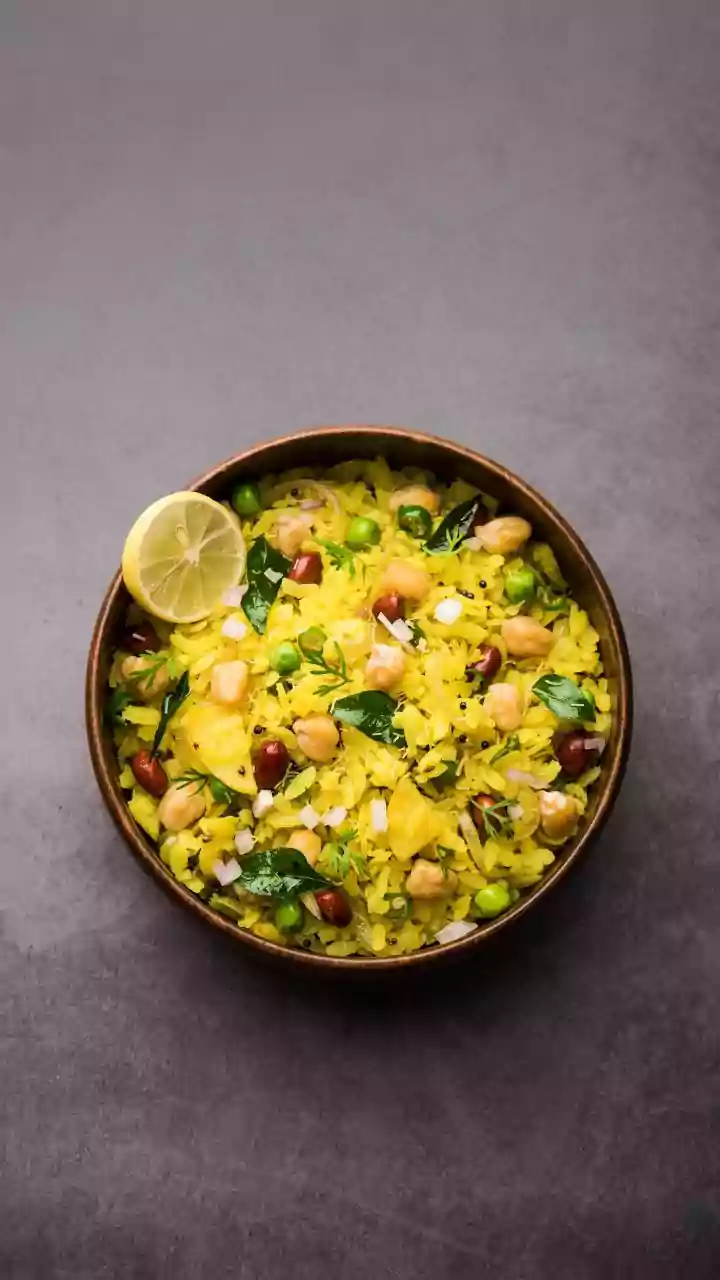
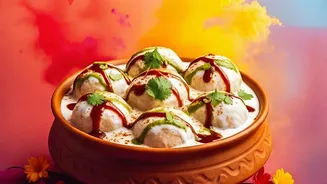
and regular table salt. Instead, the pantry is stocked with alternative flours like Kuttu (buckwheat), Singhara (water chestnut), and Rajgira (amaranth). These are used to make rotis, puris, and pakoras. Potatoes and pumpkins are staple vegetables, often prepared in a simple stir-fry with cumin seeds and rock salt (sendha namak). Sabudana (tapioca pearls) also makes a frequent appearance, most famously as Sabudana Khichdi, a comforting and energy-boosting dish made with potatoes and peanuts. Dairy products like milk, paneer, and curd are consumed generously, often in the form of lassi or fruit-based raitas that help keep devotees hydrated and nourished.
Gujarat's Fasting Feasts
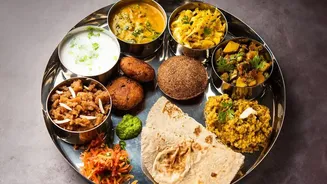
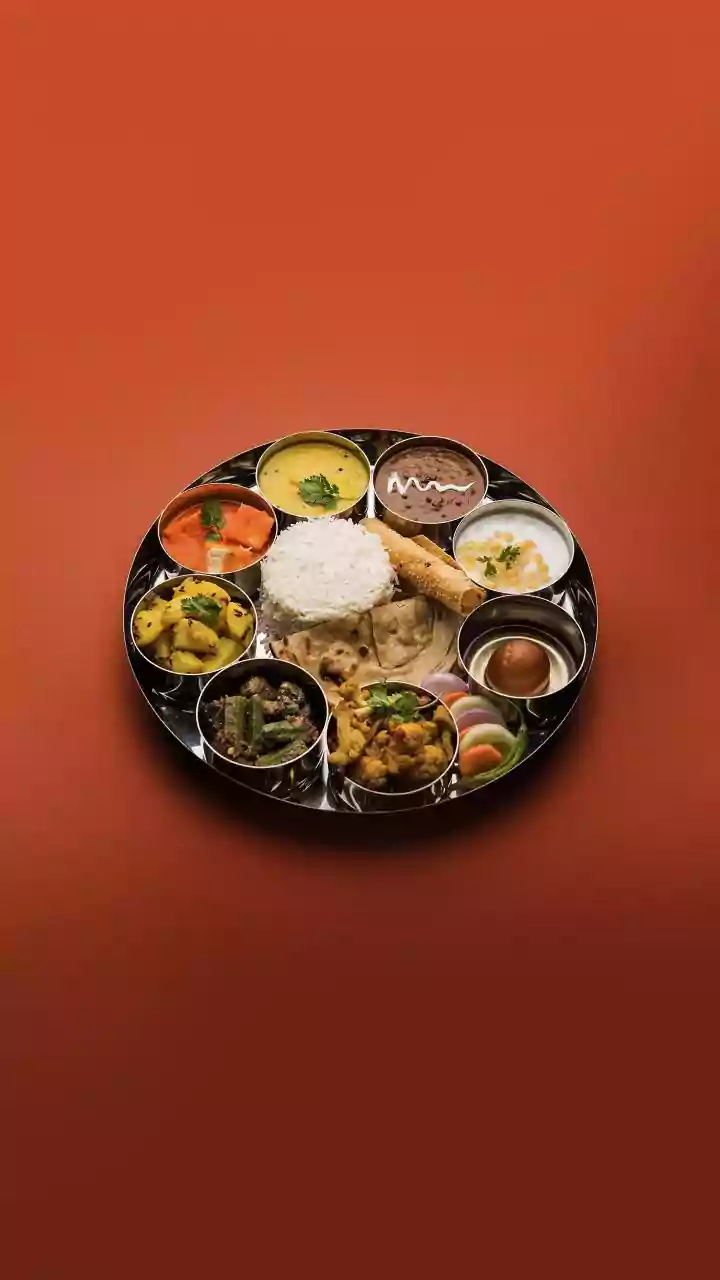
In Gujarat, Navratri is synonymous with energetic Garba and Dandiya Raas nights, and the food is just as vibrant. While fasting rules are followed, the cuisine is anything but restrictive. The Gujarati Navratri thali is a delightful exploration of textures and flavors. Staples include Moraiyo or Sama (barnyard millet), prepared like a khichdi, and Rajgira flour, which is used to make rotis and the sweet pudding 'shiro'. A classic fasting dish is a simple potato curry, 'Batata nu Shaak', seasoned with green chillies and peanuts. Sweet potatoes (shakarkandi) are also popular, often roasted or made into a chaat. What sets Gujarat apart is the variety of snacks, or 'farsan', adapted for the fast. You might find creative dishes like Kuttu Dhokla or Rajgira Panki, showcasing the region's culinary ingenuity even within the constraints of fasting ingredients.
Maharashtra's Hearty Upvas Meals
In Maharashtra, the approach to Navratri fasting, or 'upvas', is hearty and satisfying. The food is designed to provide sustained energy. Sabudana is king here, transformed into the iconic Sabudana Khichdi and the crispy Sabudana Vada. These dishes are often flavored with roasted peanuts, green chillies, and a squeeze of lemon. Another key ingredient is Bhagar, or Varai (barnyard millet), which is cooked into a porridge-like 'Amti' or a simple khichdi. Potatoes and sweet potatoes are widely used, and peanuts are a common ingredient across many dishes, providing both crunch and protein. Fasting thalis often feature a combination of these preparations, offering a complete meal that is both delicious and compliant with upvas rules.
Bengal's Grand Durga Puja Bhog
Travel east to West Bengal, and the Navratri food story changes dramatically. Here, the festival is celebrated as Durga Puja, a grand carnival honoring the homecoming of Goddess Durga. Instead of fasting, Bengalis celebrate with feasting. The concept of a restrictive 'vrat' diet is largely absent; in fact, non-vegetarian dishes are an integral part of the celebration. Traditional delicacies like Kosha Mangsho (slow-cooked mutton), Chingri Malai Curry (prawns in coconut milk), and Shorshe Ilish (hilsa fish in mustard gravy) are enjoyed. However, there is a vegetarian tradition that shines brightly: the 'bhog'. This is a sacred meal offered to the goddess and then distributed to devotees at pandals. The star of the bhog is a flavorful Khichuri made from roasted moong dal and rice, served with Labra (a mixed vegetable curry), fried brinjal, and a sweet tomato chutney.
The Southern Tradition of Golu and Sundal
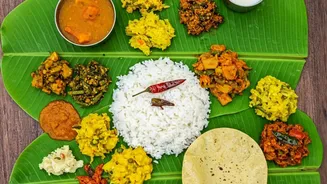
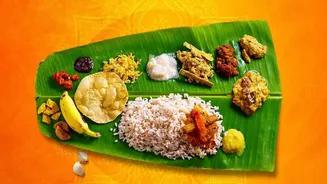
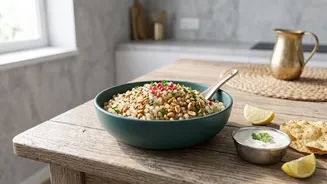
In South India, particularly Tamil Nadu, Andhra Pradesh, and Karnataka, Navratri is celebrated with 'Golu' (or Bommai Golu), an elaborate display of dolls and figurines. While strict fasting is less common than in the North, food still plays a central role. The culinary highlight is 'Sundal', a simple yet protein-rich snack made from different legumes like chickpeas, peanuts, or black-eyed peas. A different variety of sundal is prepared each of the nine evenings as an offering (prasadam) and shared with guests who come to view the Golu display. This tradition is not just about food but also about community and social bonding. Alongside sundal, families also prepare sweets like Payasam (kheer) and other dishes, ensuring they are made without onion or garlic as a mark of respect during the festive period.