






A Comforting Broth for All Seasons
In South India, rasam is more than just a dish; it is a culinary staple that holds a special place in homes as a comfort food, especially when someone feels under the weather. Often compared to how khichdi is viewed in North India, rasam is the go-to
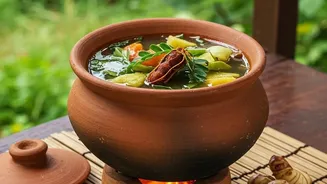
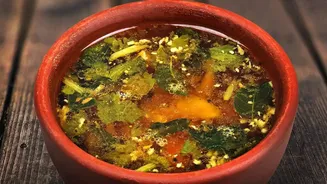
food for recovery and comfort. Known as 'milagu rasam' in Tamil or 'menasina saaru' in Kannada, pepper rasam is a thin, pungent broth that is particularly favoured during colder months and rainy seasons. Its primary role is to soothe and provide nourishment, often served as a warm soup to sip on or mixed with hot steamed rice. The beauty of this dish lies in its simplicity and its reliance on basic spices, making it a quick and accessible remedy for ailments like a sore throat, cough, or a blocked nose.
The Power of Pantry Spices
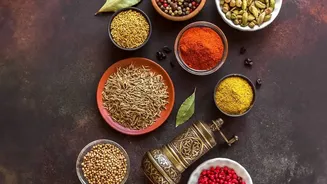
The secret to pepper rasam's reputation as a wellness food lies in its core ingredients, most of which are readily available in any Indian kitchen. Black pepper, the star ingredient, is known for its ability to clear nasal passages and contains piperine, an alkaloid that gives it its signature heat. Cumin seeds contribute an earthy aroma and are traditionally used to aid digestion. Garlic, another key component, is believed to have natural antibiotic properties that help combat infections. Together with tamarind, which provides a tangy base rich in antioxidants, and turmeric, known for its anti-inflammatory properties, these spices create a potent blend. This combination is designed not just for flavour but to work together to create a broth that is both healing and delicious.
A Simple Recipe for Pepper Rasam
This recipe requires no special powders and relies on freshly ground spices for the most authentic aroma and flavour. It is a quick preparation, often taking less than 25 minutes from start to finish.Ingredients:For the Spice Paste:- 1.5 tsp black peppercorns- 1.5 tsp cumin seeds- 4-5 cloves of garlic, peeledFor the Rasam:- A small lemon-sized ball of tamarind- 1 medium-sized ripe tomato, chopped- 1/4 tsp turmeric powder- A pinch of asafoetida (hing)- 1 sprig of curry leaves- 3 cups of water- Salt to tasteFor Tempering (Tadka):- 1 tsp ghee or oil- 1/2 tsp mustard seeds- 1 dry red chilli- Fresh coriander leaves, chopped, for garnish
Step-by-Step Preparation Guide
1. Prepare the spice mix: In a mortar and pestle or a small mixer, coarsely crush the black peppercorns, cumin seeds, and garlic cloves. A gritty texture is better than a fine powder as it releases flavour slowly.2. Extract tamarind juice: Soak the tamarind in half a cup of warm water for about 10 minutes. Squeeze it well to extract the pulp and strain the liquid, discarding the solids.3. Cook the base: In a pot, combine the tamarind extract, chopped tomato, turmeric powder, asafoetida, curry leaves, and salt. Simmer for about 8-10 minutes until the raw smell of the tamarind disappears and the tomato softens.4. Combine and simmer: Add the crushed spice mixture to the pot along with the remaining water. Bring the mixture to a gentle simmer. A crucial tip is to watch for a white froth to appear on the surface and turn off the heat immediately. Do not let the rasam come to a rolling boil, as this can make it bitter and diminish the aroma of the spices.5. Temper and finish: In a small pan, heat the ghee or oil. Add the mustard seeds and let them crackle. Then add the dry red chilli. Pour this tempering over the rasam. Garnish with freshly chopped coriander leaves, cover the pot, and let it rest for five minutes for the flavours to meld before serving.
Serving and Customisation
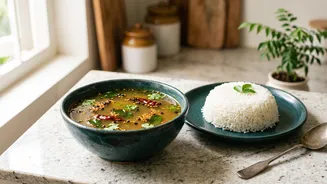
Pepper rasam is incredibly versatile. It can be served piping hot in a small tumbler or bowl as a soothing soup, which is especially comforting for a sore throat. Alternatively, it is traditionally poured over a mound of hot, steamed rice, often with a dollop of ghee, for a light and digestible meal. For a slightly thicker consistency, some recipes include a small amount of cooked toor dal or its water. You can adjust the quantity of pepper to control the heat, making it suitable for all members of the family. The key is to enjoy it warm to get the full benefit of its comforting properties.