





The Architects of Ascent: Rocket and Satellite Engineers
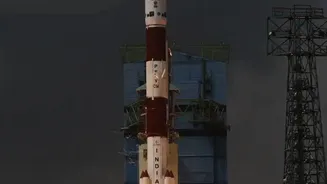
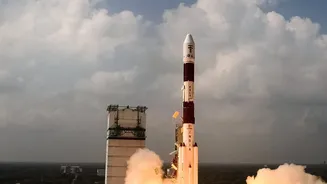
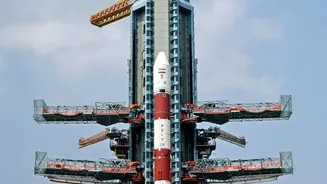
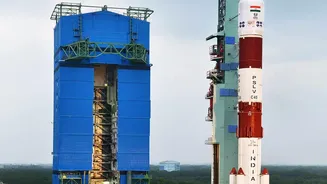
The most visible part of the space economy is the hardware that gets us there. Companies like Skyroot Aerospace, which successfully launched India's first private rocket, and Agnikul Cosmos, known for its 3D-printed engines, are at the forefront. They
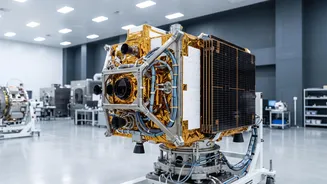
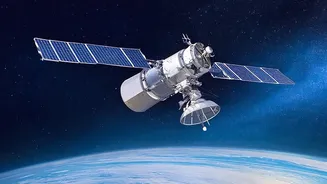
are aggressively hiring core engineering talent. This includes propulsion engineers who design the engines, structural engineers who ensure the vehicles can withstand launch, and avionics specialists who handle the complex electronics. On the satellite front, firms like Dhruva Space and Pixxel are building everything from small satellite platforms to constellations for Earth observation. This creates demand for satellite systems engineers, power systems specialists, and payload engineers who design the instruments that perform the mission.
The Data Decoders: Satellite Data and Software Specialists
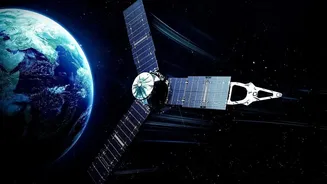
Once satellites are in orbit, they generate enormous amounts of data. This has created one of the fastest-growing job segments in the space industry: data analytics. Companies use satellite imagery and signals for everything from agriculture and urban planning to climate monitoring and disaster management. This requires satellite data analysts, remote sensing experts, and GIS specialists who can turn raw data into actionable insights. Alongside them are the aerospace software engineers, whose importance cannot be overstated. They build the flight software, mission control systems, and the AI algorithms that are now at the heart of every modern space mission. Strong skills in Python, C++, and machine learning are becoming essential for this new frontier.
The Ground Crew: Manufacturing, Operations, and Technicians
Rockets and satellites don't build themselves. The scaling of private space ventures is fueling a boom in advanced manufacturing. Technicians and engineers with expertise in additive manufacturing (3D printing), composites, and precision assembly are critical. Agnikul Cosmos, for example, is pioneering the use of 3D printing for entire rocket engines, which dramatically reduces cost and production time. Once a mission is launched, a different team takes over. Mission operations specialists manage the ground stations that communicate with and control the satellites. This involves tracking orbits, managing systems, and ensuring the health of the spacecraft, creating roles that are vital for the long-term success of any space-based service.
The Business Builders: Law, Finance, and Management
The new space race is not just about technology; it's also about building sustainable businesses. As the sector commercialises, it requires professionals from non-technical backgrounds. With private investment crossing the $600 million mark and government venture funds being established, financial analysts and investment managers with an understanding of the sector's long-term potential are needed. Furthermore, the growth of private participation has created a need for space law and policy experts. These professionals help companies navigate the complex web of national and international regulations, from launch licensing to spectrum allocation and space debris mitigation. Business development and marketing roles are also emerging as companies compete for commercial contracts and build their brands in a nascent market.
The Next Generation: Education and Training
To sustain this growth, India needs a steady pipeline of talent. This has opened up opportunities in space education and skill development. Universities are introducing more specialised courses in aerospace, and private ed-tech platforms are offering programs focused on space science. Professionals are needed to design curricula, manage training programs, and mentor the next generation of space scientists and engineers. As the industry matures, roles in public outreach and science communication will also become more important, helping to translate complex missions into compelling stories that inspire the public and attract future talent. This educational ecosystem is the foundation upon which the entire private space economy will be built.