






Prioritise Protein at Every Meal
One of the most common pitfalls of a vegetarian diet is inadvertently letting carbohydrates dominate every plate. Nutritionists insist on consciously including a protein source in every meal—breakfast, lunch, and dinner. This isn't just about building
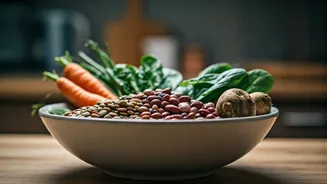
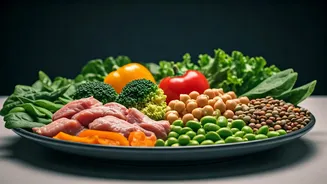
muscle; protein is crucial for satiety, helping you feel fuller for longer and stabilizing blood sugar levels. Without it, you might find yourself reaching for snacks soon after eating. In the Indian context, this is easily achievable. Start your day with a moong dal chilla or Greek yoghurt. For lunch, ensure your thali includes a generous serving of dal, chickpeas, or paneer. Dinner could be a tofu stir-fry or a hearty bean-based curry. Spreading your protein intake throughout the day is far more effective than trying to load up in one sitting.
Pair Iron Sources with Vitamin C
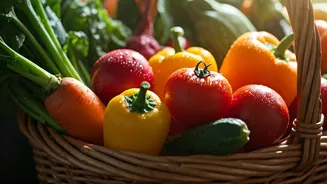
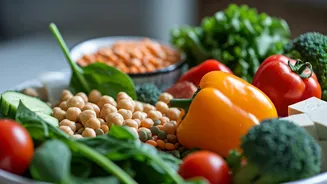
“Am I getting enough iron?” is a frequent worry for vegetarians. Plant-based sources of iron (non-heme iron) are absorbed less efficiently by the body than the iron found in meat (heme iron). However, there's a simple, powerful trick nutritionists swear by: always pair your iron-rich foods with a source of vitamin C. Vitamin C dramatically boosts the body's ability to absorb non-heme iron. This is easier than it sounds. Squeeze lemon juice over your dal or spinach sabzi. Have a side of orange slices with your bowl of lentils. Add bell peppers (capsicum) to your bean curry. This simple food-pairing strategy can make a significant difference in your iron levels and overall energy.
Plan Your Vitamin B12 Intake
This is a non-negotiable for anyone on a long-term vegetarian or vegan diet. Vitamin B12, essential for nerve function and the production of DNA and red blood cells, is not naturally found in plant foods. Relying on occasional dairy intake might not be enough. Experts stress the importance of a reliable B12 source. This can come from fortified foods—like certain plant-based milks, breakfast cereals, and nutritional yeast—or a supplement. Don't leave this to chance. Check labels for fortification and consider speaking with a doctor or registered dietitian about whether a B12 supplement is right for you. It's a simple step that prevents a very serious deficiency.
Embrace a Variety of Plant Foods
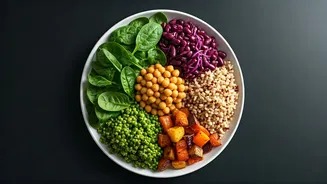
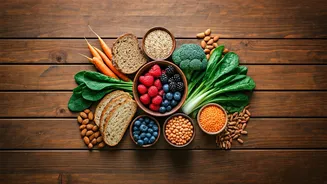
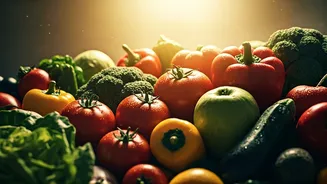
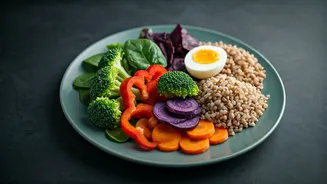
It's easy to fall into a rut, eating the same dal, rice, and roti every day. While delicious, a healthy vegetarian diet is a varied one. Nutritionists encourage 'eating the rainbow' not just because it's visually appealing, but because different coloured fruits and vegetables provide different arrays of vitamins, minerals, and phytonutrients. Each colour signals the presence of unique compounds that work together to protect your health. Make it a goal to include a variety of grains (millets, quinoa, brown rice), lentils, beans, nuts, seeds, and a wide spectrum of vegetables in your weekly routine. This diversity ensures a broader nutrient intake and supports a healthy gut microbiome.
Don't Forget Healthy Fats
In the quest to eat healthy, many people mistakenly cut out all fats. This is a mistake, especially on a vegetarian diet. Healthy fats are essential for brain health, hormone production, and absorbing fat-soluble vitamins (A, D, E, and K). They also contribute to feeling satisfied after a meal. Nutritionists recommend incorporating sources of unsaturated fats daily. Think a handful of almonds or walnuts as a snack, a spoonful of chia or flax seeds in your smoothie or oatmeal, and using healthy oils like groundnut or olive oil for cooking. Avocado on toast is another excellent option. These fats provide sustained energy and are critical for overall wellness.
Hydrate for High Fibre
Vegetarian diets are naturally high in fibre, which is fantastic for digestive health, cholesterol management, and blood sugar control. However, there's a crucial counterpart to a high-fibre intake: water. Fibre works by absorbing water in your digestive tract, which helps to form soft, bulky stools. Without enough water, a high-fibre diet can lead to bloating, gas, and constipation. Make sure you're drinking plenty of fluids throughout the day. It doesn't just have to be plain water; unsweetened herbal teas and clear soups also count. This simple habit ensures you get all the benefits of fibre without the uncomfortable side effects.