


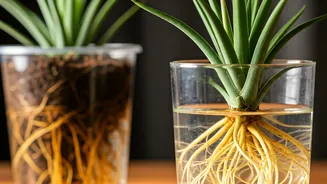


Mistake 1: Sticking to Your Summer Watering Schedule
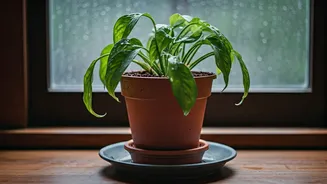
The single biggest mistake plant parents make during the monsoon is overwatering. [3] With higher humidity and less sun for evaporation, soil stays wet for much longer. [3] Continuing your summer watering routine can quickly lead to waterlogged soil,
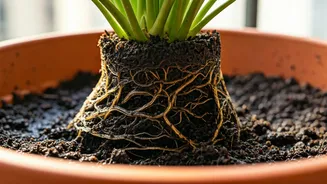
depriving roots of oxygen and causing root rot. The classic signs are yellowing leaves, mushy stems, and a foul, musty smell from the soil. [22] Before you water, always check the soil. A good rule is to stick your finger about an inch or two deep; if it feels damp, wait a few more days before watering. [10] During the monsoon, your plants need less water, not more. [3]
Mistake 2: Ignoring Poor Drainage
Overwatering is a problem, but it becomes a disaster when combined with poor drainage. When excess water has no way to escape, roots are guaranteed to suffocate. [6, 12] Check that your pots have sufficient drainage holes at the bottom and that they aren't clogged. [5] If your pots are sitting in decorative saucers or trays, make it a rule to empty any collected water immediately. [11] Stagnant water is a direct cause of root rot and also becomes a breeding ground for mosquitoes and fungus gnats. [11, 18] For extra protection, you can elevate pots on small bricks or stands to improve airflow and ensure water drains away freely. [8]
Mistake 3: Overlooking Pests and Fungi
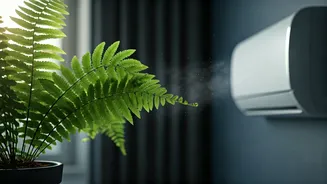
The damp, humid conditions of the monsoon are a perfect breeding ground for pests and fungal diseases. [7, 10] Mealybugs, spider mites, aphids, and especially fungus gnats thrive in this environment. [4, 18] Fungal infections can appear as white or grey mould on the soil or dark spots on leaves. [4, 7] Inspect your plants regularly, paying close attention to the undersides of leaves and the soil surface. To prevent infestations, ensure good air circulation by not overcrowding your plants. [6] A preventative spray of diluted neem oil every 10-15 days can act as a natural fungicide and pest repellent. [4, 5, 6]
Mistake 4: Not Adjusting for Lower Light
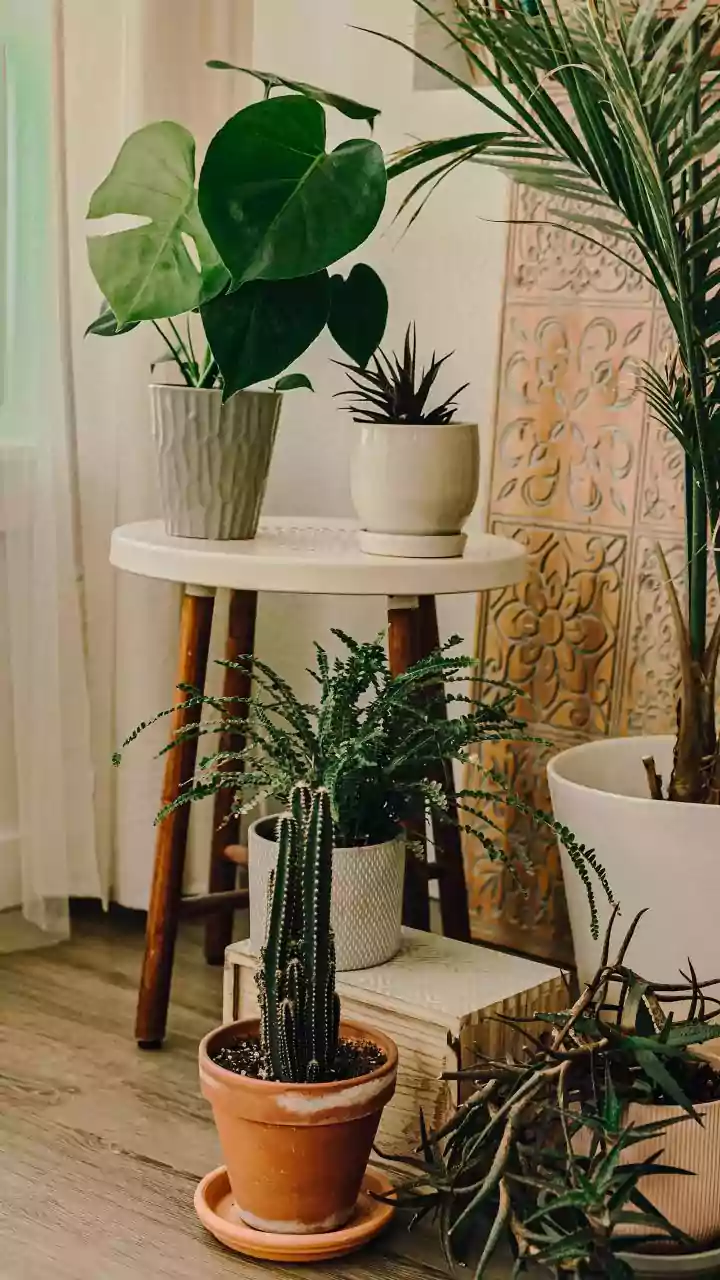
Constant cloud cover means significantly less sunlight for your indoor plants. This can lead to stunted or 'leggy' growth, where plants stretch desperately towards the nearest light source, and leaves may lose their vibrant colour. [11] To compensate, move your plants closer to windows where they can receive the maximum available light. [2] Wiping dust off both your windows and your plant's leaves can also make a surprising difference. Rotating your pots every few days ensures that all sides of the plant get some light, promoting more even and healthy growth. [11]
Mistake 5: Fertilizing Too Much or at the Wrong Time
Many indoor plants slow down their growth during the darker, cooler monsoon months. [4] Because they aren't actively growing, they require fewer nutrients. Continuing a heavy fertilizing schedule can lead to fertilizer burn, which damages the roots. [9] It's best to reduce the frequency and concentration of your fertilizer. Opt for gentle, organic options like vermicompost or a diluted liquid feed once a month. [4, 9] Avoid applying fertilizer to already waterlogged soil, as this can exacerbate root problems. If you must fertilize, do it during a dry spell or after the soil has had a chance to dry out slightly. [9, 17]
Mistake 6: Neglecting to Prune
Pruning is essential during the monsoon, not just for shaping your plant but for maintaining its health. Removing yellowing or dead leaves and overgrown branches does two important things: it improves air circulation around the plant and reduces the risk of fungal diseases taking hold on decaying matter. [6, 8] Regular trimming helps the plant direct its limited energy towards new, healthy growth instead of sustaining dying parts. [5] Always use clean, sterilised pruning tools to avoid spreading potential infections from one plant to another. [8]