

A Sharper, Deeper View
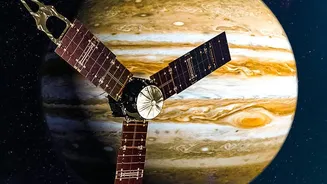
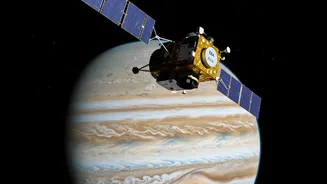
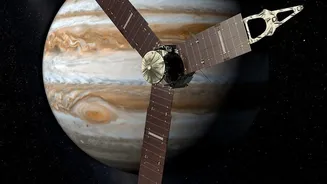
The latest insights come from a combination of powerful observatories, including the Hubble Space Telescope and NASA's Juno probe, which has been orbiting Jupiter since 2016. These instruments provide an unprecedented look at the storm, capturing not
just visible light but also data from other wavelengths and even measuring the storm's gravity signature. This multi-faceted approach allows scientists to peer deep below the cloud tops, revealing the three-dimensional structure of the spot. Recent data confirms the storm is surprisingly deep, with roots extending hundreds of kilometres into the planet's atmosphere—far deeper than any ocean on Earth. This depth is crucial to understanding its power and longevity.
The Incredible Shrinking Storm
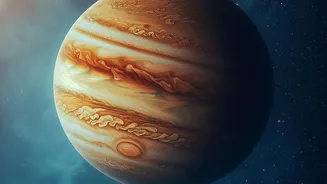
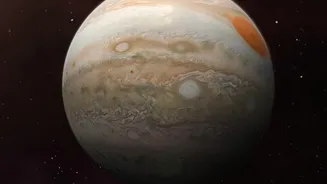
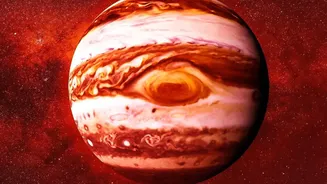
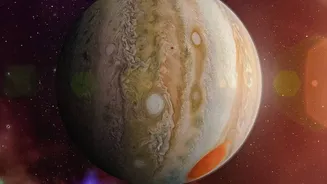
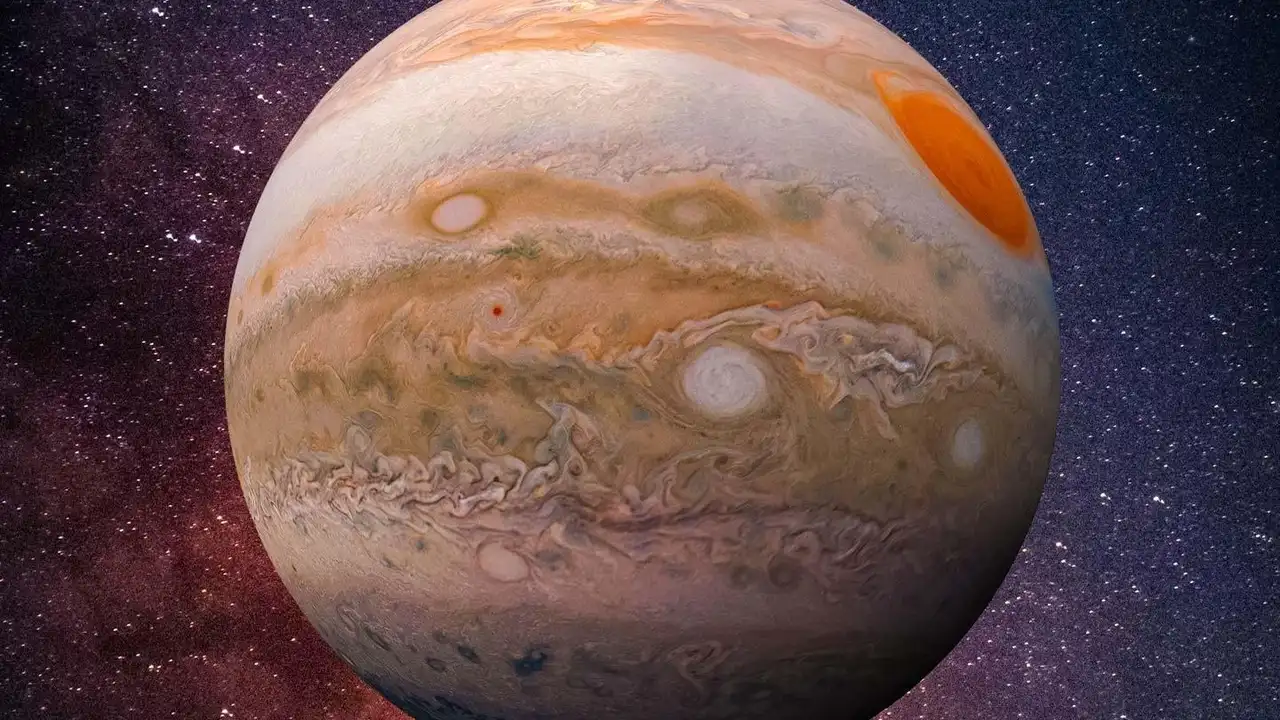
The most dramatic finding is the continued, and sometimes accelerated, shrinking of the Great Red Spot. In the late 1800s, the storm was vast enough to swallow three Earths. By the time of the Voyager flybys in 1979, it had already diminished to about twice Earth's diameter. Today, it is only about 1.3 times the width of our own planet, and its shape has become more circular than oval. The rate of shrinkage has not been constant; observations in the last decade showed it was losing about 930 kilometres of width per year, a pace that has since settled into a more long-term trend. This constant evolution keeps scientists on their toes, eager to understand the forces at play.
Is the Storm Starving?
So, why is the iconic storm fading? One leading theory suggests the Great Red Spot is, in essence, starving. Recent computer simulations show that the giant storm maintains its energy and size by consuming smaller, nearby vortices, or storms. When there are fewer of these smaller storms to 'feed' on, the Great Red Spot begins to shrink. The new high-resolution images support this idea, allowing researchers to more closely monitor the complex interactions between the main vortex and the smaller eddies that either merge with it or chip away at its edges. This dynamic is a key area of focus for scientists trying to forecast the storm's future.
Evolving Colours and Features
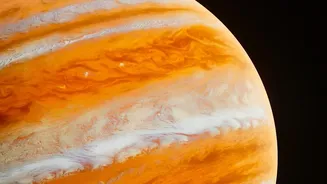
Beyond its size, other features of the storm are also changing. While its name implies a consistent crimson, the spot's colour has been known to shift, sometimes appearing more of a pale orange or pink. In recent years, however, its orange hue has deepened, even as it has shrunk. Scientists speculate that as the storm contracts and stretches vertically, it may be dredging up materials from deeper within Jupiter's atmosphere. When these compounds are exposed to the Sun's intense ultraviolet radiation, they undergo chemical reactions that produce the signature reddish colours. Additionally, observers have noted strange, wispy filaments rotating and twisting within the storm's core, a feature not seen in such detail before.
What Happens if It Disappears?
The question on every astronomer's mind is whether we are witnessing the final chapters of the Great Red Spot. Based on current trends, some have projected it could vanish within a few decades, though there is no definitive timeline. Even if it does, Jupiter will remain a world of turbulent weather. The gas giant's atmosphere is a chaotic sea of cyclones and anticyclones, driven by powerful jet streams and the planet's rapid rotation. While the Great Red Spot is the most famous, other storms, like the smaller 'Oval BA' (nicknamed Red Spot Junior), have formed and persisted. The demise of the current king of storms might simply make way for a new one to eventually take its place on the Jovian throne.