







Prioritise Light, Warm Meals
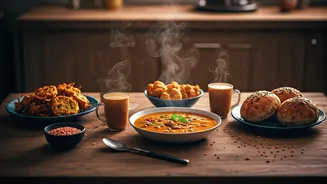
According to Ayurveda, the monsoon season can dampen our digestive fire, or 'agni'. This makes it harder for our bodies to process heavy, oily, and fried foods. Instead of rich curries and deep-fried snacks, opt for lighter, warmer preparations. Think
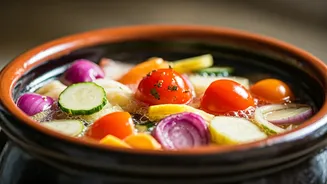
steamed or grilled vegetables, clear soups, and simple dals like moong dal. These foods are easy on the stomach, provide sustained energy, and prevent the bloating and indigestion that are common during this time. A warm bowl of khichdi, for instance, is a perfect monsoon meal—it's balanced, nutritious, and incredibly comforting.
Boost Your Immunity with the Right Foods
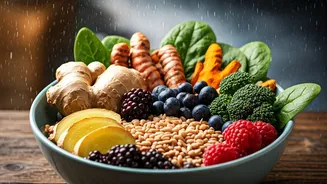
With the increased humidity and airborne pathogens, your immune system needs all the support it can get. Incorporate natural immunity boosters into your daily diet. Turmeric, with its active compound curcumin, is a powerful anti-inflammatory and antioxidant; add a pinch to your milk or curries. Ginger and garlic are fantastic for fighting infections and aiding digestion—start your day with a cup of ginger tea or add freshly crushed garlic to your meals. Foods rich in Vitamin C, such as amla, oranges, and bell peppers, are also crucial for strengthening your body's defences against common colds and flu.
Be Selective with Fruits and Vegetables
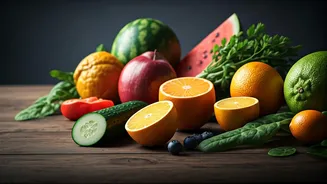
While fruits and vegetables are essential, the monsoon calls for caution. Leafy greens like spinach and cabbage can harbour dirt and germs from the damp soil, making them risky if not cleaned and cooked thoroughly. It's safer to opt for gourds like lauki (bottle gourd), tinda (apple gourd), and parwal (pointed gourd). For fruits, choose seasonal options like apples, pomegranates, and pears. Avoid pre-cut fruits from street vendors, as they are highly susceptible to contamination. Always wash all produce thoroughly, perhaps with a bit of salt or vinegar in the water, before consumption.
Rethink Your Street Food Cravings
The desire for a plate of hot pakoras or spicy chaat is almost universal when it rains. However, street food poses a higher risk of water-borne diseases like typhoid and cholera during the monsoon. The water used might not be clean, and the high humidity allows bacteria to thrive. If you're craving these snacks, it's much safer to prepare them at home where you can control the quality of the ingredients, oil, and water. This way, you can satisfy your cravings without compromising your health.
Stay Hydrated the Smart Way
You might not feel as thirsty due to the cooler weather, but staying hydrated is just as important. Dehydration can weaken your immune system. However, ensure you're drinking boiled or purified water to avoid contaminants. Beyond plain water, herbal teas are an excellent choice. Brews made with tulsi, mint, or cinnamon not only hydrate but also offer antibacterial properties. Warm water with a dash of honey and lemon is another great option to keep your throat clear and your body hydrated.
Embrace Probiotics and Fermented Foods
A healthy gut is the foundation of a strong immune system. The monsoon can disrupt the delicate balance of your gut microbiome. To support it, include probiotic-rich foods in your diet. Dahi (yoghurt) and buttermilk (chaas) are excellent sources of good bacteria that aid digestion and keep your gut healthy. A glass of buttermilk with a pinch of roasted cumin and black salt after your meal can work wonders for your digestive system, preventing issues like bloating and gas.