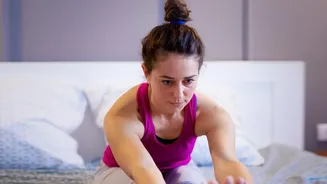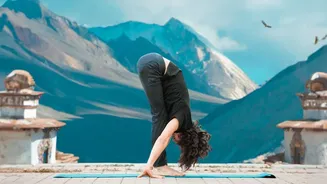



The Seated Forward Bend, or Paschimottanasana, is a cornerstone of yoga that often brings to mind images of extreme flexibility. But its true value isn't in touching your toes; it's in finding a safe, comfortable stretch for your body.
More Than Just a Hamstring Stretch
Paschimottanasana
translates to ‘Intense West Stretch’, referring to the stretch of the entire back side of the body. While it’s famous for lengthening tight hamstrings, its benefits are far more holistic. This pose provides a deep stretch for the calves, the muscles along the spine, and even the shoulders. When practiced mindfully, it has a profound calming effect on the nervous system, helping to reduce stress and anxiety. The gentle compression on the abdomen as you fold forward also stimulates digestive organs, making it a therapeutic pose for the entire system. The goal is not to force a deep fold but to experience a release along the whole posterior chain of the body.
The Foundation: Hinging From the Hips
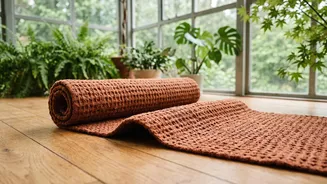
The most common mistake in this pose is rounding the lower back in an effort to reach the feet. This not only negates the hamstring stretch but can also place unhealthy pressure on your spinal discs. The key to a safe and effective forward bend is to initiate the movement from your hips, not your waist. Before you fold, sit tall on your sitting bones. If you feel your pelvis tilting backward, sit on the edge of a folded blanket. This simple modification makes it much easier to tilt the pelvis forward and maintain a long spine as you begin to bend. Think of leading with your chest, not your head.
Your Bend, Your Body: Essential Modifications
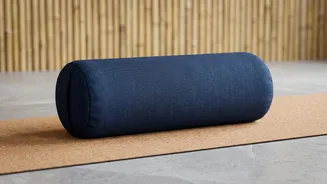
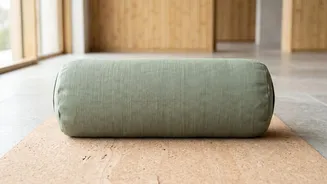
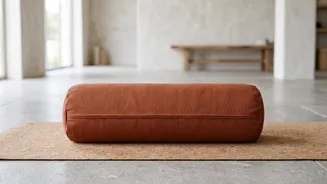
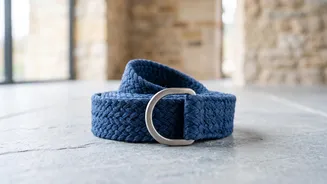
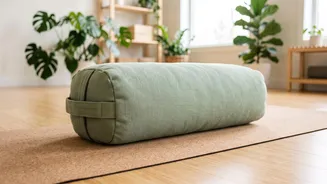
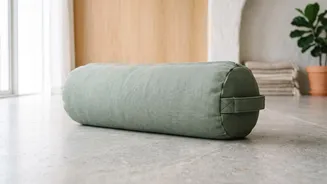
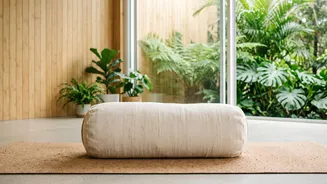
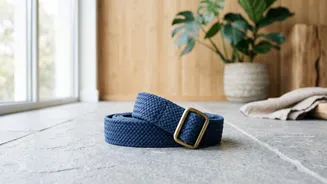
Flexibility varies from person to person and even day to day, so props are your best friend in finding a comfortable depth. If your hamstrings are tight, generously bend your knees. This is not a 'beginner' version but a smart alignment choice that protects your lower back. You can place a rolled-up blanket or bolster under your knees for support. Another excellent tool is a yoga strap. Loop it around the balls of your feet and hold it with both hands. Instead of using it to pull yourself down, use it to help keep your spine long as you gently hinge forward. Your hands can rest wherever they land comfortably—on your shins, ankles, or feet—without any forceful pulling.
From Mat to Daily Movement
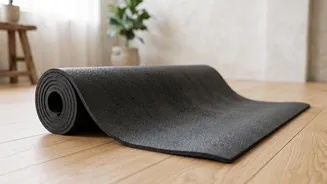
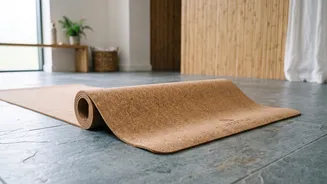
The principles learned in Paschimottanasana are directly applicable to everyday life. The conscious practice of hinging at the hips with a long spine is the safest way to bend over and pick something up, preventing lower back strain. So much of modern life involves sitting—at desks, in cars—which leads to tight hamstrings and a tendency to slouch, causing postural issues like a hunchback. By regularly practicing this forward fold, you are retraining your body's movement patterns. You’re building awareness of good posture, creating length in your spine, and releasing the tension that accumulates from daily activities. This makes it a functional exercise that supports your body long after you’ve rolled up your yoga mat.