






The Great Indian Berth Scramble
Anyone who has travelled by Indian Railways knows the silent, universal preference for the lower berth. It’s easier to access, offers a window seat by day, and saves you from the nightly climb. When booking opens, these are often the first to go, snapped
up by travellers of all ages. While a lower berth is a 'nice-to-have' for a young, fit person, for others it is a non-negotiable necessity. A simple preference for one person can be a significant barrier for another. The daily scramble for these coveted spots often overlooks a crucial factor: the genuine mobility needs of fellow travellers, turning a simple journey into a source of anxiety and physical difficulty for the vulnerable.
How the System Is Meant to Work
Indian Railways has policies in place to address this very issue. A dedicated quota of lower berths is reserved for specific groups of passengers. In most mail and express trains, each Sleeper coach has about six to seven lower berths earmarked for this purpose, while AC-3 Tier and AC-2 Tier coaches have about four to five and three to four respectively. This quota is intended for male senior citizens aged 60 and above, female passengers aged 45 and above, and pregnant women. The reservation system is programmed to automatically allot lower berths to these passengers, subject to availability, even if they don't specifically request one. Furthermore, there is a separate reservation quota for Persons with Disabilities (PwD), which also prioritises the allotment of lower berths to ensure their journey is as comfortable as possible.
A Question of Need, Not Comfort
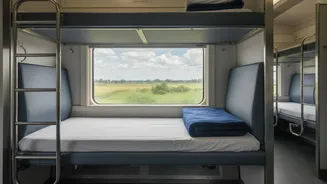
This is where the headline's argument comes into sharp focus. For an able-bodied person under 40, getting a middle or upper berth is a minor inconvenience. It might mean a bit of a climb and a slightly less comfortable nap. But for an elderly person with knee pain, a pregnant woman, or an individual with a physical disability, climbing to an upper berth is not just inconvenient; it can be painful, difficult, and even dangerous. The design of train coaches, the sway of a moving train, and the often-cramped space can make the climb treacherous. The lower berth provides stability, easy access to the aisle and restrooms, and eliminates the physical strain of climbing—factors that are critical for a safe journey for those with limited mobility.
What Can Able-Bodied Travellers Do?
The solution lies in a collective shift in mindset. If you are young, fit, and have no mobility issues, consider this a call to action. When booking your ticket, think about whether you truly need that lower berth. By not selecting it as your first preference, you increase the chances that it remains available for someone who genuinely requires it. The system's automatic allocation for priority passengers works best when the demand from other groups is lower. But what if you are allotted a lower berth and you see someone in need? This is where the unwritten rules of train travel etiquette come in. Offering to swap your lower berth with an elderly person or a pregnant woman who has been assigned an upper berth is a small act of kindness that can make a world of difference to their journey. Onboard Ticket Checking Staff (TTEs) are also authorised to allot any vacant lower berths to senior citizens, PwD, or pregnant women who request one.
Beyond a Personal Choice
Ultimately, this isn't about shaming anyone for their preference. It's about fostering a culture of empathy and community on our trains. Indian Railways connects the nation, throwing people from all walks of life together in a shared space for hours or even days. Making that shared space a little more considerate and accommodating doesn't require a new policy or a change in rules. It simply requires us to look beyond our own comfort and consider the needs of those around us. Choosing an upper or middle berth when we are capable, or offering to swap when we see a need, is a powerful and practical way to make our railway network more inclusive. It reinforces the idea that a journey is not just about reaching a destination, but about how we travel together.