



The Primary Threat: Overwatering and Poor Drainage
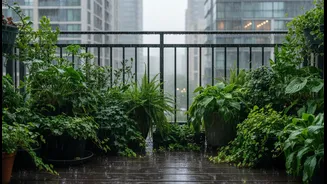
The single greatest mistake in monsoon gardening is assuming the rain does all the work perfectly. While rain is beneficial, constant downpours can be fatal for potted plants. Unlike in a garden bed, water in a container has limited places to go. When
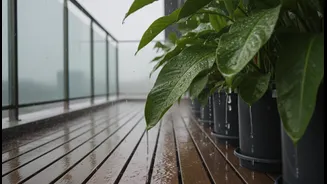
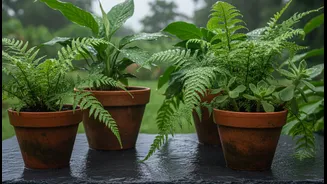
soil becomes waterlogged, it suffocates the roots, depriving them of oxygen and leading to root rot. Symptoms often include yellowing leaves, mushy stems, and wilting despite the soil being wet. To prevent this, ensure every pot has multiple, unobstructed drainage holes. Using a well-draining potting mix containing cocopeat, compost, and perlite is essential. It's also wise to elevate your pots using bricks or plant stands to allow water to escape freely and prevent them from sitting in puddles.
Battling the Elements: Heavy Wind and Rain
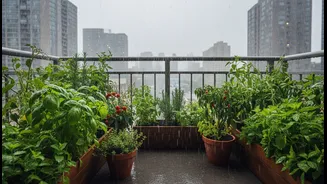
Balconies, especially in high-rise buildings, act as wind tunnels. The combination of strong gusts and heavy rain can physically shred leaves, snap stems, and topple pots. Plants that were perfectly happy in summer can be battered in a monsoon storm. Renters should assess which parts of their balcony are most exposed. Simple measures can make a huge difference. Grouping pots together provides mutual support and creates a more stable micro-environment. For taller or top-heavy plants, provide support with stakes or trellises. In case of a severe storm forecast, consider moving particularly delicate plants indoors temporarily or creating a temporary shield using burlap or overturned buckets.
The Hunt for Sunlight
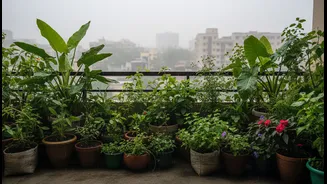
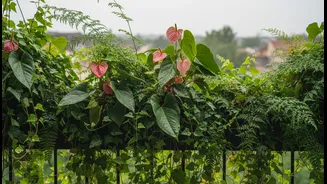
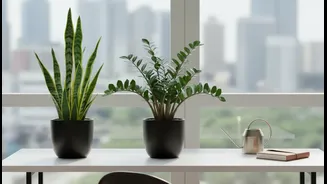
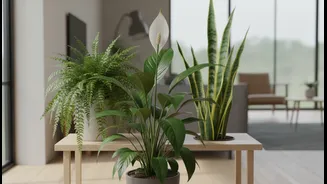
The monsoon is synonymous with overcast skies. While the cooler temperatures bring relief, the reduced sunlight can be a major problem for sun-loving plants that thrived during summer. A plant that requires six hours of direct sun may struggle to stay healthy. This is a crucial limiting factor to consider when choosing what to grow. Instead of fighting the season, adapt to it by selecting plants that are tolerant of lower light and high humidity. Foliage-forward plants like money plants (Pothos), snake plants, peace lilies, ferns, and Syngonium often flourish in these conditions. For those wanting colour, flowering plants like hibiscus, jasmine, mogra, and rain lilies are well-suited for the Indian monsoon and its light levels.
Uninvited Guests: Pests and Fungal Disease
High humidity and constant dampness create a paradise for pests and fungal diseases. Snails, slugs, aphids, and mealybugs multiply rapidly in these conditions. Fungal infections like powdery mildew and leaf spot appear as white patches or dark spots on leaves and can spread quickly. Prevention is far more effective than cure. Ensure good air circulation by not overcrowding your plants. Regularly inspect the leaves (including the undersides) for any signs of trouble. Pruning away any dead or diseased foliage immediately helps contain a potential outbreak. A regular spray of organic neem oil solution can act as a natural and effective deterrent for many common monsoon pests and fungi.
Smarter Choices for a Thriving Garden
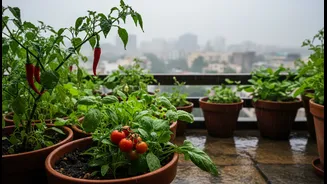
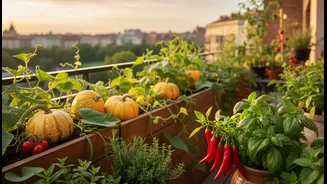
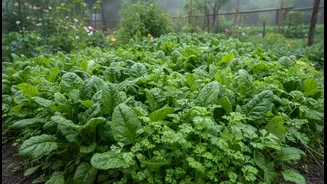
Ultimately, a successful monsoon micro-garden hinges on making smart choices from the beginning. Don't try to grow plants that are ill-suited to the season. Focus on species known to thrive in rainy, humid weather. This includes vegetables like chillies and okra, and herbs like mint and coriander. Many decorative plants like monstera, areca palm, and various creepers also love the monsoon. For renters, it’s often best to start small with just a few carefully chosen, resilient plants. It’s also important to remember that covered balconies have their own rules; plants there won't get any rain and will still need manual watering, but will benefit from the high ambient humidity. By understanding these limitations, you can work with the season, not against it.