








From Crowded Hubs to Quiet Coves
For years, the quintessential Indian beach holiday meant heading to popular, commercialised destinations. Think of the buzzing shacks of North Goa or other well-trodden coastal towns. While these places still draw crowds, a significant shift is underway.
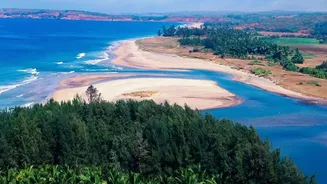
Younger travellers, particularly Gen Z and millennials, are actively seeking out quieter, lesser-known beaches. The new aspiration isn't about being seen at the most popular spot, but about finding a patch of pristine sand where the only soundtrack is the sound of the waves. This trend is reflected in online searches, where terms like 'quiet beaches' are gaining precedence over 'best beaches', indicating a change in what travellers value most. Places like Agonda in South Goa, Marari Beach in Kerala, and the secluded shores of Karnataka are gaining favour for offering an escape from the tourist trail.
The Search for Authenticity and Digital Detox
What's driving this move towards seclusion? One major factor is the backlash against a hyper-connected, social media-driven world. While platforms like Instagram can popularise a destination overnight, they can also create a sense of fatigue. Many young travellers now crave authentic experiences over 'Instagrammable' photo opportunities that feel staged. They want to connect with the local culture and environment on a deeper level. An unspoiled beach offers the perfect setting for a 'digital detox', a conscious break from screens and notifications. Research shows that a significant majority of young people feel the need to step away from their phones, and a vacation centred on nature provides that opportunity. It’s a move from a performative holiday to a restorative one.
Sustainability as a Core Value
The preference for untouched natural escapes is deeply intertwined with a rising environmental consciousness. Gen Z, in particular, plans their travel with sustainability as a central concern. They are more aware of the negative impacts of overtourism, such as pollution, strain on local resources, and ecological damage. Choosing an unspoiled beach is often a deliberate act of seeking low-impact tourism. Studies show that a high percentage of young Indian travellers are willing to pay more for sustainable options. This generation actively rejects 'greenwashing' and prefers destinations and operators that are transparent about their environmental commitments. This mindset aligns perfectly with the ethos of natural beaches, which are often protected and less commercialised.
What Defines an 'Unspoiled' Escape?
An 'unspoiled' beach is about more than just a lack of crowds. For today's youth, it means clean sands, clear waters, and a landscape free from overwhelming concrete construction. It’s about finding a place where nature, not commerce, is the main attraction. Destinations like Gokarna in Karnataka, with its string of clean beaches like Om and Kudle, or Butterfly Beach in Goa, which is accessible only by boat or a forest trek, exemplify this ideal. These places offer a sense of discovery and adventure. The appeal lies in their simplicity: basic shacks or eco-friendly homestays instead of large resorts, and a chance to interact with the local fishing community rather than just other tourists. The focus is on preserving the natural charm and fostering a genuine connection to the place.
The Future of Coastal Tourism
This growing preference for natural escapes is reshaping the travel industry in India. It is creating opportunities for eco-friendly tourism models, such as community-run guesthouses and sustainable retreats that prioritize conservation. The government has also recognised this shift, with strategies aimed at promoting sustainable and responsible tourism. However, this trend also carries a risk. The very thing that makes these beaches special—their pristine, 'undiscovered' nature—is fragile. As these hidden gems gain popularity through social media, they face the threat of becoming victims of their own success. The challenge for the future will be to manage this growing interest responsibly, ensuring that these beautiful coastlines are preserved for generations to come, preventing the quiet escapes from turning into the crowded hubs their visitors are trying to flee.