




The Perfect Blank Canvas
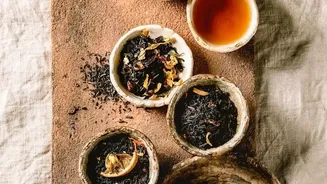
Unlike the bold, malty punch of Assam or the delicate, floral complexity of Darjeeling, Nilgiri tea offers a wonderfully balanced profile. It’s known for being aromatic, smooth, and medium-bodied with a natural, subtle sweetness. Crucially, it has very
low levels of tannins, the compounds responsible for the bitter or astringent taste that can sometimes develop in black teas. This low astringency means Nilgiri tea doesn't overpower other ingredients. For an artisan creating a fruit-infused cold brew, this is the ultimate prize. They need a tea that acts as a beautiful, high-quality base but allows the delicate notes of peach, citrus, or berries to shine through without competition. The tea complements the fruit, rather than clashing with it.
Built for the Cold
Cold brewing is a slow, patient process where tea leaves are steeped in cold water for hours. This gentle extraction method is where Nilgiri leaves truly excel. Hot water brewing can sometimes release bitterness, but the cold, slow steep draws out Nilgiri’s inherent sweetness and fragrant notes while leaving any potential harshness behind. The result is an exceptionally smooth, clean-tasting brew. Furthermore, Nilgiri tea possesses a unique chemical property that makes it ideal for iced beverages: it doesn’t cloud up when chilled. While other black teas can become murky or hazy when cooled, Nilgiri tea retains a beautiful, crystal-clear clarity, which is visually essential for a drink filled with vibrant, colourful fruits.
A Profile of Versatility
Grown in the high-altitude Western Ghats, Nilgiri tea is harvested year-round, benefiting from two monsoon seasons, much like teas from neighbouring Sri Lanka. This unique growing condition contributes to its consistent, well-rounded flavour profile, often described as having citrus, floral, and subtly spicy notes. This inherent complexity makes it a blender’s dream. Artisanal crafters can pull on these different notes to pair with specific fruits. The tea's natural citrus undertones might be matched with orange or lemon, while its floral hints could be used to elevate an infusion with hibiscus or rose. This versatility gives creators a broad palette to work with, allowing for endless creativity and nuanced flavour combinations that simply wouldn't be possible with a more dominant tea.
The Shift Towards Subtlety
The rise of Nilgiri in cold brews also reflects a broader shift in Indian consumer preferences. As the café culture evolves, people are moving away from overly sweet, artificial-tasting iced teas. There's a growing demand for more authentic, natural, and health-conscious beverages that prioritise genuine flavour over added sugar. Artisanal cold brews made with real Nilgiri leaves fit this niche perfectly. The tea's natural sweetness and smooth finish mean that little to no extra sugar is needed, allowing the quality of the tea and fresh fruits to speak for themselves. It represents a move toward a more sophisticated, craft-driven approach to cold beverages, where the origin and character of the ingredients are celebrated.