






The First Glimpse: A Dot in the Darkness
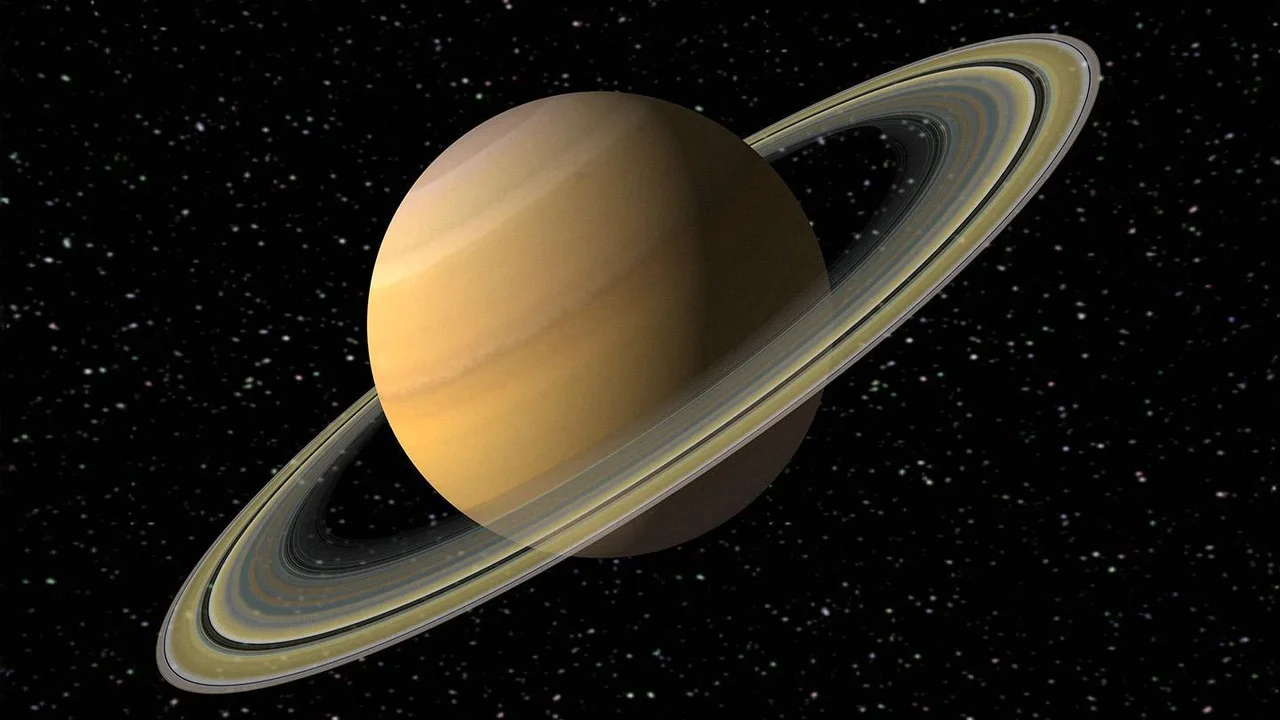
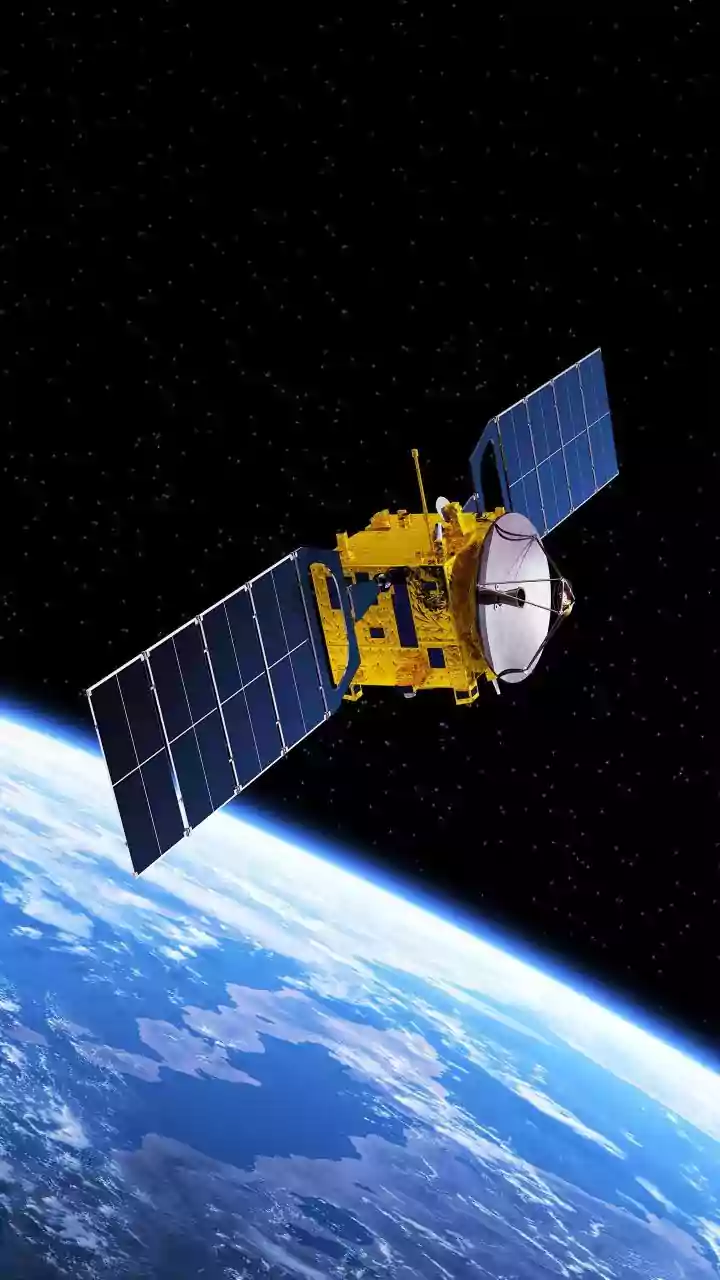
The journey to finding a new moon begins with a single, faint point of light. Using powerful ground-based telescopes, like the Subaru Telescope in Hawaii, or space-based observatories, astronomers scan the area around a planet. They take a series of images
over several hours. Then comes the clever part: they digitally stack these images, aligning them based on the predicted movement of a potential moon. If an object is truly orbiting Saturn, this technique makes its faint light stand out against the background noise of distant stars. This initial observation is the thrilling 'discovery' moment, but it's just the first step on a long road. It could be a new moon, or it could be a passing asteroid or a known object that hasn't been seen for a while.
The Waiting Game: Proving the Orbit
Seeing a dot move is one thing; proving it's gravitationally bound to Saturn is another. This is where patience becomes a scientific virtue. Astronomers must re-observe the object, often over weeks, months, or even years, to plot its trajectory. They need enough data points to calculate a preliminary orbit. This process confirms that the object isn't just an asteroid passing through the Saturnian system but is actually a satellite trapped by the planet's immense gravity. Once enough observations are gathered, the findings are sent to the Minor Planet Center (MPC), the global clearinghouse for such discoveries. If the data is sufficient, the MPC announces the discovery and assigns a provisional designation.
Making It Official: A Provisional Name
A provisional designation is like a temporary scientific nickname. It follows a specific format: 'S' for satellite, the year of discovery, another 'S' for Saturn, and a number indicating the order of discovery in that year. For example, a moon found in 2020 might be designated S/2020 S 1. This formal step, overseen by the International Astronomical Union (IAU), officially puts the object on the astronomical map. It signifies that the scientific community has enough evidence to confirm a new body has been found and its orbit is at least partially understood. However, it is still considered 'provisional' because the orbit needs to be refined over a much longer period to be considered definitively known.
From Number to Name: The Final Confirmation
Years can pass between a moon receiving a provisional designation and getting a permanent name. During this time, astronomers continue to track the moon, refining its orbital path with ever-increasing precision. Once the orbit is known with certainty, the moon is given a permanent number. Only then can the naming process begin. The discoverers have the privilege of proposing a name to the IAU's Working Group for Planetary System Nomenclature. For Saturn, there are specific themes. Its regular moons are traditionally named after Titans from Greco-Roman mythology. For the more recently discovered 'irregular' moons, which fall into distinct orbital groups, names are chosen from Gallic, Inuit, and Norse mythology. This final step, from a numbered object to a named world like Pan or Phoebe, completes the long journey from discovery to confirmation.