






From Anomaly to Ambience
There was a time when dining alone in Delhi or Gurgaon felt like a social test. Patrons would navigate curious glances, sometimes feeling like they were occupying space meant for a larger, more profitable group. But that hesitation is fading. A quiet
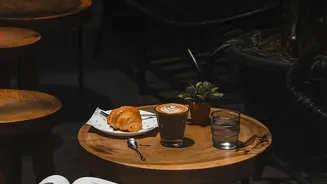
revolution is underway, transforming solo dining from a perceived social failure into a celebrated act of self-reliance and personal time. What began in the corporate-heavy neighbourhoods of Gurgaon and Noida, normalised by a migrant professional class, is now spreading across the capital. Cafes like Perch, The Grammar Room, and Diggin are now popular haunts for individuals seeking a moment of peace with a good coffee or meal, their design and atmosphere making it feel perfectly natural to be alone in a crowd.
Restaurants Are Redesigning for One
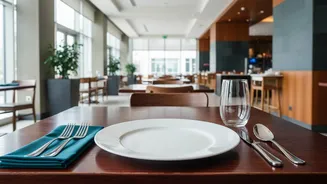
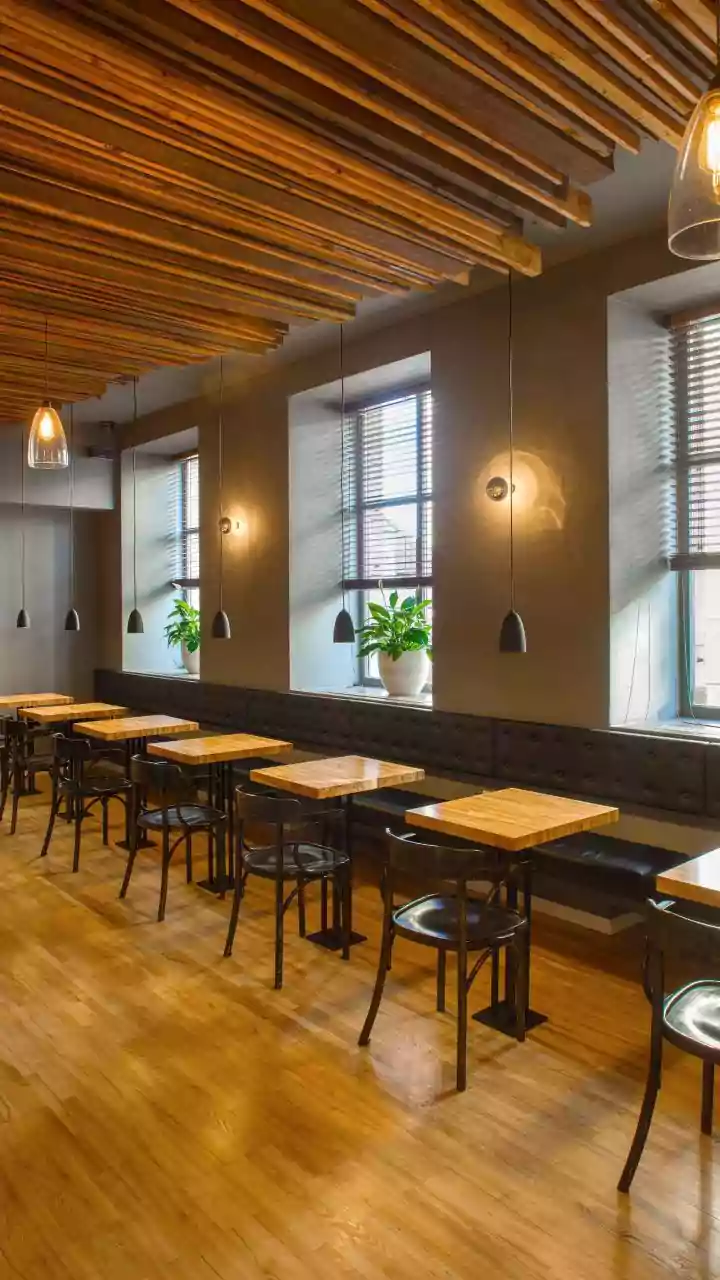
The hospitality industry, once geared almost exclusively towards groups and families, is taking notice and adapting. This shift is no longer an afterthought but a core part of planning. Restaurants are consciously creating spaces that are welcoming to individuals, incorporating counter seating with kitchen views, cosy nooks, communal tables, and single-person-friendly layouts that don't isolate the diner. The changes extend to the menu as well. Establishments like Comorin and Zuki are introducing smaller, tasting-style portions, half-plates, and flexible add-ons, allowing a single person to sample multiple dishes without over-ordering. Service is also being recalibrated, with staff trained to be attentive yet non-intrusive, understanding whether a solo guest wants conversation or quiet contemplation.
The New Urban Individual
So, what's driving this change? It’s a reflection of deeper demographic and cultural shifts. Urban India is witnessing a rise in one-person households, driven by young professionals migrating for work, delayed marriages, and a growing acceptance of living alone. This creates a significant consumer segment with disposable income and a desire for experiences tailored to their lifestyle. For many, dining out is no longer reserved for special occasions but has become a form of routine self-care. In a hyper-connected world, choosing to spend time alone is a conscious act of unplugging and recharging. The former stigma is being replaced by a sense of empowerment, where taking yourself out to dinner is seen as a sign of confidence and independence.
An Economic and Social Shift
The rise of the solo diner is more than just a cultural observation; it carries economic weight. Data suggests that solo diners in India can spend significantly more per person than those in groups, often viewing the meal as a personal treat. This makes them a valuable and loyal customer base, especially during off-peak hours when they might use a cafe as a remote office. This trend challenges the traditional Indian collectivist culture, where community and family have always been central. However, it doesn't necessarily signal a rise in loneliness. Instead, it points to a redefinition of community and social connection. It suggests an urban population that is comfortable with both social engagement and intentional solitude, capable of finding peace and enjoyment in their own company.