








The State of Your Grocery Bill
Recent months have seen a noticeable surge in the prices of essential food items, turning routine grocery runs into a source of financial strain. Food inflation has been a persistent issue, with the Consumer Food Price Index (CFPI) showing a significant
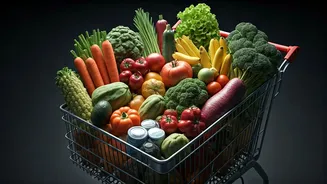
year-on-year increase. In May 2026, the cost of food rose by 4.78% compared to the previous year. Key kitchen staples like vegetables, pulses, and edible oils are leading this price rally. Vegetables have been particularly volatile, with items like tomatoes and leafy greens seeing sharp, sudden spikes. This trend is putting direct pressure on household budgets, especially for lower and middle-income families, for whom food constitutes a larger portion of monthly expenditure.
Why Are Prices Climbing?
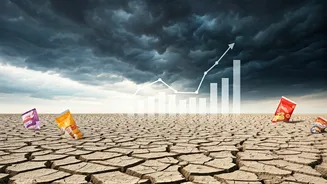
Several factors are contributing to the current inflationary environment. Unpredictable weather patterns, including severe heatwaves and erratic monsoon rains, have disrupted agricultural cycles and reduced crop yields in key producing regions. This supply tightness directly translates to higher prices at the mandi and, eventually, in your shopping cart. Beyond the farm, rising transportation and fuel costs add another layer to the final retail price, increasing the expense of getting produce from rural hubs to urban markets. These logistical challenges, combined with steady consumer demand, create a perfect storm for the price hikes families are currently experiencing across the country.
Become a Smarter Shopper
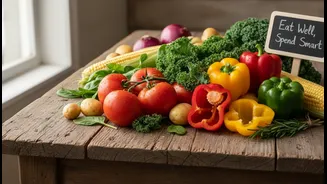
While you cannot control market prices, you can adopt smarter shopping habits to mitigate their impact. One of the most effective strategies is to plan your meals for the week. This allows you to create a precise shopping list and stick to it, drastically reducing impulse buys that inflate your bill. Consider where you shop; local vegetable markets or mandis often offer fresher produce at lower prices compared to supermarkets. Buying seasonal fruits and vegetables is another proven tactic, as they are more abundant and therefore cheaper. For non-perishable staples like rice, dal, and flour, buying in bulk can often lead to significant long-term savings, but only for items you use regularly to avoid waste.
Make Your Kitchen More Efficient
Controlling costs doesn't end at the store. How you manage your kitchen can also make a big difference. Before you shop, take a quick inventory of your pantry and fridge to avoid buying things you already have. This simple step can prevent food waste and save money. Get creative with leftovers to stretch your ingredients further and reduce the need for extra meals. Cooking in bulk—preparing larger batches of food and freezing portions for later—can save both time and money. Adopting a 'first-in, first-out' system for your perishables ensures that older items get used before they spoil, cutting down on the estimated 40-50 kg of food an average Indian household wastes per person annually.
Leverage Technology and Deals
In the digital age, your smartphone can be a powerful tool for saving money. A variety of apps can help you compare prices across different online and offline retailers, ensuring you get the best deal available. Many grocery stores and online platforms also offer loyalty programs, coupons, and cashback deals that can provide substantial savings over time. Some reports indicate that a significant number of consumers are already actively chasing offers across different stores to manage their budgets. By keeping an eye out for these promotions and using budgeting apps to track your spending, you can gain better control over your grocery expenses and identify more opportunities to save.